БЕЗКОШТОВНА КОНСУЛЬТАЦІЯ З МИСТЕЦТВА

x
Замовити друк Замовити друкЗамовити репродукцію Замовити репродукцію НадіслатиНадіслати
ДеталіДеталі Додати до улюблених Додати до улюблених ЗавантажитиЗавантажити Схожі виробиСхожі вироби Рентгенівське дослідженняРентгенівське дослідження Слайд-шоуСлайд-шоу

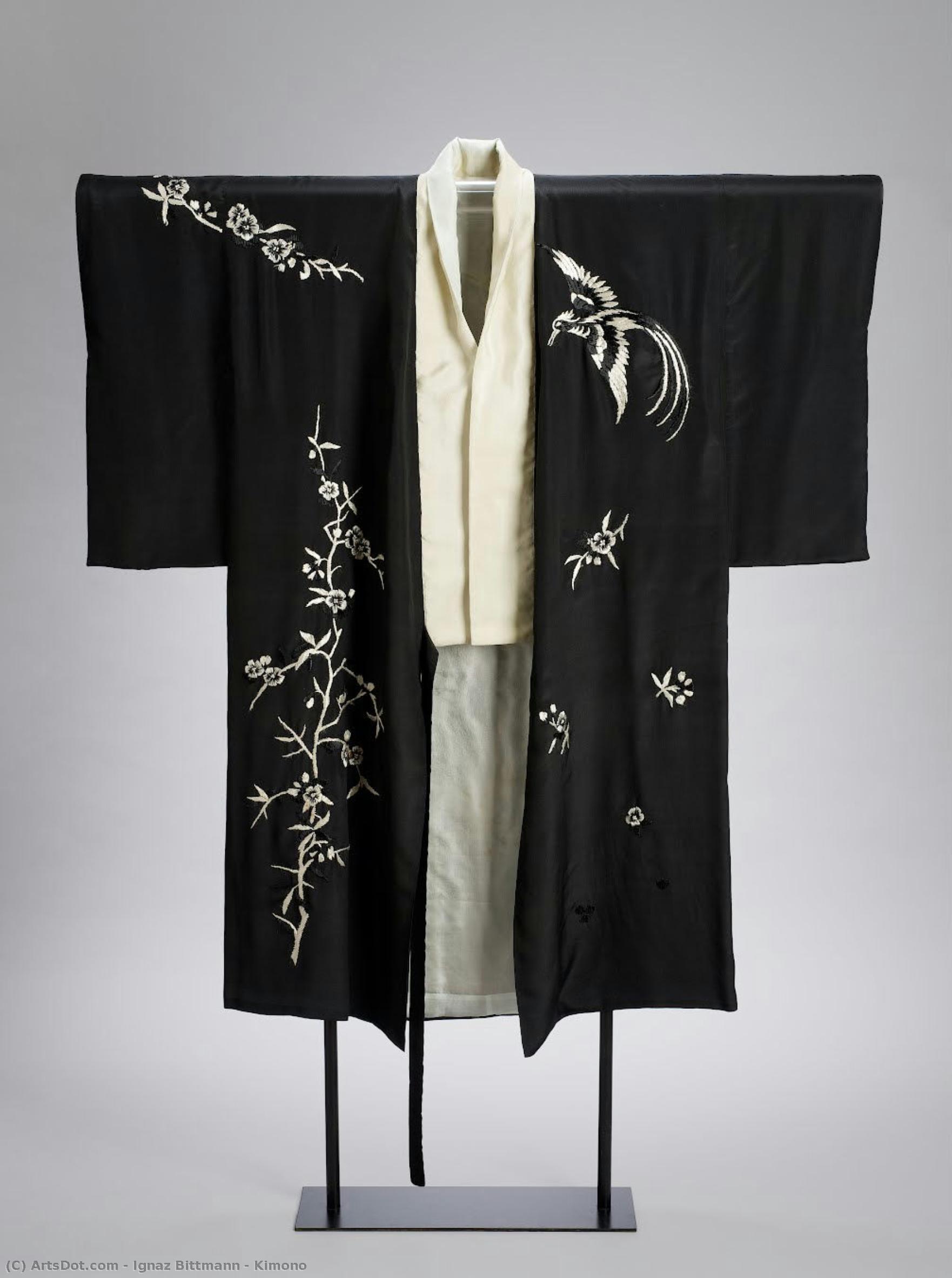
Kimono

Discover Ignaz Bittmann's exquisite kimonos & Austrian textile designs! Explore his innovative approach to fashion during the Austro-Hungarian Empire – a unique artistic legacy.

Придбайте цифрову копію високої роздільної здатності з покращеною якістю, що значно перевершує онлайн-перегляд.

Кожен файл ретельно підготовлений нашими фахівцями за допомогою сучасних інструментів та професійної ручної ретуші. Ми гарантуємо виняткову чіткість, точну передачу кольору та високу деталізацію кожного зображення.

Фінальний файл надсилається електронною поштою протягом 72 годин і оптимізований для негайного використання у професійних виданнях та друкованих матеріалах. Таку якість обирають провідні дизайнерські студії, видавництва та галереї.

Цифрове зображення

Завантажте файл високої роздільної здатності для особистого перегляду, друку та творчих проєктів.

Підсумкова ціна

$9.99

Включено в кожне замовлення цифрових зображень

Експертна цифрова доставка, гарантовано

Обираючи WahooArt.com, ви отримуєте не просто зображення — ви отримуєте професійно вдосконалений цифровий витвір мистецтва, створений з надзвичайною точністю та підкріплений гарантією задоволення. Ось усе, що автоматично додається до вашого замовлення:

shipping_icon
Швидка доставка на email

Ваш цифровий файл із зображенням високої роздільної здатності буде надісланий вам електронною поштою протягом 72 годин після оформлення замовлення — він буде готовий до негайного використання.

canvas_icon
Цифровий файл із покращенням ШІ

Ваш витвір мистецтва професійно оптимізовано за допомогою передових інструментів штучного інтелекту та ручної корекції, що забезпечує максимальну деталізацію, чіткість і точність передачі кольорів.

insurance_icon
Безкоштовне повторне надання послуг протягом усього життя

Випадково видалили або втратили файл? Не хвилюйтеся — ми надішлемо його вам повторно в будь-який час безкоштовно.

tax_icon
Без митних зборів — завжди

Насолоджуйтесь вашим витвором мистецтва миттєво без жодних мит, зборів або плати за доставку — цифрові завантаження завжди не оподатковуються.

color_icon
Гарантія точності кольорів

Ми гарантуємо, що ваше цифрове зображення максимально точно відтворює оригінальні кольори завдяки використанню професійних інструментів та систем управління кольором.

return_icon
Гарантія задоволення протягом 60 днів

Якщо ви не задоволені придбаним цифровим зображенням, ми відкоригуємо його або повернемо 100% вартості протягом 60 днів — без жодних запитань.

guarantee_icon
Гарантія повернення 100% коштів

Не задоволені покупкою? Отримайте повне повернення коштів протягом 60 днів після отримання цифрового файлу — без жодних запитань.

discount_icon
Знижки на оптові замовлення

Купуйте 3 зображення — заощаджуйте 10% — Купуйте 5 — заощаджуйте 15% — Купуйте 10+ — заощаджуйте 20%. Чудово підходить для творчих проєктів, галерей та агентств.

Опис колекційного об'єкта

Made of black silk with a light blue lining, and embroidered with Japanese motifs in black and white silk thread, this kimono was once in the wardrobe of Countess Klára Hadik-Barkóczy, née Zichy (1875–1946). It has the label of Ignaz Bittmann (1851–1913) sewn into the lining; the Viennese textile manufacturer was one of the largest producers of children’s clothing in Austria-Hungary, a manufacturer of lingerie, and a purveyor to the court.The colourful silks and kimonos displayed in the Japanese pavilion of the 1900 Exposition Universelle of Paris made a strong impression on the fashion scene of Paris and, subsequently, of Europe. Several companies exported original Japanese kimonos, photos and drawings of them appeared in fashion magazines, and this Japanese garment became popular in Europe.

Схожі витвори мистецтва


Біографія митця

Ignaz Bittmann – A Pioneer of Austrian Textile Art

Ignaz Bittmann (1851-1913) stands as a singular figure in the annals of Austro-Hungarian art and design, recognized primarily for his transformative role in elevating Austrian textile production to international prominence. Born in Vienna, Austria, he emerged from humble beginnings—a modest draper’s shop—to become a visionary entrepreneur who fundamentally reshaped the aesthetic landscape of his era. His legacy extends far beyond mere commerce; Bittmann championed innovation and artistic excellence, establishing himself as a pivotal catalyst for cultural advancement.
  • Early Life & Education: Bittmann pursued his formal education diligently at Benedictine Grammar School in Merano, honing his intellectual prowess before embarking on studies at the University of Vienna’s Faculty of Medicine. While initially focused on medicine, his artistic inclinations quickly surfaced, foreshadowing a lifelong fascination with design and craftsmanship.
  • The Birth of Bittmann Textilfabrik: Recognizing the burgeoning demand for fashionable fabrics—particularly jersey—Bittmann established Bittmann Textilfabrik in 1879. This venture wasn’t simply about profit; it was driven by a genuine desire to elevate Austrian textile manufacturing standards and introduce cutting-edge techniques into Viennese ateliers.
  • Revolutionizing Textile Production: Bittmann's brilliance lay in his understanding of the zeitgeist—the spirit of the age—and his ability to translate this awareness into tangible artistic breakthroughs. He spearheaded the adoption of mechanized weaving looms, dramatically increasing output and fostering a collaborative environment between artisans and engineers. This pioneering approach fundamentally altered Viennese textile production, establishing it as a benchmark for Europe.
  • The Jersey Fabric & Its Impact: The introduction of jersey fabric—a revolutionary knitwear material—marked a watershed moment in fashion history. Bittmann’s astute observation of Parisian trends propelled this innovative textile into widespread acceptance, transforming menswear and subsequently influencing women's attire. His foresight cemented his reputation as an artistic innovator who anticipated future stylistic developments.
  • Legacy & Recognition: Bittmann’s influence resonated throughout the Austro-Hungarian Empire and beyond. He fostered a vibrant artistic community in Vienna, nurturing talent and championing experimentation—a testament to his unwavering belief in the transformative power of creativity. Today, Ignaz Bittmann is remembered not merely as a textile manufacturer but as an artist who irrevocably shaped Viennese culture and elevated Austrian design to unparalleled heights.

Exploring Bittmann’s Artistic Vision

Bittmann's artistic sensibilities extended beyond the realm of textiles; he possessed a profound appreciation for landscape painting, particularly Alpine vistas—a passion that would inform his stylistic choices throughout his career. His canvases captured the grandeur and serenity of the Austrian Alps with remarkable precision and sensitivity, reflecting an aesthetic rooted in Romantic ideals. He skillfully blended meticulous observation with expressive brushwork, conveying both topographical accuracy and emotional depth.
  • Alpine Landscapes: Bittmann’s landscapes exemplify a commitment to capturing the sublime—the awe-inspiring beauty of nature—with unwavering fidelity. His compositions prioritize atmospheric perspective and tonal gradation, creating immersive vistas that evoke feelings of tranquility and grandeur.
  • Still Lifes: Similarly, Bittmann's still lifes showcased his mastery of form and color, presenting meticulously arranged objects with understated elegance. He employed subtle shading techniques to sculpt the contours of his subjects, emphasizing texture and materiality.
  • Influence & Style: Bittmann’s artistic style drew inspiration from Academic Classicism—a dominant aesthetic movement during his time—characterized by idealized forms and harmonious compositions. However, he infused this tradition with a distinctly personal vision, resulting in artworks that are both technically proficient and emotionally resonant.

Notable Works

Bittmann produced several notable paintings that exemplify his artistic prowess and capture the spirit of the Austro-Hungarian era. Among these masterpieces are:
  • “The Alpine Lake” (circa 1890): This panoramic landscape portrays a crystalline alpine lake nestled amidst towering peaks, bathed in soft sunlight—a quintessential depiction of Austrian Alpine scenery.
  • “Fruit Basket” (circa 1895): Bittmann’s still life presents an assortment of luscious fruits arranged on a rustic wooden table—a testament to his meticulous attention to detail and masterful use of color.
  • “Portrait of Franziska Preisler” (circa 1897): This portrait captures the serene beauty of Franziska Preisler, Bittmann’s wife, conveying her grace and dignity with understated elegance.

Historical Context & Significance

Ignaz Bittmann's artistic career unfolded against the backdrop of a transformative period in European history—the Austro-Hungarian Empire—characterized by rapid industrialization, social upheaval, and burgeoning artistic experimentation. His embrace of Academic Classicism reflected the prevailing cultural sensibilities of his time, yet he simultaneously championed innovation and pursued stylistic refinements that distinguished him from his contemporaries. Bittmann's legacy endures as a symbol of Austrian artistic tradition and a testament to the enduring power of beauty and craftsmanship. He remains an important figure in the history of textile art and fashion design, whose contributions continue to inspire artists and designers today.
ignaz bittmann

ignaz bittmann

1851 - 1913 , Austria

Короткі факти

  • Artistic Movement Or Style: Textile Art
  • Date Of Birth: February 23, 1851
  • Full Name: Ignaz Bittmann
  • Nationality: Austrian
  • Notable Artworks: ['Kimono']
  • Place Of Birth: Vienna, Austria