


Отримайте файл, готовий до друку, якість якого значно перевищує якість веб-попереднього перегляду. Кожне цифрове зображення, яке ми продаємо, створене на основі високої роздільної здатності з нашої бази даних — зазвичай від 5 000 до 15 000 пікселів по ширині — тому ви можете впевнено друкувати у великому форматі, робити щільну обрізку або відтворювати найдрібніші деталі.
Жоден файл не залишається в нашій студії без уваги. Експерт із цифрової обробки звіряє кольори з оригінальною картиною та за потреби коригує їх, після чого покращує чіткість і деталізацію за допомогою професійних інструментів ретушування — завжди зберігаючи вірність мазкам пензля та стилю художника. Результатом є зображення, яке виглядає як справжня картина, а не як відскановане фото з накладеними фільтрами.
Ви затверджуєте результат перед завершенням замовлення: протягом 72 годин наш експерт надішле зображення електронною поштою для вашого перегляду. Не задоволені результатом? Ви можете попросити про внесення змін чи виправлень або отримати відшкодування, якщо якість не відповідає вашим очікуванням.
Саме на таку якість покладаються видавництва, дизайн-студії, галереї та друкарні.
Завантажте файл високої роздільної здатності для особистого використання, друку та творчих проєктів. ( Перейти до друку Замовити картину ручної роботи)
Обираючи WahooArt.com, ви отримуєте не просто зображення — ви отримуєте професійно вдосконалений цифровий витвір мистецтва, створений з надзвичайною точністю та підкріплений гарантією задоволення. Ось усе, що автоматично додається до вашого замовлення:
Ваш цифровий файл із зображенням високої роздільної здатності буде надісланий вам електронною поштою протягом 72 годин після оформлення замовлення — він буде готовий до негайного використання.
Ваш витвір мистецтва професійно оптимізовано за допомогою передових інструментів штучного інтелекту та ручної корекції, що забезпечує максимальну деталізацію, чіткість і точність передачі кольорів.
Випадково видалили або втратили файл? Не хвилюйтеся — ми надішлемо його вам повторно в будь-який час безкоштовно.
Насолоджуйтесь вашим витвором мистецтва миттєво без жодних мит, зборів або плати за доставку — цифрові завантаження завжди не оподатковуються.
Ми гарантуємо максимально точне відтворення оригінальних кольорів на вашому цифровому зображенні завдяки використанню професійних інструментів та систем управління кольором.
Якщо ви не задоволені придбаним цифровим зображенням, ми внесемо правки або повернемо 100% вартості протягом 100 днів — без зайвих запитань.
Незадоволені покупкою? Отримайте повне повернення коштів протягом 100 днів після отримання цифрового файлу — без зайвих запитань.
Купуйте 3 зображення — заощаджуйте 10% — Купуйте 5 — заощаджуйте 15% — Купуйте 10+ — заощаджуйте 20%. Чудово підходить для творчих проєктів, галерей та агентств.
Hubert Robert's "The Footbridge," painted in 1775, isn’t merely a landscape; it’s a carefully constructed dreamscape—a poignant meditation on the passage of time, the allure of ruins, and the delicate balance between nature and human intervention. This captivating oval canvas, now housed within the Thyssen-Bornemisza Museum in Madrid, transports the viewer to a serene yet subtly melancholic world where ancient structures intertwine with the vibrant energy of a bustling scene. Robert, a master of “capriccio,” expertly blends observation with imagination, creating an atmosphere thick with romanticism and a profound sense of nostalgia.
The painting unfolds across a gently sloping hillside, dominated by the skeletal remains of a Roman bridge—a deliberate echo of the grandeur that once was. This isn’t a literal depiction of decay; rather, Robert transforms the ruins into symbols of enduring beauty and timelessness. The weathered stones, draped with ivy and moss, possess an almost ethereal quality, suggesting they are not merely crumbling remnants but portals to another era. The artist's skillful use of light and shadow further enhances this effect, bathing the scene in a soft, diffused glow that evokes the golden hour—a time when reality seems to soften and dreams take flight.
Robert’s fascination with ruins stemmed from his extended sojourn in Rome during the 1760s. Immersed in the city's ancient history, he meticulously sketched and studied the remnants of its imperial past—the Colosseum, the Forum, and countless other crumbling monuments. These observations profoundly shaped his artistic vision, leading him to develop a unique style characterized by an almost obsessive attention to detail and a masterful ability to evoke atmosphere. His technique is distinctly informed by Giovanni Battista Piranesi and Giovanni Paolo Panini, both Roman artists known for their depictions of architecture and ruins. Robert absorbed their techniques—particularly the use of perspective and light—and integrated them into his own distinctive style.
The painting’s composition is meticulously balanced, drawing the eye through a series of carefully orchestrated elements. The figures in the foreground – a man sketching with a small easel and a dog near a bench – are rendered with a delicate realism that contrasts subtly with the idealized beauty of the ruins. Robert employs a loose, expressive brushstroke—a hallmark of his style—to capture the textures of stone, foliage, and water. The color palette is restrained yet evocative, dominated by muted greens, blues, and browns, punctuated by flashes of vibrant color in the flowers and foliage. This careful orchestration creates a sense of harmony and tranquility, inviting the viewer to lose themselves in the scene’s timeless beauty.
Beyond its aesthetic appeal, “The Footbridge” is rich in symbolic meaning. The bridge itself represents connection—a link between past and present, reality and imagination. It also symbolizes transition and impermanence, mirroring the fleeting nature of human life and the inevitable decay of all things. The ruins, far from being symbols of despair, embody a sense of resilience and enduring beauty. They remind us that even in destruction, there is still grace and wonder to be found.
Robert’s painting taps into deep-seated emotions—a longing for the past, a fascination with the sublime, and a recognition of the transience of earthly existence. It evokes a sense of melancholy and nostalgia, yet also offers a glimmer of hope through its celebration of beauty and imagination. The scene invites contemplation on themes of memory, loss, and the enduring power of art to transcend time.
Hubert Robert’s “The Footbridge” stands as a quintessential example of 18th-century Romanticism—a movement that emphasized emotion, imagination, and the beauty of nature. His work profoundly influenced subsequent generations of artists, including Caspar David Friedrich and J.M.W. Turner, who continued to explore themes of ruins, landscapes, and the relationship between humanity and the natural world. Today, “The Footbridge” remains a beloved masterpiece—a testament to Robert’s artistic genius and his ability to capture the essence of beauty in a fleeting moment.
«The Footbridge» має відтінок, що схиляється до Ochre to Sepia.
Для роботи «The Footbridge» роботи Гюберт Роберт рекомендується репродукція розміром Medium. Розмір можна змінювати, зберігаючи пропорції.
Автором твору "The Footbridge" є Гюберт Роберт, що належить до течії Romanticism.

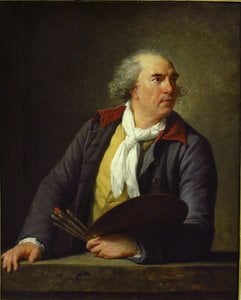
1733 - 1808 , Франція
 Переглянути в інтер'єрі
 Надіслати як листівку
 Поділитися
 Деталі витвору
 Посібник

 Завантажити
 Схожі екземпляри
 Рентгенівське дослідження
 Слайд-шоу
 Q&A
Q&A Статистика


 Розгорнути текст


