x
Переглянути в інтер'єріПереглянути в інтер'єрі Перегляд в ARПерегляд в AR Замовити принт Замовити принтКупити цифрове зображення Купити цифрове зображення Надіслати як листівкуНадіслати як листівку
ДетальнішеДетальніше Додати до улюблених Додати до улюблених ЗавантажитиЗавантажити Схожі експонатиСхожі експонати Рентгенівське дослідженняРентгенівське дослідження Слайд-шоуСлайд-шоу

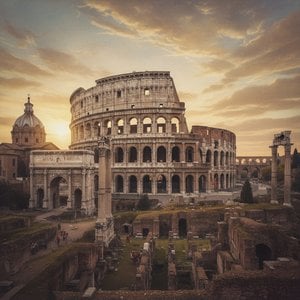
RUINES ROMAINES AVEC LE COLISEE

Hubert Robert's 'Ruines Romaines avec le Colisée' captures the beauty of Roman ruins reclaimed by nature, showcasing a romantic vision of decay and grandeur. Explore this masterpiece of French landscape painting.

Гюберт Роберт (1733-1808): французький художник, відомий своїми епічними пейзажами та фантастичними картинами руїн. Його мистецтво – поєднання історії, розбрату та уяви!

Олійная репродукція ручної роботи

Написана вручну олією на полотні у вашому розмірі та рамі, виготовлена на замовлення нашими художниками. (Замовити принт Замовити принтКупити цифрове зображення Купити цифрове зображення)

P118B $10
P118H $10
P118W $10
P438Z $10
P508JH $12
P508YH $12
P805H $10
P805Z $10
P919BZ $10
P919G $10
P919XJ $10
P959ZH $10
P968JZ $12
W106C $8
W218G $10
W218JH $8
W218Y $10
W307PJ $10
W316G $10
W316PJ $8
W316Y $10
W398PJ $8
W4111J $10
W500HY $15
W500JH $15
W692G $12
W849H $8
W940BG $15
W953PJ $8

Стандартний розмір
індивідуальний
CM
INCH

Обирайте з наших стандартних розмірів, що відповідають оригінальним пропорціям твору мистецтва.

ширина
висота

Ви можете вказати власні розміри, щоб репродукція ідеально підійшла до конкретної рами або інтер'єру. Якщо вибраний вами розмір не відповідає пропорціям оригіналу, ми або обріжемо полотно, або доповнимо картину додатковими елементами, промальованими вручну. Цифровий макет буде надіслано вам на затвердження перед початком виробництва.
Зверніть увагу, що попередній перегляд на екрані не відображає фактичне обрізання або розширення зображення. Тільки макет точно покаже остаточну композицію.
Хоча ми можемо виготовити виріб у нестандартному розмірі, для збереження оригінальних пропорцій рекомендуємо обирати варіанти зі встановленого списку.

Приклади можливих змін: замінити обличчя на фото клієнта; додати домашню тварину (наприклад, замінити кота на собаку); додати приховане повідомлення на фоні; змінити ландшафт або елементи фону.
Після оформлення замовлення команда WahooArt.com зв'яжеться з клієнтом електронною поштою для отримання інструкцій та надасть попередній макет

Доставка по всьому світу () за 3–4 тижні замість стандартних 5 тижнів. (27 Серпень). Без жодних компромісів у якості.

why_choose_icon
Безкоштовна експрес-доставка по всьому світу
why_choose_icon
Високоякісне лляне полотно
why_choose_icon
Повне страхове покриття доставки
why_choose_icon
Гарантія відшкодування митних зборів
why_choose_icon
Гарантія точного відтворення кольорів
why_choose_icon
Політика повернення протягом 60 днів (лише у разі виявлення дефектів)
why_choose_icon
Гарантія повернення 100% коштів
why_choose_icon
Пропозиція на оптові замовлення

Загальна вартість

$ 372

reproduction

RUINES ROMAINES AVEC LE COLISEE

Матеріал репродукції

Розмір репродукції

-

Підсумкова вартість

$ 372

Основна інформація

  • Movement: Romanticism/Neoclassicism
  • Subject or theme: Roman ruins, antiquity
  • Notable elements: Colosseum, ruins, figures
  • Artistic style: Capriccio, atmospheric
  • Influences:
    • Piranesi
    • Panini
  • Artist: Hubert Robert

Квіз про мистецтво

У кожному запитанні лише одна правильна відповідь.

Запитання 1:
What is the primary subject matter of this artwork?
Запитання 2:
The artwork primarily reflects which artistic movement?
Запитання 3:
What is the dominant color palette used in this painting?
Запитання 4:
The use of atmospheric perspective in the artwork primarily serves to:
Запитання 5:
Hubert Robert's fascination with ruins is most closely associated with:

Опис твору

A Glimpse of Lost Grandeur: Hubert Robert’s “RUINES ROMAINES AVEC LE COLISEE”

Hubert Robert's "Ruines Romaines avec le Colisée" isn’t merely a depiction of crumbling stone; it’s an invitation to step back in time, a poignant meditation on the relentless march of history and the enduring allure of vanished civilizations. Painted around 1788, this captivating artwork transports us to a world where the echoes of Roman power resonate through the fragmented remains of its once-magnificent structures. Robert, a master of the "capriccio," skillfully blends meticulous observation with imaginative flourishes, creating an atmosphere thick with nostalgia and a subtle sense of melancholy. The painting’s strength lies not just in its technical brilliance – the masterful use of light, perspective, and texture – but also in its ability to evoke profound emotional responses, prompting us to contemplate our own place within the vast sweep of time.

Composition and Visual Narrative

The composition immediately draws the eye towards a central vista, a carefully orchestrated pathway leading into the distance where the imposing silhouette of the Colosseum dominates the horizon. Robert employs a strong sense of linear perspective, subtly diminishing the scale of the ruins as they recede, reinforcing their age and isolation. The foreground is dominated by colossal, fragmented columns – remnants of temples and public buildings – arranged in a deliberate framework that guides the viewer’s gaze. A circular basin, populated by figures sketching and observing, acts as an intriguing focal point within this ruinous landscape, suggesting a contemporary appreciation for the past amidst its decay. Scattered rubble and architectural fragments are not simply decorative elements; they actively contribute to the painting's narrative of loss and transformation.

Color, Light, and Atmospheric Effects

The color palette is deliberately muted, reflecting the weathered stone and the passage of centuries. Predominantly shades of grey, beige, brown, and pale blue create a tranquil yet somber atmosphere – a testament to time’s relentless work. Subtle touches of green from the foliage in the left foreground offer a delicate contrast, hinting at nature's persistent reclamation of these ancient spaces. Robert masterfully utilizes diffused light, suggesting an overcast day, which softens shadows and enhances the painting’s overall sense of tranquility. The lighting is particularly effective in highlighting the textures of the stone, emphasizing its roughness and age while simultaneously illuminating the figures within the scene, drawing our attention to their contemplative presence.

Romanticism, Antiquarianism, and Robert's Vision

“Ruines Romaines avec le Colisée” firmly resides within the realm of French Romanticism, yet it transcends simple picturesque landscapes. Robert’s work is deeply rooted in antiquarianism – a fascination with the past and a desire to preserve its memory through art. He wasn't simply documenting ruins; he was actively constructing imagined scenes, blending historical accuracy with poetic license. Influenced by artists like Piranesi, Robert created "capricci" that were not merely realistic depictions but rather evocative narratives of lost grandeur. The painting speaks to the Romantic sensibility’s preoccupation with emotion, imagination, and the sublime—the awe-inspiring beauty found in decay and ruin. Robert's own experiences – his time in Rome, his arrest during the Revolution, and his subsequent role as a guardian of Parisian gardens – undoubtedly shaped his artistic vision, imbuing his work with a profound sense of longing for a bygone era.

WahooArt offers exquisite hand-painted reproductions of Hubert Robert’s “Ruines Romaines avec le Colisée,” allowing you to bring this evocative masterpiece into your home or office. Each reproduction is created by skilled artists using traditional oil painting techniques, faithfully capturing the original's atmospheric depth and emotional resonance. Explore our collection today and experience the timeless beauty of Robert’s vision.


Біографія митця

Hubert Robert: A Painter of Ruins and Visions

Hubert Robert, a name inextricably linked to the evocative beauty of decaying grandeur, stands as a singular figure in 18th-century French art. Born in Paris in 1733, his life unfolded against a backdrop of dramatic artistic shifts – from the opulent excesses of the Rococo to the burgeoning ideals of Neoclassicism – and ultimately, through the tumultuous upheaval of the French Revolution. Robert wasn’t merely an observer of ruins; he was a visionary interpreter, skillfully blending meticulous observation with boundless imagination to conjure scenes that resonated with both a poignant nostalgia for the past and a tantalizing anticipation of the future. His artistic journey began within the structured confines of formal training, initially under the tutelage of sculptor Michel-Ange Slodtz, who recognized Robert’s innate talent but wisely steered him towards painting, sensing his true calling lay in capturing the ephemeral dance of light, atmosphere, and the subtle poetry of form.

Roman Reveries: Shaping an Artistic Identity

The defining moment in Robert's artistic development arrived with his extended sojourn to Rome between 1754 and 1765. This period wasn’t simply a vacation; it was a profound immersion into a world saturated with history, architectural magnificence, and the ghosts of antiquity. Accompanying Étienne-François de Choiseul, Robert found himself enveloped in the heart of the Roman Empire's legacy – its crumbling temples, majestic arches, and overgrown gardens became his constant studio. He didn’t merely replicate what he saw; rather, he meticulously studied, reimagined, and imbued these ancient spaces with a distinctly melancholic beauty. His early works, often categorized as *capricci*, reflected this approach—fantastical compositions that juxtaposed classical ruins with contemporary life, creating an intriguing dialogue between past and present. A pivotal influence during this time was Giovanni Paolo Panini, whose mastery of landscape and architectural detail profoundly shaped Robert’s technique. However, Robert quickly transcended mere imitation, developing a unique style characterized by extraordinary precision, atmospheric perspective, and a remarkable sensitivity to the interplay of light and shadow. He wasn't simply painting ruins; he was capturing time itself, distilling the essence of transience and the enduring power of memory into his canvases. His extensive sketchbook collection from this period offers invaluable insights into his artistic process – detailed studies of Roman landmarks like the Villa d’Este and Caprarola, revealing a keen eye for architectural nuance and landscape composition.

Parisian Acclaim and Royal Patronage

Robert's triumphant return to Paris in 1765 marked a significant elevation in his career. He swiftly gained recognition within the artistic circles of the city, securing admission to the Académie Royale de Peinture et de Sculpture with “The Port of Rome, Ornamented with Different Monuments of Architecture, Ancient and Modern.” This success was followed by a series of exhibitions at the Salon, where his evocative depictions of ruins and picturesque landscapes captivated audiences. The critic Denis Diderot famously lauded Robert’s ability to transport viewers to another time and place, recognizing the profound emotional resonance of his work. This widespread acclaim led to prestigious commissions – including decorative projects for grand residences and appointments as “Designer of the King's Gardens” and later, “Keeper of the King’s Pictures.” He became a highly sought-after artist, not only for his easel paintings but also for his innovative designs for gardens and palatial interiors. Robert’s work resonated deeply with the prevailing taste for *capriccio* painting – a genre that appealed to collectors fascinated by history, archaeology, and the romantic allure of the picturesque – yet he infused it with a distinctive sensibility, elevating it beyond mere decorative art.

Revolution, Resilience, and Lasting Legacy

The French Revolution presented an unprecedented challenge for Robert, forcing him to navigate a period of immense political instability and social upheaval. While many artists struggled to adapt to these turbulent times, Robert demonstrated remarkable resilience, continuing to paint prolifically despite the dangers and uncertainties surrounding him. He even endured imprisonment during the Reign of Terror – a harrowing experience that undoubtedly informed his later works exploring themes of confinement and vulnerability. Following the Revolution, Robert was appointed curator of the newly established Muséum Central des Arts—the future Musée du Louvre—a testament to his expertise and dedication to preserving France’s artistic heritage. He played a crucial role in organizing and cataloging the museum's vast collection, ensuring that its treasures were safeguarded for generations to come. Hubert Robert died in Paris in 1808, leaving behind an extraordinary body of work – over 300 paintings, drawings, and engravings – that continues to captivate viewers with its blend of historical accuracy, imaginative vision, and profound emotional depth. His legacy extends beyond his technical mastery; he pioneered a genre of painting that celebrated both the beauty of decay and the enduring power of human creativity, solidifying his place as a pivotal figure bridging the Rococo and Neoclassicism periods, and anticipating aspects of Romanticism with his fascination for history and imagination.
  • Key Influences: Giovanni Paolo Panini, Piranesi, the architectural landscape of Rome.
  • Major Themes: Ruins, landscapes, *capriccio* paintings, historical memory, the passage of time.
  • Artistic Style: Meticulous detail, atmospheric perspective, evocative lighting, blending observation with imagination.

Гюберт Роберт

Гюберт Роберт

1733 - 1808 , Франція

Короткі факти

  • Artistic Movement Or Style: Романтизм, Неокласицизм
  • Artists Or Movements Influenced By This Artist: ['Романтизм']
  • Artists Who Influenced This Artist:
    • Джованні Паніні
    • П'єре-Огюст Рено
  • Date Of Birth: 22 травня 1733
  • Date Of Death: 15 квітня 1808
  • Full Name: Hubert Robert
  • Nationality: Француз
  • Notable Artworks:
    • Порт Риму
    • Політ Галатеї
  • Place Of Birth: Париж, Франція
Досліджуйте твори мистецтва, впорядковані за темами, стилями та характеристиками.