Sell

Sell Your Art
x
PreviewPreview Замовити друк Замовити друкКупити цифрове зображення Купити цифрове зображення НадіслатиНадіслати
Деталі витворуДеталі витвору Додати до улюблених Додати до улюблених ЗавантажитиЗавантажити Схожі виробиСхожі вироби Рентгенівське дослідженняРентгенівське дослідження Слайд-шоуСлайд-шоу

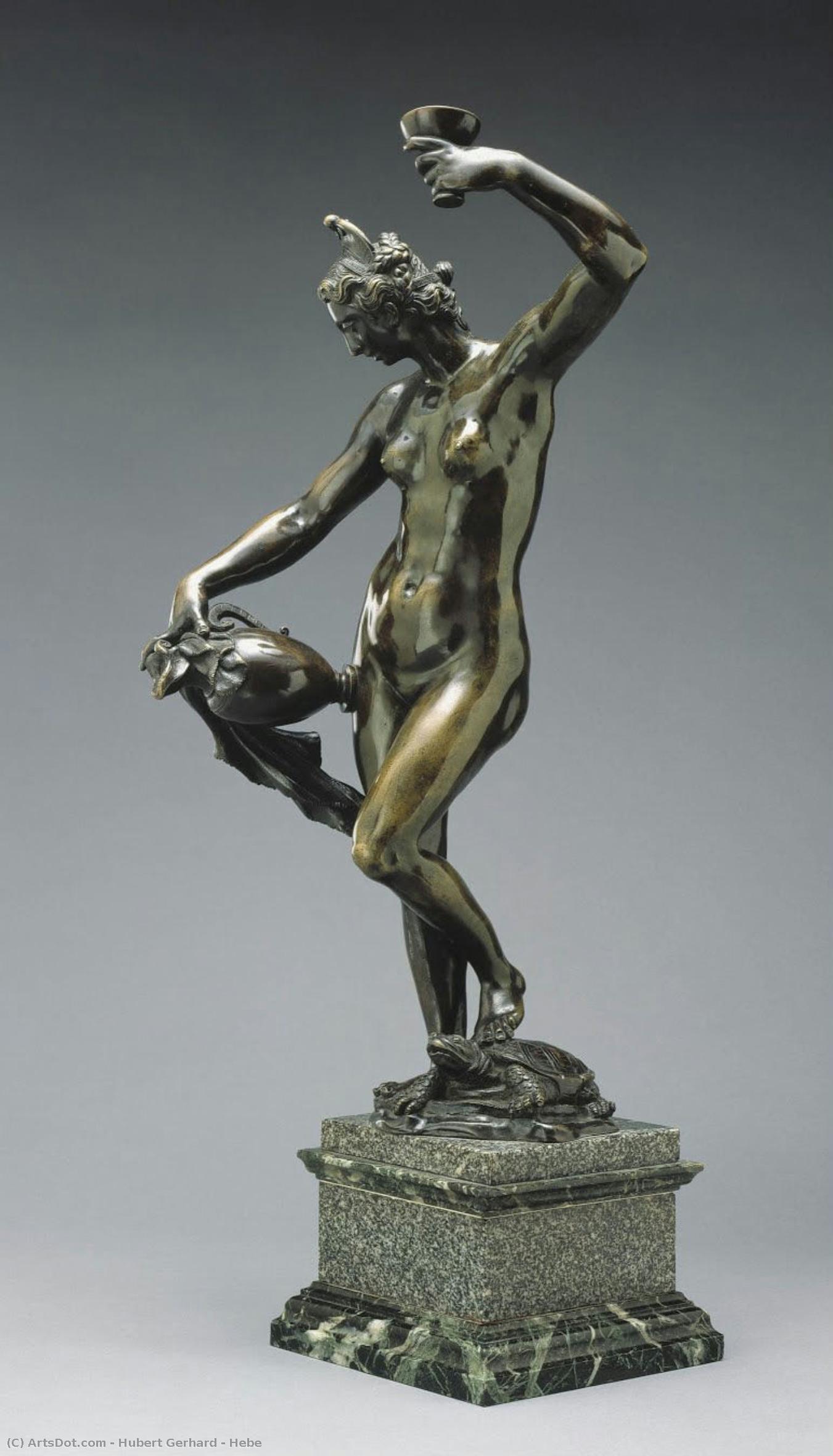
Hebe

Explore the intricate bronze sculptures of Hubert Gerhard, a 16th-century Dutch artist known for his mythological themes & Mannerist style in Augsburg & Munich.

Олійная репродукція ручної роботи

Написана вручну олією на полотні у вашому розмірі та рамі, виготовлена на замовлення нашими художниками.

Standard
custom
CM
INCH

Обирайте з наших стандартних розмірів, що відповідають оригінальним пропорціям твору мистецтва.

ширина
висота

Ви можете вказати власні розміри, щоб репродукція підійшла до конкретної рами або інтер'єру. Якщо вибраний вами розмір не відповідає пропорціям оригіналу, ми або обріжемо полотно, або доповнимо картину додатковими елементами, промальованими вручну. Цифровий макет буде надіслано вам на затвердження перед початком виробництва.
Зверніть увагу, що попередній перегляд на екрані не відображає фактичне обрізання або розширення зображення. Тільки макет точно покаже остаточну композицію.
Хоча ми можемо виготовити виріб у нестандартному розмірі, для збереження оригінальних пропорцій рекомендуємо обирати варіанти зі встановленого списку.

Приклади можливих змін: замінити обличчя на фото клієнта; додати домашню тварину (наприклад, замінити кота на собаку); додати приховане повідомлення на фоні; змінити ландшафт або елементи фону.
Після оформлення замовлення команда WahooArt.com зв'яжеться з клієнтом електронною поштою для отримання інструкцій та надасть попередній макет

Доставка по всьому світу () за 3–4 тижні замість стандартних 5 тижнів. (26 Липень). Без жодних компромісів у якості.

why_choose_icon
Безкоштовна експрес-доставка по всьому світу
why_choose_icon
Високоякісне лляне полотно
why_choose_icon
Повне страхове покриття доставки
why_choose_icon
Гарантія відшкодування митних зборів
why_choose_icon
Гарантія точного відтворення кольорів
why_choose_icon
Політика повернення протягом 60 днів (лише у разі виявлення дефектів)
why_choose_icon
Гарантія повернення 100% коштів
why_choose_icon
Знижка на багатоелементні замовлення

Загальна вартість

-

reproduction

Hebe

Матеріал репродукції

Розмір репродукції

-

Підсумкова ціна

-


Біографія митця

The Bronze Legacy of Hubert Gerhard

In the swirling currents of the late sixteenth century, a period defined by both profound religious upheaval and a vibrant intellectual rebirth, the sculptor Hubert Gerhard emerged as a master of form and metal. Born around 1545 in Den Bosch, Netherlands, Gerhard’s life was shaped by the turbulent winds of the Reformation, yet his artistic spirit found its true north in the sophisticated workshops of Italy. His journey from the Low Countries to the heart of Europe represents more than just a personal migration; it reflects the broader movement of Northern Mannerism, where the technical precision of the North met the dramatic, elongated elegance of the Italian Renaissance.

The defining chapter of Gerhard’s formative years was undoubtedly his time in Florence. There, he entered the orbit of the legendary Giambologna, a master whose influence acted as the cornerstone of Gerhard's sculptural language. Under this tutelage, Gerhard moved beyond mere anatomical representation to embrace the complexities of Mannerist aesthetics. He learned to manipulate bronze not just as a rigid medium, but as a fluid substance capable of capturing psychological tension, spiraling movement, and the delicate play of light across expressive drapery. This training instilled in him a lifelong devotion to the figura serpentinata—the serpentine pose that breathes life and dynamic energy into static metal.

A Career of Patronage and Monumental Vision

As Gerhard’s reputation ascended, so too did the scale of his ambitions. His career was marked by a remarkable ability to secure the favor of Europe's most powerful dynasties, moving between the commercial hubs of Augsburg and the ducal courts of Munich. Around 1580, the legendary Fugger banking family in Augsburg provided the essential patronage that allowed Gerhard to realize some of his most enduring civic contributions. His work on the Augustus Fountain stands as a testament to this era of grandeur. In collaboration with architects, he breathed life into the city's landscape through colossal bronze figures representing the mighty rivers: the Rhine, Danube, Lech, and Isar.

These monumental works were far more than mere decorations; they were profound statements of civic identity and humanistic pride. Through these river gods, Gerhard utilized the language of classical mythology to celebrate the natural abundance and political stability of the region. His mastery of bronze casting allowed him to achieve a level of detail that made the heavy metal appear almost weightless, capturing the muscularity of the deities alongside the subtle ripples of water, effectively bridging the gap between the earthly and the divine.

The Munich Years and Artistic Maturity

In 1584, Gerhard relocated to Munich, a move that would define his later years and cement his status within the Habsburg sphere of influence. Under the patronage of Wilhelm V, Duke of Bavaria, Gerhard found a fertile environment for exploring mythological and allegorical themes. His work in Munich reached a pinnacle of sophistication, characterized by an intimate command over smaller-scale bronzes that possessed as much emotional gravity as his larger public monuments. Works such as Hebe, Venus and Mars with Cupid, and various allegories of Bavarian strength showcase his ability to weave complex narratives into singular, captivating figures.

The significance of Gerhard’s oeuvre lies in its seamless synthesis of diverse cultural currents. He was an artist who could navigate the transition from the intense, often unsettling energy of Mannerism to the more balanced, majestic requirements of late Renaissance classicism. His legacy is etched into the very fabric of European cities, preserved in the enduring luster of his bronze masterpieces. Even centuries later, the works of Hubert Gerhard continue to command respect, serving as a window into an era where sculpture was used to capture the eternal dance between myth, power, and the human soul.

Hubert Gerhard

Hubert Gerhard

1545 - 1620 , Netherlands

Короткі факти

  • Artistic Movement Or Style: Mannerist
  • Artists Or Movements Influenced By This Artist: ['Northern Mannerism']
  • Artists Who Influenced This Artist: ['Giambologna']
  • Date Of Birth: ca. 1550
  • Date Of Death: 1620
  • Full Name: Hubert Gerhard
  • Nationality: Dutch
  • Notable Artworks:
    • Augustus Fountain
    • Hebe
    • Venus and Mars with Cupid
  • Place Of Birth: Den Bosch, Netherlands