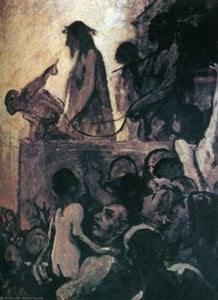
Написана вручну олією на полотні у вашому розмірі та рамі, виготовлена на замовлення нашими художниками. ( Замовити принт Купити цифрове зображення)





























Обирайте з наших стандартних розмірів, що відповідають оригінальним пропорціям твору мистецтва.

Ви можете вказати власні розміри, щоб репродукція ідеально підійшла до конкретної рами або інтер'єру. Якщо вибраний вами розмір не відповідає пропорціям оригіналу, ми або обріжемо полотно, або доповнимо картину додатковими елементами, промальованими вручну. Цифровий макет буде надіслано вам на затвердження перед початком виробництва.
Зверніть увагу, що попередній перегляд на екрані не відображає фактичне обрізання або розширення зображення. Тільки макет точно покаже остаточну композицію.
Хоча ми можемо виготовити виріб у нестандартному розмірі, для збереження оригінальних пропорцій рекомендуємо обирати варіанти зі встановленого списку.
Доставка по всьому світу () за 3–4 тижні замість стандартних 5 тижнів. (6 Вересень). Без жодних компромісів у якості.


Three Lawyers
Розмір репродукції
In the evocative monochrome of Honoré Daumier’s "Three Lawyers," we are invited into a world where the gravity of the law meets the biting wit of social critique. Created in 1857, this striking oil on canvas serves as a profound window into the mid-19th-century French legal system, captured through the eyes of an artist who knew the sting of injustice personally. Daumier, a man whose own brush was once deemed seditious by the state, utilizes a masterful palette of blacks and whites to sculpt figures that feel almost tactile in their presence. The scene is not merely a portrait of three professionals; it is a theatrical tableau of self-importance, where the heavy shadows and bright highlights work in tandem to expose the puffed-up egos of men who thrive within the labyrinth of bureaucracy.
The composition centers on three legal figures, standing in close proximity as they engage in what appears to be a spirited, perhaps even conspiratorial, exchange. One man holds a book—a symbol of the codified power they wield—while their postures suggest a shared sense of triumph and intellectual superiority. Daumier’s technique here is nothing short of extraordinary; by drawing inspiration from the chiaroscuro masters like Rembrandt and Velazquez, he extracts a rich, tonal depth from a limited spectrum. The way light catches the folds of their dark suits and illuminates their expressive faces creates a sense of movement and life, making the viewer feel as though they have stumbled upon a private moment of professional camaraderie.
Beyond the immediate spectacle of the lawyers' clever quips and unified front, Daumier embeds a haunting layer of symbolism that elevates the work from mere caricature to profound social commentary. While the central figures are preoccupied with their own prestige, the background reveals a much more somber reality. A weeping woman, relegated to the periphery and largely ignored by the men in power, serves as a poignant reminder of the human cost often left in the wake of legal maneuvering. This juxtaposition—the self-congratulatory unity of the powerful against the isolated grief of the vulnerable—is the heartbeat of the painting. It transforms the canvas into a silent protest, highlighting the disconnect between the mechanics of justice and the actual pursuit of mercy.
For the discerning collector or interior designer, "Three Lawyers" offers much more than aesthetic beauty; it provides a conversation piece steeped in historical weight and emotional complexity. The stark, dramatic contrast of the black and white tones allows this reproduction to integrate seamlessly into sophisticated, modern, or classical interiors, acting as a focal point that commands attention through its sheer narrative strength. Whether hung in a study, a library, or a contemporary living space, the painting brings with it an atmosphere of intellectual rigor and timeless reflection, inviting all who gaze upon it to look past the surface and contemplate the enduring complexities of human society.


1808 - 1879 , Франція

Explore the profound artistry of black and white photography. From historical mastery to the interplay of light and shadow, discover how monochrome captures timeless emotion and form through a sophisticated lens of art history.

Elevate your most cherished memories with WahooArt’s bespoke service. We transform your personal photos into breathtaking, hand-painted black & white oil masterpieces. Experience museum-quality craftsmanship and timeless elegance for your private collection. Discover the art of legacy.

 Переглянути в інтер'єрі
 Надіслати як листівку
 Поділитися
 Детальніше

 Завантажити
 Схожі експонати
 Рентгенівське дослідження
 Слайд-шоу

 Читати далі







 Скляний варіант доступний лише для розмірів до 110 см