Переглянути в інтер'єріПереглянути в інтер'єрі Перегляд в ARПерегляд в AR Перейти до друку Перейти до друкуЗамовити репродукцію ручної роботи Замовити репродукцію ручної роботи Надіслати як листівкуНадіслати як листівку
ДетальнішеДетальніше Додати до улюблених Додати до улюблених ЗавантажитиЗавантажити Схожі експонатиСхожі експонати Рентгенівське дослідженняРентгенівське дослідження Слайд-шоуСлайд-шоу СтатистикаСтатистика

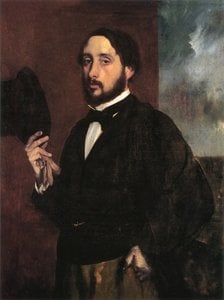
Before the Performance

Hilaire-Germain-Edgar Degas (1834–1917) was a French Impressionist artist renowned for his pastel drawings and oil paintings. He defied categorization, preferring to describe himself as a realist despite aligning with the Impressionist movement.

Едгар Дєґас – революційний французький художник, відомий своїми захопливими танцівницями, паризькими сценами та новаторськими техніками – справжній майстер сучасної мистецтва.

Придбайте цифрову копію високої роздільної здатності з покращеною якістю, що значно перевершує онлайн-перегляд.

Кожен файл ретельно підготовлений нашими фахівцями за допомогою сучасних інструментів та професійної ручної ретуші. Ми гарантуємо виняткову чіткість, точну передачу кольору та високу деталізацію кожного зображення.

Фінальний файл надсилається електронною поштою протягом 72 годин і оптимізований для негайного використання у професійних виданнях та друкованих матеріалах. Таку якість обирають провідні дизайнерські студії, видавництва та галереї.

Цифрове зображення

Завантажте файл високої роздільної здатності для особистого використання, друку та творчих проєктів. (Перейти до друку Перейти до друкуЗамовити репродукцію ручної роботи Замовити репродукцію ручної роботи)

Підсумкова вартість

$ 24,90

Переваги кожного замовлення цифрових зображень

Експертна цифрова доставка з гарантією якості

Обираючи WahooArt.com, ви отримуєте не просто зображення — ви отримуєте професійно вдосконалений цифровий витвір мистецтва, створений з надзвичайною точністю та підкріплений гарантією задоволення. Ось усе, що автоматично додається до вашого замовлення:

shipping_icon
Швидка доставка на email

Ваш цифровий файл із зображенням високої роздільної здатності буде надісланий вам електронною поштою протягом 72 годин після оформлення замовлення — він буде готовий до негайного використання.

canvas_icon
Цифровий файл із покращенням ШІ

Ваш витвір мистецтва професійно оптимізовано за допомогою передових інструментів штучного інтелекту та ручної корекції, що забезпечує максимальну деталізацію, чіткість і точність передачі кольорів.

insurance_icon
Безкоштовне повторне завантаження назавжди

Випадково видалили або втратили файл? Не хвилюйтеся — ми надішлемо його вам повторно в будь-який час безкоштовно.

tax_icon
Без митних зборів — ніколи

Насолоджуйтесь вашим витвором мистецтва миттєво без жодних мит, зборів або плати за доставку — цифрові завантаження завжди не оподатковуються.

color_icon
Гарантія точності кольорів

Ми гарантуємо максимально точне відтворення оригінальних кольорів на вашому цифровому зображенні завдяки використанню професійних інструментів та систем управління кольором.

return_icon
100-денна гарантія задоволення

Якщо ви не задоволені придбаним цифровим зображенням, ми внесемо правки або повернемо 100% вартості протягом 100 днів — без зайвих запитань.

guarantee_icon
Гарантія повернення 100% коштів

Незадоволені покупкою? Отримайте повне повернення коштів протягом 100 днів після отримання цифрового файлу — без зайвих запитань.

discount_icon
Знижки на оптові замовлення

Купуйте 3 зображення — заощаджуйте 10% — Купуйте 5 — заощаджуйте 15% — Купуйте 10+ — заощаджуйте 20%. Чудово підходить для творчих проєктів, галерей та агентств.

Основна інформація

  • Location: Private Collection
  • Notable elements or techniques: Detailed observation of dancers
  • Artist: Hilaire-Germain-Edgar Degas
  • Artistic style: Realist
  • Movement: Impressionism
  • Title: Before the Performance
  • Subject or theme: Ballet performance

Before the Performance: A Moment Frozen in Balletic Grace

Hilaire-Germain-Edgar Degas, a figure perpetually shadowed by the brilliance of Impressionism yet stubbornly resisting categorization, presents us with “Before the Performance,” an arresting pastel depicting a ballet troupe poised on the cusp of their performance. Painted in 1898, this artwork transcends mere representation; it’s a distillation of observation and emotion—a testament to Degas's unique artistic vision. Unlike his peers who sought to capture fleeting impressions of light and color, Degas focused intently on capturing movement itself, specifically the preparatory moments before a ballet dancer takes center stage. This dedication to realism distinguishes him as an artist deeply rooted in classical tradition while simultaneously embracing innovative techniques.
  • Subject Matter: The scene portrays twelve dancers—primarily women—engaged in various positions of readiness. Their costumes, rendered with meticulous detail, speak volumes about the elegance and formality of ballet culture during the Belle Époque.
  • Style & Technique: Degas’s masterful use of pastel distinguishes “Before the Performance” from many Impressionist canvases. Pastel crayons allow for subtle gradations of tone and color—crucial to conveying the diffused light characteristic of a theater setting—and capture textures with remarkable accuracy. The artist employs a technique known as *alla prima*, applying paint directly onto the surface without extensive underpainting, resulting in an immediacy that captures the dynamism of the moment.
The historical context surrounding this artwork is significant. Paris at the turn of the century was experiencing a surge of artistic experimentation and cultural fervor—the Belle Époque—fueled by industrial progress and burgeoning optimism. Ballet had become increasingly popular as a form of entertainment, attracting audiences from all social strata. Degas’s fascination with ballet stemmed not merely from aesthetic appreciation but also from an intellectual curiosity about the human condition. He sought to depict dancers not as idealized figures but as individuals grappling with physical exertion and psychological tension—a portrayal that anticipates later developments in portraiture and psychological realism. Symbolism & Emotional Impact:

Beyond its visual beauty, “Before the Performance” resonates with deeper symbolic meanings. The dancers’ postures convey anticipation and concentration—the artist captures the palpable energy of preparation before action. The muted palette—dominated by blues and browns—creates a mood of quiet contemplation, juxtaposed against the vibrant spectacle that is about to unfold. Degas's intention wasn't simply to record what he saw; he aimed to evoke a feeling—a sense of poised grace and impending drama—that speaks to the universal human desire for performance and expression.

A high-quality reproduction of “Before the Performance” offers a captivating glimpse into Degas’s artistic genius and the spirit of its time—a timeless masterpiece destined to inspire collectors and interior designers alike.


Біографія митця

A Life Immersed in Movement

Edgar Degas, born Hilaire-Germain-Edgar De Gas in Paris on July 19, 1834, remains one of the most intriguing and complex figures in art history. Often grouped with the Impressionists – alongside Monet, Renoir, and others who revolutionized painting in the late 19th century – Degas fiercely resisted this label, identifying instead as a realist. This commitment stemmed from his unwavering dedication to observing the world around him with meticulous detail and portraying it with an honesty that challenged conventional artistic norms. His early life was comfortably bourgeois; his father, Auguste, was a banker, and his mother, Celestine, hailed from a Creole family in New Orleans – a heritage that subtly informed his unique perspective. This background afforded him access to education and artistic training, though he often felt constrained by the rigid structures of academic art. Initially enrolled at the Lycée Louis-le-Grand, Degas’s true education began when he started spending hours copying works within the hallowed halls of the Louvre, honing his skills and igniting a lifelong passion for classical art. However, Degas's path wasn’t one of simple adherence to tradition; it was marked by constant questioning and a relentless reevaluation of artistic conventions. He possessed an independent spirit – a rebellious streak – that would define his entire career and ultimately shape the distinctive character of his work.

Beyond Impressionism: A Unique Artistic Vision

While contemporaries like Monet chased the fleeting effects of light outdoors, capturing the ephemeral beauty of landscapes, Degas largely worked within the confines of his studio. He meticulously constructed scenes from observation and memory, creating a world that felt both familiar and subtly altered. His subject matter was decidedly modern – a deliberate departure from the historical or mythological themes favored by many academic painters. Instead, he found inspiration in the everyday lives of Parisians: laundresses hauling their heavy loads, cabaret singers captivating audiences with their performances, milliners crafting elaborate hats, and, most famously, dancers—particularly those performing at the Paris Opera Ballet. It is this fascination with ballet that profoundly shaped much of his oeuvre. Degas didn’t simply paint beautiful ballerinas; he captured the grueling reality of their profession – the endless rehearsals, the physical strain, the fleeting moments of grace amidst a world of relentless hard work and demanding expectations. His compositions are often unconventional, cropping figures in unexpected ways—sometimes isolating them within tightly framed spaces, or presenting them at unusual angles—and utilizing asymmetrical arrangements that create a sense of dynamism and immediacy. He was a master of capturing movement, not through blurred lines or hazy effects, but through precise observation, careful rendering of form, and an understanding of the underlying structure of the human body in motion. Works like *Dancer, A Group of Dancers*, *Women Combing Their Hair*, and *The Dance Class* are prime examples of this dedication to portraying the human figure in motion and revealing the complexities of modern life. He wasn’t interested in superficial beauty; he sought to expose the truth beneath the surface – the sweat, the strain, the vulnerability—of his subjects.

Influences and Artistic Development

Degas's artistic journey was a rich tapestry woven from diverse influences. His early training emphasized classical principles, particularly the work of Jean-Auguste-Dominique Ingres, whose emphasis on draftsmanship, precise line, and idealized forms left an indelible mark on his style. However, Degas also admired the Realists – artists like Gustave Courbet who challenged academic conventions and championed the depiction of contemporary life with unflinching honesty. A pivotal moment in his development came through his association with Camille Pissarro, a leading Impressionist who encouraged him to experiment with new techniques and broadened his artistic horizons. He was deeply captivated by Japanese prints—Ukiyo-e – which exerted a powerful influence on his compositions, particularly his use of asymmetrical arrangements, flattened perspectives, and bold patterns. The dynamic energy and unconventional cropping of these prints resonated profoundly with Degas’s own desire to break free from traditional artistic constraints. He also embraced photography as a tool for studying movement and capturing fleeting moments in time – often using photographs as reference material for his paintings. This willingness to incorporate diverse influences into his work—classical training, Realist principles, Japanese aesthetics, and photographic techniques—is what ultimately defines Degas’s unique style and contributes to the enduring power of his art.

Major Achievements and Legacy

Edgar Degas died in Paris on September 27, 1917, leaving behind a remarkably extensive body of work that continues to captivate and inspire audiences worldwide. His innovative approach to composition, his masterful draftsmanship, and his unflinching portrayal of modern life have had a profound impact on the course of art history. He wasn’t simply a painter of dancers or racehorses; he was a keen observer of human nature, a master of form and movement, and a true innovator who redefined the possibilities of art. His influence can be seen in the work of future generations of artists – from Pablo Picasso to Henri Matisse – demonstrating his lasting legacy as one of the most significant figures of the late 19th and early 20th centuries. Museums across Europe—including the Musée d'Orsay and the Musée de l’Orangerie in Paris—house significant collections of his paintings, pastels, sculptures, and prints, ensuring that his artistic vision will continue to be appreciated for years to come. Degas’s work stands as a testament to the power of observation, experimentation, and a refusal to conform to established conventions.
  • Masterful Draftsmanship: His exceptional skill in drawing was unparalleled.
  • Modern Subject Matter: He brought contemporary Parisian life into his art.
  • Influence on Modern Art: His work paved the way for future generations of artists.

hilaire-germain-edgar degas

hilaire-germain-edgar degas

1834 - 1917 , Франція

Основна інформація

  • Artistic Movement Or Style: імпресіонізм, реалізм
  • Artists Or Movements Influenced By This Artist:
    • Пікассо
    • Матісс
  • Artists Who Influenced This Artist:
    • Інгрес
    • Курубе
    • Піссарро
  • Date Of Birth: 1834
  • Date Of Death: 1917
  • Full Name: Hilaire-Germain-Edgar De Gas
  • Nationality: Француз
  • Notable Artworks:
    • Танцістки за лавками
    • Медсестра
    • Дігас та Еварісте де Валаренс
  • Place Of Birth: Париж, Франція