Переглянути в інтер'єрі Примірка в AR Перейти до друку Купити картину ручної роботи Надіслати
Деталі Посібник Додати до улюблених Завантажити Схожі предмети колекціонування Рентгенівське дослідження Слайд-шоу Статистика переглядів

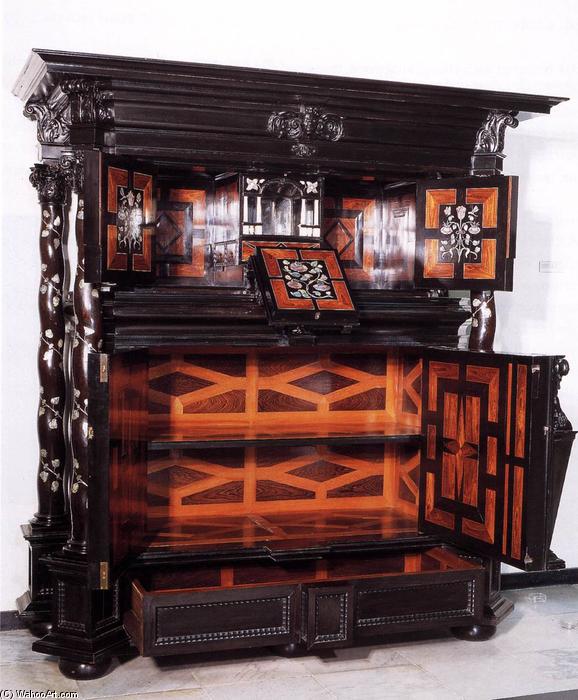
Cupboard (interior)

Marvel at Herman Doomer's 'Cupboard (Interior)' – a stunning 17th-century masterpiece showcasing intricate ebony, mother-of-pearl, and vibrant wood details from the Rijksmuseum. A true Dutch golden age treasure!

A prominent Dutch Golden Age craftsman known for his exquisite ebony-veneer furniture and the celebrated Cupboard (Interior), discover the intricate artistry that defined an era of opulent craftsmanship.

Придбайте цифрову копію високої роздільної здатності з покращеною якістю, що значно перевершує онлайн-перегляд.

Кожен файл ретельно підготовлений нашими фахівцями за допомогою сучасних інструментів та професійної ручної ретуші. Ми гарантуємо виняткову чіткість, точну передачу кольору та високу деталізацію кожного зображення.

Фінальний файл надсилається електронною поштою протягом 72 годин і оптимізований для негайного використання у професійних виданнях та друкованих матеріалах. Таку якість обирають провідні дизайнерські студії, видавництва та галереї.

Цифрове зображення

Завантажте файл високої роздільної здатності для особистого використання, друку та творчих проєктів. ( Перейти до друку Купити картину ручної роботи)

Загальна вартість

₴ 1117,13

Що входить у кожне замовлення цифрових зображень

Експертна цифрова доставка з гарантією якості

Обираючи WahooArt.com, ви отримуєте не просто зображення — ви отримуєте професійно вдосконалений цифровий витвір мистецтва, створений з надзвичайною точністю та підкріплений гарантією задоволення. Ось усе, що автоматично додається до вашого замовлення:

Швидка доставка на email

Ваш цифровий файл із зображенням високої роздільної здатності буде надісланий вам електронною поштою протягом 72 годин після оформлення замовлення — він буде готовий до негайного використання.

Цифровий файл із покращенням ШІ

Ваш витвір мистецтва професійно оптимізовано за допомогою передових інструментів штучного інтелекту та ручної корекції, що забезпечує максимальну деталізацію, чіткість і точність передачі кольорів.

Безкоштовне повторне завантаження назавжди

Випадково видалили або втратили файл? Не хвилюйтеся — ми надішлемо його вам повторно в будь-який час безкоштовно.

Без митних зборів — завжди

Насолоджуйтесь вашим витвором мистецтва миттєво без жодних мит, зборів або плати за доставку — цифрові завантаження завжди не оподатковуються.

Гарантія точності кольорів

Ми гарантуємо максимально точне відтворення оригінальних кольорів на вашому цифровому зображенні завдяки використанню професійних інструментів та систем управління кольором.

100-денна гарантія задоволення клієнта

Якщо ви не задоволені придбаним цифровим зображенням, ми внесемо правки або повернемо 100% вартості протягом 100 днів — без зайвих запитань.

Гарантія повернення 100% коштів

Незадоволені покупкою? Отримайте повне повернення коштів протягом 100 днів після отримання цифрового файлу — без зайвих запитань.

Знижки на оптові замовлення

Купуйте 3 зображення — заощаджуйте 10% — Купуйте 5 — заощаджуйте 15% — Купуйте 10+ — заощаджуйте 20%. Чудово підходить для творчих проєктів, галерей та агентств.

A Glimpse into Dutch Opulence: The Cupboard (Interior) by Herman Doomer

Herman Doomer’s “Cupboard (Interior),” a remarkable piece housed within the hallowed halls of the Rijksmuseum in Amsterdam, is more than just a display case; it's a meticulously crafted window into 17th-century Dutch artistry and the lavish tastes of its wealthy patrons. Completed around 1640, this cupboard offers a breathtaking immersion into a world of intricate detail, vibrant color, and masterful craftsmanship – a testament to Doomer’s exceptional skill as a cabinetmaker and his profound understanding of materials and design.

The piece immediately captivates with its scale—measuring an impressive 218 x 196 cm. Constructed primarily from oak veneered with ebony, kingwood, and rosewood, the cupboard’s exterior speaks to a sophisticated appreciation for exotic woods, reflecting the burgeoning trade routes that connected Europe with distant lands. However, it is the interior that truly commands attention. The use of contrasting materials—the dark, rich tones of ebony juxtaposed against the warmer hues of rosewood and the shimmering accents of mother-of-pearl—creates a dramatic visual interplay, drawing the eye deeper into its depths.

A Symphony of Materials: Technique and Craftsmanship

Doomer’s mastery lies not only in his selection of materials but also in the techniques he employed to transform them. The intricate marquetry, painstakingly inlaid with mother-of-pearl and ivory, is a marvel of precision. Each tiny piece is carefully positioned to create delicate floral patterns and geometric designs—a testament to the artist's patience and skill. The use of baleen, a material derived from whalebone, adds another layer of textural complexity, demonstrating Doomer’s innovative approach to ornamentation. The cabinetmaker skillfully combined these materials, creating a harmonious blend of textures and colors that elevates the piece beyond mere functionality.

Furthermore, the cupboard's construction reveals a deep understanding of woodworking principles. The use of dovetail joints—a hallmark of fine craftsmanship—ensures structural integrity while allowing for seamless assembly. The subtle curves and flowing lines of the design contribute to its overall elegance and grace, reflecting the prevailing aesthetic sensibilities of the period.

Symbolism and Context: A Reflection of Status

To fully appreciate “Cupboard (Interior),” it’s crucial to understand the historical context in which it was created. The Dutch Golden Age—the 17th century—witnessed an unprecedented flourishing of art, commerce, and culture. Wealthy merchants and aristocrats sought to demonstrate their status through opulent furnishings like this cupboard, a symbol of prosperity and refined taste. The use of exotic woods and precious materials underscored the owner’s connections to global trade networks and his ability to afford luxury goods.

The cabinet itself served as more than just storage; it was a statement piece—a focal point within a grand interior, designed to impress guests and reflect the homeowner's position in society. The intricate details and lavish ornamentation were intended to evoke admiration and convey a sense of wealth and sophistication.

A Legacy Enduring: Doomer’s Influence

Herman Doomer’s work profoundly influenced the development of Dutch furniture making, establishing him as one of the era's most celebrated cabinetmakers. His innovative use of materials, combined with his impeccable craftsmanship and artistic vision, set a new standard for quality and design. The portrait by Rembrandt, painted around the same time, further cemented Doomer’s place in art history, capturing not only the artist’s likeness but also the essence of his character and creative spirit.

Today, “Cupboard (Interior)” stands as a remarkable example of 17th-century Dutch artistry—a captivating blend of technical skill, aesthetic beauty, and historical significance. It offers a rare glimpse into the world of wealthy merchants and aristocrats, revealing their aspirations, tastes, and values.

Запитання та відповіді

«Cupboard (interior)» Herman Doomer — це портретна, пейзажна чи квадратна композиція?

«Cupboard (interior)» Herman Doomer має формат Портретна орієнтація. Формат описує пропорції композиції.

Чи доступне завантаження для "Cupboard (interior)"?

Зображення твору «Cupboard (interior)» Herman Doomer можна завантажити на сторінці Завантажити: завантаження цифрового зображення високої роздільної здатності.

Яка техніка була використана для "Cupboard (interior)" і коли було створено цей твір?

Техніка виконання «Cupboard (interior)» Herman Doomer — Акрил на полотні, а дата створення твору — 1640.


Біографія митця

The Artisan of the Golden Age

While history often reserves its most luminous spotlights for the painters who captured the light of the Dutch Golden Age, the story of Herman Doomer offers a profound glimpse into the skilled hands that framed and built that very era. Born in Anrath, near Venlo, Doomer was not a visual artist in the traditional sense, but rather a master craftsman whose life was defined by the tactile beauty of ebony and wood. As a successful furniture maker and framemaker, his work provided the physical structure for the burgeoning culture of 17th-century Amsterdam. He operated a prosperous business specializing in ebony-veneer furniture and intricate frames, navigating the bustling streets of the Kalverstraat, Gasthuismolensteeg, and Hartenstraat with the confidence of a man at the heart of a global trading hub.

Craftsmanship and Connection

The legacy of Herman Doomer is inextricably linked to the artistic giants of his time. His mastery of materials like ebony and colored baleen allowed him to contribute to the aesthetic opulence of the Dutch Republic, creating pieces that reflected the wealth and taste of a new middle class. His professional network was deeply embedded in the highest circles of Amsterdam's creative community; he was known to collaborate with figures such as Pieter Quast and Johannes Lutma. Perhaps most significantly, his role as a supplier of frames placed him in direct contact with Rembrandt van Rijn. This connection resulted in one of the most enduring portraits of the era, where Rembrandt captured Doomer not merely as a subject, but as a dignified professional, immortalizing the quiet strength of the craftsman behind the canvas.

A Lasting Material Legacy

Though his name may not be found on the signatures of canvases, Doomer’s influence persists through the enduring physical objects he created. His work, such as the remarkable Cupboard (Interior) housed in the Rijksmuseum, serves as a window into the lavish tastes and meticulous artistry of the period. These pieces were more than mere utility; they were embodiments of Dutch innovation and skill. Through his specialized trade, Doomer helped shape the visual environment of the 17th century, leaving behind a material history that continues to speak of an age defined by prosperity, intricate detail, and an unparalleled devotion to the beauty of fine craftsmanship.
Herman Doomer

Herman Doomer

1595 - 1650