Життя, занурене в колір: світ Анрі Матісса
Анрі Еміль Бенуа Матісс, народжений 31 грудня 1869 року у маленькому північному французькому містечку Като-Камбрезі, не був приречений на життя, сповнене пігментів та форм. Спочатку вивчаючи право в Парижі після закінчення середньої школи, його шлях різко змінився після нападу апендициту у 1889 році. Обмежений відновленням, він відкрив прихований пристрасть, запалений простою дією малювання набором художніх матеріалів, подарованих матір’ю. Це було не просто відволікання уваги; це було одкровення – поворотний момент, який відвів його від юридичних документів до світу, де колір став би його мовою, а полотно – його доменом. Виростаючи в Бое-ан-Вермандуа, сином торговців зерном, Матісс спочатку здавався малоймовірним прихильником богемного життя художника, проте зерно було засіяне, виховане періодом недуги та розквітло у все життя відданість. Він вступив до Академії Жуліана, а потім до Національної школи образотворчого мистецтва, навчаючись під керівництвом Вільяма-Адольфа Бугро та Гюстава Моро відповідно, засвоюючи класичні техніки, які слугували основою для його майбутніх інновацій. Ранні роботи відображали це академічне навчання, демонструючи майстерність, але не вистачало відмінного голосу, який незабаром мав визначити його.
Світанок Фовізму та сміливі експерименти
Поворотним моментом став 1896 рік під час візиту до Бель-Іль з австралійським художником Джоном Расселом. Ця зустріч виявилася трансформаційною. Рассел познайомив Матісса з яскравим світом імпресіонізму, і що важливіше – з емоційно зарядженими полотнами Вінсента ван Гога. Вплив був глибоким. Експресивне використання кольору Ван Гогом зруйнувало попередню стриману палітру Матісса, спонукаючи його до сміливішого, більш суб’єктивного підходу. Він почав відходити від земляних тонів, приймаючи відтінки, які резонували з почуттями, а не зі строгим представленням. Це дослідження досягло кульмінації в появі Фовізму близько 1905 року – руху, де Матісс став провідною фігурою. Сама назва, що означає «дикі звірі», спочатку була зневажливою, даною критиком на виставці шокуюче яскравих і нереалістичних картин у Salon d'Automne.
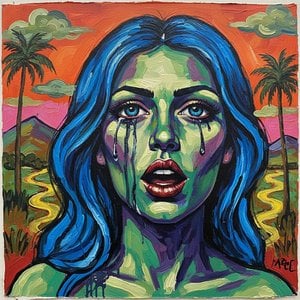
Матісс, поряд з такими художниками, як Андре Дерен та Моріс де Вламінк, пропагував інтенсивний колір як незалежний елемент вираження, спрощуючи форми для посилення його впливу. Картини, такі як «Гарбузи» (1905), є прикладом цього стилю – буяння червоних, зелених та жовтих кольорів, нанесених з свободою, яка ігнорувала традиційну перспективу та міметичну точність. Ключові характеристики включали насичені палітри, спрощені форми, експресивні мазки пензля та навмисне відкидання конвенціонального представлення на користь емоційного резонансу.
Удосконалення та декоративна гармонія
Після початкового запалу Фовізму стиль Матісса зазнав тонкої, але значної еволюції. Хоча він ніколи не відмовлявся від своєї любові до кольору, його робота стала більш витонченою, схиляючись до декоративної естетики, яка підкреслювала сплющені форми та складні візерунки. Він досліджував теми дозвілля, домашнього життя та людської фігури в спокійних умовах, створюючи композиції, які здавалися одночасно гармонійними та емоційно резонансними. Переїзд у Ніццу на Французьку Рив’єру в 1917 році ще більше вплинув на цей зсув, наповнивши його роботу відчуттям безтурботності та класичної рівноваги. Він почав зосереджуватися на створенні середовищ – картин, скульптур і декоративних предметів – які огортали глядача атмосферою краси та спокою. У цей період він експериментував з різними медіа, включаючи кераміку та текстиль, розширюючи своє художнє бачення за межі традиційного полотна. Він не просто зображував сцени; він будував світи, призначені для виклику конкретної емоційної реакції.
Пізні роки: інновації через обмеження
Оскільки погіршення здоров’я обмежило здатність Матісса малювати у звичайний спосіб, він вирушив у надзвичайну нову главу своєї художньої подорожі – створення колажів із вирізаного паперу або *декупаж*. Починаючи приблизно в 1947 році, ці роботи народилися з необхідності. Обмежений інвалідним візком, він не міг фізично стояти та малювати, але все ще міг маніпулювати папером ножицями. Те, що почалося як практичне рішення, перетворилося на новаторську художню техніку. Він малював великі аркуші паперу яскравими кольорами, а потім вирізав їх у форми – органічні фігури, листя, фігури – і розташовував на полотні, створюючи композиції, які були одночасно динамічними та оманливо простими. Ці *декупажі* не були просто замінниками живопису; вони представляли новий спосіб мислення про колір, форму та композицію. Вони продовжили його все життя дослідження цих елементів, демонструючи стійке художнє бачення навіть перед фізичними обмеженнями.
- Техніка вирізання з паперу дозволила йому досягти чистоти форми та кольору, яку було важко отримати за допомогою фарби.
- Ці роботи часто посилалися на попередні теми та мотиви з його картин, але представляли їх у свіжому та інноваційному вигляді.
- Вони продемонстрували його здатність адаптуватися та розвиватися як художник протягом усієї своєї кар’єри.
Тривала спадщина: вплив Матісса на сучасне мистецтво
Анрі Матісс помер у Ніцці в 1954 році, залишивши після себе творчість, яка продовжує надихати та захоплювати глядачів у всьому світі. Його вплив на світ мистецтва незаперечний; він кинув виклик конвенціональним уявленням про представництво, пропагував експресивну силу кольору та проклав шлях для майбутніх поколінь художників. Часто розглядається поряд із Пабло Пікассо як одна з найвпливовіших фігур у мистецтві 20-го століття, Матісс фундаментально сформував модернізм. Його спадщина виходить за межі його творів – вона включає філософію святкування радості, краси та трансформаційного потенціалу кольору. Він не просто малював те, що бачив; він створював емоційний досвід для глядача, запрошуючи їх поділитись його баченням світу, наповненого світлом і яскравими відтінками. Вплив
Матісса можна побачити у незліченних роботах художників з різних дисциплін, закріплюючи його місце як справжнього майстра сучасного мистецтва – художника, який наважився бачити світ не таким, яким він є, а яким він міг би бути, сповненим кольору, гармонії та безмежних можливостей.



 Переглянути в інтер'єрі
 Перейти до друку
 Надіслати
 Поділитися
 Деталі
 Посібник

 Завантажити
 Схожі предмети колекціонування
 Рентгенівське дослідження
 Слайд-шоу
 Статистика переглядів


 Читати далі






































 Скляний варіант доступний лише для розмірів до 110 см