


 Acrylic On CanvasWallArtFauvist Expressionism
 1950
1950 20.0 x 12.0 cm
Написана вручну олією на полотні у вашому розмірі та рамі, виготовлена на замовлення нашими художниками. ( Замовити принт Купити цифрове зображення)





























Обирайте з наших стандартних розмірів, що відповідають оригінальним пропорціям твору мистецтва.

Ви можете вказати власні розміри, щоб репродукція ідеально підійшла до конкретної рами або інтер'єру. Якщо вибраний вами розмір не відповідає пропорціям оригіналу, ми або обріжемо полотно, або доповнимо картину додатковими елементами, промальованими вручну. Цифровий макет буде надіслано вам на затвердження перед початком виробництва.
Зверніть увагу, що попередній перегляд на екрані не відображає фактичне обрізання або розширення зображення. Тільки макет точно покаже остаточну композицію.
Хоча ми можемо виготовити виріб у нестандартному розмірі, для збереження оригінальних пропорцій рекомендуємо обирати варіанти зі встановленого списку.
Доставка по всьому світу () за 3–4 тижні замість стандартних 5 тижнів. (7 Вересень). Без жодних компромісів у якості.


Creole Dancer
Розмір репродукції
Henri Matisse's “Creole Dancer,” completed in 1950, stands as a testament to the enduring power of Fauvist aesthetics—a movement that championed unrestrained color and simplified forms as radical departures from Impressionism. This captivating gouache painting on cut paper resides within the Musée Matisse in Nice, offering visitors an intimate glimpse into Matisse’s artistic vision during his prolific later years.
Born in 1869 in Le Cateau-Cambrésis, Henri Émile Benoît Matisse initially pursued a legal career before discovering the transformative influence of painting. Following an illness that sidelined him from law, he embraced art with fervor—a passion nurtured by his mother’s generous gift of artistic supplies. This serendipitous encounter ignited a lifelong dedication to color and form, propelling him toward a path that would redefine modern art.
Matisse's Fauvist style wasn’t merely about applying pigment; it was about rejecting academic conventions in favor of emotional expression. Artists like Matisse deliberately eschewed naturalistic representation, prioritizing vibrant hues—often jarringly juxtaposed—to convey mood and feeling directly to the viewer. “Creole Dancer” exemplifies this ethos perfectly, abandoning photographic accuracy for a bold declaration of color.
The painting’s palette is dominated by reds, blues, and yellows – colors deliberately chosen not for their descriptive qualities but for their emotive impact. Matisse skillfully layered gouache onto cut paper, creating a textured surface that enhances the vibrancy of the hues. The artist's meticulous attention to detail—particularly in capturing the delicate folds of the dancer’s dress and the luminous glow of the flowers—demonstrates his mastery of technique.
"Creole Dancer" transcends mere visual beauty; it carries symbolic weight. The dancer herself embodies grace, movement, and vitality – qualities Matisse sought to convey through reductive simplification. The flowers adorning her head symbolize femininity, joy, and perhaps even a connection to the natural world. Scattered stars contribute to an ethereal atmosphere, hinting at dreams and aspirations.
Ultimately, “Creole Dancer” succeeds in capturing a moment of serene contemplation amidst exuberant color. Matisse’s masterful use of pigment and form invites viewers into a realm where emotion triumphs over representation. It's a painting that speaks to the fundamental human desire for beauty and harmony—a timeless masterpiece that continues to inspire admiration and intrigue.


1869 - 1954 , Франція
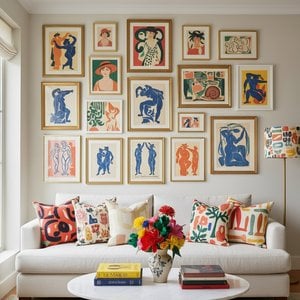
Відкрийте для себе 25 найвідоміших шедеврів Анрі Матісса! Дізнайтесь історію фавізму, колірних рішень та унікального стилю художника. Репродукції картин Матісса для вашого дому – на WahooArt.com. Дослідіть колекцію онлайн!
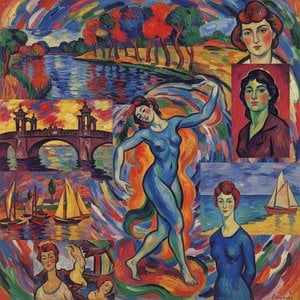
Відкрийте для себе 10 шедеврів Фавізму від Матісса, Дерена та інших! Дізнайтесь історію яскравих полотен, що змінили мистецтво. Купуйте репродукції картин преміум-якості на WahooArt.com.
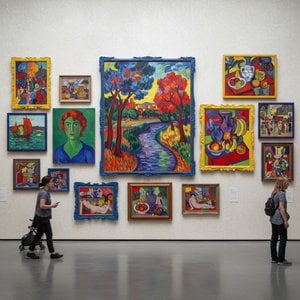
Відкрийте для себе 10 шедеврів фовізму від Матісса, Дерена та інших! Історія створення, яскраві кольори та вплив на мистецтво. Репродукції картин преміум-якості для вашого інтер'єру – WahooArt.com

Відкрийте для себе 10 шедеврів абстрактного експресіонізму! Дізнайтесь історію Поллока, Ротко та інших геніїв. Репродукції картин преміум-якості для вашого дому від WahooArt.com. Дослідіть колекцію онлайн!

Відкрийте для себе 25 найвідоміших шедеврів Василя Кандинського! Пориньте у світ абстрактного мистецтва, експресіонізму та кольорових композицій. Репродукції картин Кандинського преміум-якості на WahooArt.com – для вашого інтер'єру з душею. Дослідіть повну колекцію онлайн!

 Переглянути в інтер'єрі
 Надіслати як листівку
 Поділитися
 Детальніше

 Завантажити
 Схожі експонати
 Рентгенівське дослідження
 Слайд-шоу
 Читати далі







 Скляний варіант доступний лише для розмірів до 110 см


