
БЕЗКОШТОВНА КОНСУЛЬТАЦІЯ З МИСТЕЦТВА


x

 Замовити друк Купити цифрове зображення
 Надіслати
 Details
 Додати до улюблених
 Завантажити
 Схожі вироби
 X-Ray
X-Ray
 Слайд-шоу
Написана вручну олією на полотні у вашому розмірі та рамі, виготовлена на замовлення нашими художниками.
Обирайте з наших стандартних розмірів, що відповідають оригінальним пропорціям твору мистецтва.

Ви можете вказати власні розміри, щоб репродукція підійшла до конкретної рами або інтер'єру. Якщо вибраний вами розмір не відповідає пропорціям оригіналу, ми або обріжемо полотно, або доповнимо картину додатковими елементами, промальованими вручну. Цифровий макет буде надіслано вам на затвердження перед початком виробництва.
Зверніть увагу, що попередній перегляд на екрані не відображає фактичне обрізання або розширення зображення. Тільки макет точно покаже остаточну композицію.
Хоча ми можемо виготовити виріб у нестандартному розмірі, для збереження оригінальних пропорцій рекомендуємо обирати варіанти зі встановленого списку.
Доставка по всьому світу () за 3–4 тижні замість стандартних 5 тижнів. (1 Липень). Без жодних компромісів у якості.


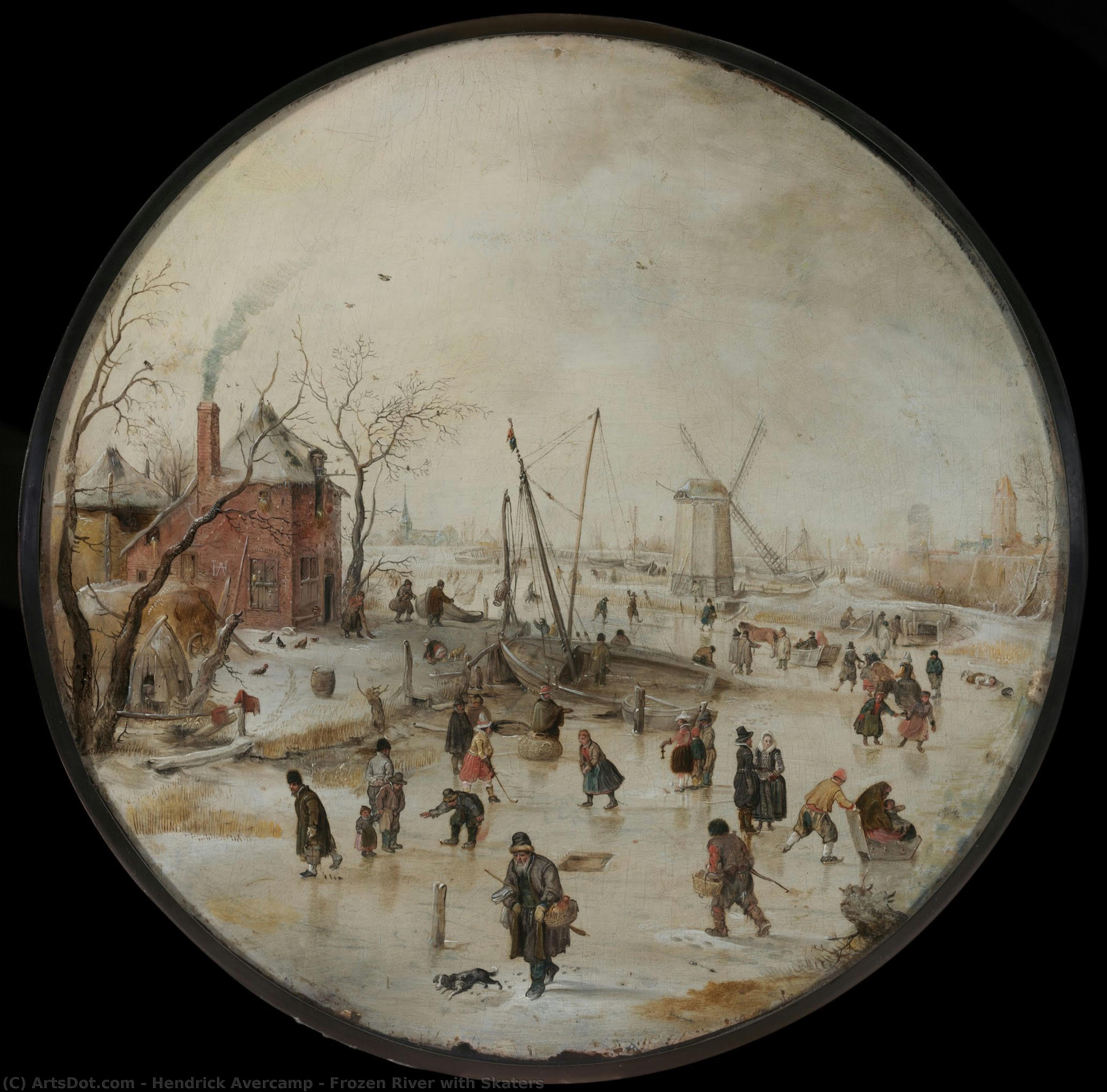
Frozen River with Skaters
Розмір репродукції


1585 - 1634 , Нідерланди

Відкрийте для себе 10 шедеврів Золотої доби нідерландського мистецтва! Рембрандт, Вермеєр та інші майстри. Історія створення, унікальні техніки та натхнення для вашого інтер'єру. Репродукції картин високої якості – ArtsDot.com

Explore the rich history of pastoral landscape art, from classical Arcadia to Impressionism & beyond. Discover key artists, movements, and how to collect serene rural scenes for your home. Expert insights at ArtsDot.

Explore the serene landscapes of Albert Charles Lebourg, a master of the Rouen School Impressionists. Discover his atmospheric paintings of the Seine and enduring legacy in 19th-century French art.

Пориньте у світ снігових пейзажів! Топ-10 знаменитих картин зими від Моне, Фрідріха та інших майстрів. Історія мистецтва, техніки живопису та ідеї декору для вашого дому на ArtsDot.com. Відкрийте всю колекцію онлайн!

Explore the captivating winter landscapes of Charles Leickert, a master of Dutch Golden Age light & atmosphere. Discover his techniques, symbolism, and lasting legacy – a comprehensive study for art enthusiasts and collectors.


Будьте в курсі останніх новин зі світу мистецтва, ексклюзивних пропозицій та ідей для декорування.
Розкажіть нам про свій проєкт, і наші експерти з мистецтва підготують для вас 3 персоналізовані пропозиції щодо творів мистецтва.
Дозвольте нам підібрати 3 варіанти спеціально для вас — безкоштовно!
 Поділитися






































 Читати далі
 Скляний варіант доступний лише для розмірів до 110 см


