
Стати продавцем


x
-
Купити
Картини на замовлення Авторські принти на замовлення Перетворіть своє фото на художній шедевр Переглядати за темою Підбір за типом кімнати Підбір декору: Вітальня Підбір декору для офісу Шопінг за нагоди Купити картини в наявностіКупуйте наші витвори мистецтва Досліджуйте ательє наших партнерів Отримуйте безкоштовні рекомендації щодо творів мистецтва Посібник колекціонера: як обрати свій перший шедевр Посібник з декорування інтер'єру репродукціями Послуги з вибору подарунків Посібник із вибору корпоративних подарунків у сфері мистецтва Мій кошик Мій кабінет, Обране, Замовлення
-
Художники
Усі художники Найпопулярніші 100 художників За художні періоди За алфавітом Усі види технік Усі техніки та матеріали За країною народження За історичними періодами За емоційним настроєм За емоційним настроєм За етапами творчого розвиткуЗа кольоровою гамою творів За роком народження За насиченістю кольорів За тематикою творів Знамениті художники, що змінили світ Становлення художниць Майстри Відродження Замовлення творів мистецтва сьогодні Як ми працюємо з приватними колекціонерами Створення портфоліо художника для корпоративного сектору
- Витвори мистецтва
- Техніки та стилі
- Музеї
-
Статті
Усі статті Найпопулярніші 100 статей За ключовими словами За категоріями За тоном та стилем Хронологія історії мистецтва Основи колекціонування мистецтва Ознайомлення з художніми напрямами Шедеври крізь вікиКолір та емоції в мистецтві Мистецтво в домашньому інтер'єрі Мистецтво та емоції: декорування за настроєм і вайбом Поради з декорування для кожної кімнати Авторські сезонні колекції Мистецтво як інвестиція Корпоративне мистецтво: надихайте ваш офіс креативністю Подарунки на весілля та річницю Історії та відгуки наших клієнтів
-
Послуги
Портрет за фотографією Перетворення фото у художній принт Ваше фото у стилі шедевра живопису Сервіс арт-консьєржа Замовити розрахунок вартості Ексклюзивні VIP-замовлення Експертна оцінка мистецтва Продавати як галерея Безкоштовна підбірка творів мистецтва Отримуйте безкоштовні рекомендації щодо мистецтва Від фотографії до картини: шлях створення індивідуальних портретів Процес створення картини

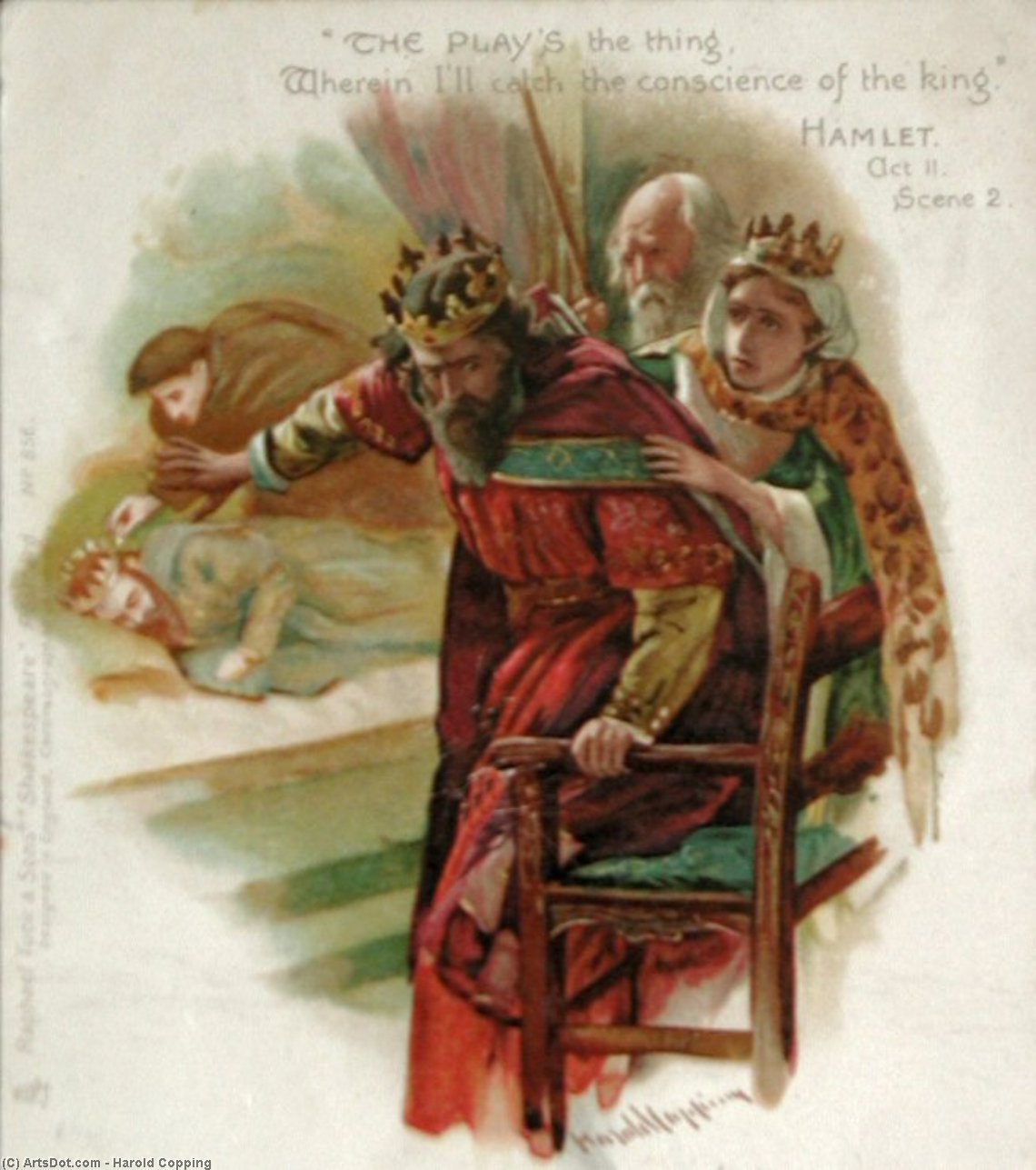
 Переглянути в інтер'єрі
 Замовити репродукцію ручної роботи
 Надіслати як листівку
 Поділитися
 Детальніше

 Завантажити
 Схожі експонати
 Рентгенівське дослідження
 Слайд-шоу
 Читати далі






































 Скляний варіант доступний лише для розмірів до 110 см





