Ранні роки та формування художника
Густав Клімт, народжений 14 липня 1862 року в Баумгартені поблизу Відня, виріс у сім’ї, де перепліталися художній талант і фінансові труднощі. Його батько, Ернст Клімт, був гравером на золоті – професія, яка тонким, але глибоким чином вплинула на естетичні почуття молодого Густава: магія золотої фольги, ретельна деталізація, сама розкіш. Сімейні негаразди призводили до частих переїздів у Відні, неспокійного дитинства, яке, можливо, розвинуло в Клімта гостре спостереження за навколишнім світом і чутливість до людського досвіду. Навіть у дитинстві його малювальні здібності були вражаючими, підтримувані професією батька та природним талантом, який швидко став очевидним. У 1876 році він вступив до Віденської школи прикладного мистецтва (Kunstgewerbeschule), розпочавши формальне навчання архітектурному живопису під керівництвом Фердинанда Лауфбергера. Це дало йому міцну технічну основу, але також познайомило з панівними академічними стилями – стилями, які Клімт зрештою кинув виклик і перевершив. Саме тут він утворив важливе художнє партнерство зі своїм братом Ернстом та Францом фон Мачем, співпраця, яка забезпечила ранні замовлення на декоративні фрески та стелі, закладаючи основу для його майбутнього успіху.
Початок шляху і розквіт Віденської сецесії
До 1890-х років Клімт дедалі більше розчаровувався в консервативному художньому середовищі Відня. Він прагнув більшої творчої свободи, простору, де інновації могли б процвітати без обмежень традицій. Це бажання досягло кульмінації у формуванні Віденської сецесії в 1897 році – поворотного моменту в австрійській історії мистецтва. Клімта було обрано першим президентом, він став лідером руху, який прагнув відірватися від суворих академічних норм і прийняти нові художні течії, що охоплювали Європу – модерн (Art Nouveau), символізм та японізм. Власна виставкова будівля Сецесії, розроблена Йозефом Марією Ольбріхом, стала символом цього бунту, храмом, присвяченим сучасному мистецтву. Робота Клімта була центральною для етики Сецесії, втілюючи відмову від традиційної естетики та прийняття декоративних елементів, сміливих кольорів і символічної образності. Його картини почали досліджувати теми любові, смерті та сексуальності з безпрецедентньою відвертістю, кидаючи виклик суспільним нормам і викликаючи захоплення й обурення.
Золотий період і художня зрілість
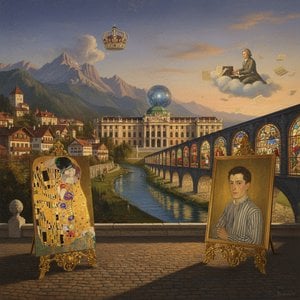
Приблизно в 1900 році Клімт увійшов у те, що зараз відомо як його «золотий період», період, який характеризується щедрим використанням золотої фольги, натхненної візантійськими мозаїками та середньовічними ілюмінованими рукописами. Ця техніка перетворила його картини на мерехтливі, неземні видіння, сповнені духовного глибини та чуттєвої привабливості. «Поцілунок» (1907-1908), можливо, його найзнаменитіша робота, є прикладом цього стилю – пара, замкнена в обіймах, оповита золотим сяйвом, їхні тіла прикрашені складними візерунками. У цей період Клімт також створив серію приголомшливих портретів, зокрема *Портрет Адель Блох-Бауер I* (1907), який продемонстрував його здатність передати не лише фізичну схожість, але й психологічну складність своїх моделей. Він все більше розмивав межі між живописом і орнаментом, інтегруючи декоративні елементи у свої композиції для створення гармонійного поєднання форми та змісту. Вплив японського мистецтва – японізму – особливо помітний у його сплющеному перспективі, акценті на лінії та використанні декоративних візерунків.
Суперечки, впливи та спадщина
Кар’єра Клімта не обійшлася без суперечок. У 1900 році він отримав престижне замовлення на розпис стелі для Великої зали Віденського університету, що представляли філософію, юриспруденцію та теологію. Однак ці роботи – особливо *Філософія* – були визнані провокаційними і навіть порнографічними консервативними критиками, що призвело до громадського обурення і зрештою змусило Клімта відмовитися від подальших публічних замовлень. Цей інцидент став переломним моментом у його кар’єрі, штовхнувши його до більш приватного меценатства та надання йому більшої творчої свободи. Протягом свого життя Клімт зазнав впливу різноманітних художників і стилів – від історичних картин Ганса Макарта до декоративного мистецтва Візантії та Японії. Він також черпав натхнення з символістського руху, досліджуючи теми міфології, алегорії та підсвідомості. Густав Клімт продовжував наполегливо малювати до своєї смерті 6 лютого 1918 року від інсульту під час пандемії іспанського грипу. Його пізні роботи досліджували більш абстрактні форми та пейзажі, демонструючи постійну художню еволюцію. Зараз він визнаний однією з найважливіших постатей в австрійській історії мистецтва, провідним представником Віденської сецесії та незмінним символом елегантності модерну.
Його картини досягають високих цін на аукціонах, і його вплив продовжує відгукуватися у сучасному мистецтві та дизайні.
Ключові характеристики & художній стиль
- Символізм: Робота Клімта глибоко символічна, часто досліджує теми любові, смерті, сексуальності та людського існування.
- Модерн (Art Nouveau): Він був провідною фігурою в модернізмі, що характеризується органічними лініями, декоративними візерунками та акцентом на красу.
- Золотий період: Його використання золотої фольги створило мерехтливі, розкішні поверхні, які стали його фірмовим стилем.
- Декоративні елементи: Клімт інтегрував декоративні елементи у свої композиції, розмиваючи межі між живописом і орнаментом.
- Жіноча форма: Жіноче тіло було центральним об’єктом його роботи, часто зображалося з чуттєвістю та психологічною глибиною.



 Переглянути в інтер'єрі
 Перейти до друку
 Надіслати як листівку
 Поділитися
 Детальніше

 Завантажити
 Схожі експонати
 Рентгенівське дослідження
 Слайд-шоу
 Статистика

 Читати далі






































 Скляний варіант доступний лише для розмірів до 110 см