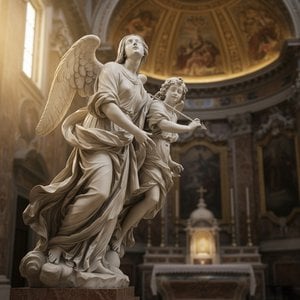
Біографія митця
Спадщина, викарбувана в камені: Життя та мистецтво Гійома Кусту Старшого
Гійом Кусту Старший вийшов із Ліона, сповненого художніх традицій, народившись у 1677 році в родині, якій судилося залишити незгладимий слід у французькій скульптурі. Його родовід був сповнений творчої могутності: його дядько, Антуан Койсевокс, уже мав славу королівського скульптора, а його брат, Ніколя Кусту, згодом також здобуде значне визнання. Це сімейне середовище стало родючим ґрунтом для художнього розвитку юного Гійома, прищепивши йому глибоке розуміння традиційних технік та вміння цінувати силу форми. Хоча початкова підготовка, ймовірно, проходила в цьому тісному колі, амбіції Кусту привели його до Парижа і, зрештою, на період навчання — хоч і нетрадиційного — у Римі. Попри те, що спочатку він здобув престижну Prix de Rome, його незалежний дух вступив у конфлікт із суворою дисципліною місцевої французької академії, що спонукало його шукати шлях реалізації свого художнього бачення поза її межами. Цей ранній акт непокори передвістив кар'єру, позначену як технічною майстерністю, так і динамічною енергією, що виділяла його серед багатьох сучасників.
Міст між величчю бароко та грацією рококо
Мистецький шлях Кусту розгортався під час захопливого перехідного періоду у французькому мистецтві, коли воно перебувало між драматичною інтенсивністю високого бароко та новою елегантністю стилю рококо. Його творчість прекрасним чином втілює цей зсув. Ранні роботи виявляють вплив бароко — велич масштабу, емоційну глибину та театральність, що відлунювали епоху правління Людовіка XIV. Однак Кусту не просто копіював минуле; він поступово впроваджував елементи зростаючої естетики рококо, наповнюючи свої скульптури новою легкістю, граціозністю та витонченим орнаментом. Цей синтез особливо помітний у його майстерному володінні анатомією та композицією. Він мав винятковий хист у фіксації руху та емоцій у межах мармуру, вдихаючи у свої фігури відчуття життя та вітальності. Хоча точно визначити прямі впливи складно, драматизм і технічна віртуозність Джан Лоренцо Берніні, безперечно, слугували натхненням, особливо в найбільш амбітних проєктах Кусту.
Тріумф Марлі: Символ королівської влади
Кар'єра Кусту процвітала під патронатом французької монархії, досягнувши свого зеніту завдяки замовленню на створення монументальних «Приборкувачів коней» (Chevaux de Marly) у 1739 році для садів Шато де Марлі. Ці скульптури є, мабуть, його найславетнішим досягненням і залишаються культовими символами королівської влади та мистецьких амбіцій. Спочатку призначені для того, щоб флангувати вхід до шато, вони зображують могутніх вершників, що силою підкорюють диких коней — потужна алегорія контролю монарха над природою та некерованими силами. Масштаб цих робіт захоплює дух, але саме динамічна енергія, застигла в мармурі, справді полонить глядача. Кожен м'яз напружений від зусиль, кожен вираз обличчя передає рішучість, і вся композиція випромінює первісну силу. Окрім «Приборкувачів коней», портфоліо Кусту включає вражаючі портрети, такі як його мармурова скульптура , що з гідною точністю передає велич королівської присутності, та вишукано деталізований бюст Самуеля Бернара, що демонструє його майстерність у портретному жанрі. Його неокласична мармурова статуя , римського бога війни, ще раз підтверджує його універсальність і володіння класичними формами.
Тривала спадщина у французькій скульптурі
Гійом Кусту Старший відіграв ключову роль у формуванні ландшафту французької скульптури XVIII століття. Його роботи уособлювали розкіш і велич французького двору, відображаючи художні смаки епохи, визначеної екстравагантністю та витонченістю. «Приборкувачі коней», зокрема, вийшли за межі своєї початкової функції садових прикрас, ставши незмінними символами королівської влади та національної гордості. Здатність Кусту подолати розрив між стилями бароко та рококо виявилася глибоко впливовою для наступних поколінь скульпторів, включаючи його власного сина, Гійома Кусту Молодшого, який продовжив сімейну традицію та подальший розвиток їхньої мистецької спадщини. Його акцент на динамічній композиції, анатомічній точності, експресивному деталі та майстерному розумінні мармуру гарантував, що його вплив резонуватиме ще довго після його смерті у 1746 році. Він залишив по собі не просто скульптури, а свідчення амбіцій та мистецтва цілої епохи — твори, які продовжують викликати трепет і захоплення століттями пізніше.



 Перейти до друку
 Надіслати як листівку
 Поділитися
 Детальніше

 Завантажити
 Схожі експонати
 Слайд-шоу
 Статистика


 Читати далі






































 Скляний варіант доступний лише для розмірів до 110 см