Біографія митця
Піонер світлової точності: Життя та мистецтво Жоржа Сера
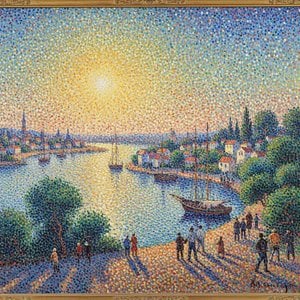
Жорж П’єр Сера, народжений у Парижі 2 грудня 1859 року, став ключовою фігурою в переході від імпресіонізму до сучасного мистецтва. Його недовга, але надзвичайно зосереджена кар'єра революціонізувала живопис завдяки розвитку пуантилізму – техніки, заснованої на наукових принципах і непохитній прагненні до оптичної правди. Історія Сера – це історія ретельної спостережливості, інтелектуальної строгості та глибокої чутливості до нюансів світла та кольору – якостей, які відрізняли його від сучасників і продовжують захоплювати глядачів сьогодні. Його раннє життя, хоча й здавалося б звичайним, заклало основу для майбутніх художніх пошуків. Після народження сім'я переїхала на бульвар де Магента, а його батько, Антуан Хризостом Сера, колишній юридичний чиновник, що став спекулянтом нерухомістю, забезпечив молодому Жоржу комфортне виховання та доступ до художньої освіти. Він розпочав формальне навчання в École Municipale de Sculpture et Dessin під керівництвом скульптора Жюстіна Лекена, а потім вступив до престижної École des Beaux-Arts у 1878 році, де навчався під керівництвом Енрі Лемана. Ці formative роки заклали міцний фундамент традиційних технік, але навіть тоді почала формуватися унікальна художня особистість – поєднання тонкої чутливості та новоспеченої захопленості систематичним аналізом.
Від академічних коренів до хромолюмінізації
Художній розвиток Сера не був раптовим стрибком в інновацію, а скоріше поступовою еволюцією, що живилася інтелектуальною цікавістю та ретельними експериментами. Спочатку його роботи відображали академічні стандарти того часу, демонструючи майстерність малюнка та повагу до усталених композиційних принципів. Однак він незабаром почав ставити під сумнів ці умовності, прагнучи більш наукового підходу до живопису. Він занурився в бурхливу сферу теорії кольору, вивчаючи праці таких науковців, як Мішель Ежен Шеврель та Одген Руд, які досліджували оптичні ефекти контрастних кольорів. Це дослідження стало наріжним каменем його революційної техніки – хромолюмінізації – науки про колір і її практичного застосування, пуантилізму. Основна ідея була оманливо простою: наносити маленькі, окремі крапки чистого кольору на полотно, покладаючись на око глядача для їхньої оптичної суміші та створення яскравого, світлоносного ефекту. Це було не лише про досягнення яскравіших кольорів; це було про розуміння того, як люджу візуальна система сприймає світло та колір і використання цих знань для створення більш динамічного та захоплюючого досвіду малювання. Він ретельно готувався до своїх великих композицій кресленнями олівцем Конте на грубому папері, уважно планувавши розміщення кожної крапки, демонструючи майже математичну точність у своєму художньому процесі.
Віхи інновацій: Основні роботи та мистецьке бачення
Кульмінацією досліджень і експериментів Сера є, можливо, найкраще проілюстрована в "Неділі на острові Гранд-Жатт" (1884-1886) – монументальній роботі, яка ознаменувала початок неоімпресіонізму. Ця культова картина, що зображує парижан, які насолоджуються безтурботним днем біля Сени, демонструє його пуантилістську техніку в повній мірі. Фігури, відтворені як ретельно розташовані крапки кольору, ніби мерехтять і вібрують світлом, створюючи атмосферу спокійної безтурботності. "Жнива в Сен-Дені" (1886-1887) демонструє його застосування теорії кольору до сільського ландшафту, а попередні роботи, такі як "Пейзаж у Сен-Уане" (1882-1883), розкривають його еволюційний стиль і зростаючий інтерес до захоплення ефектів світла та атмосфери. Навіть зображення сучасного паризького життя, такі як "Ейфелева вежа" (1889), були перетворені завдяки його унікальній техніці, демонструючи гармонійне поєднання індустріальної сучасності та художньої інновації. "Купальники в Аньєрі" (1884) – ще одна значна робота, яка досліджувала теми дозвілля та сучасного життя його характерним стилем, передбачаючи більш витончений підхід, який можна побачити в *“Неділі на острові Гранд-Жатт”*. Ці картини були не просто представленнями сцен; це були ретельно сконструйовані візуальні експерименти, призначені для дослідження можливостей кольору та сприйняття.
Тривалий спадок: Вплив і історичне значення
Незважаючи на трагічно коротке життя – Сера помер у віці 31 року в 1891 році – його вплив на світ мистецтва був глибоким і далекосяжним. Його робота кидала виклик традиційним художнім умовностям, прокладаючи шлях для численних наступних рухів. Акцент на суб'єктивному вираженні та дослідженні нових технік знайшов відгук у митців, які прагнули звільнитися від академічних обмежень. Вплив Сера можна побачити в роботах футуристів, які прийняли сміливі кольори та виразну манеру письма; кубістів, які деконструювали форми на геометричні фігури; і абстрактних експресіоністів, які віддавали пріоритет емоційній інтенсивності та спонтанному жесту. Його науковий підхід до живопису, хоча й спочатку викликав суперечки, зрештою розширив визначення художньої можливості. Він продемонстрував, що мистецтво може бути як інтелектуально строгим, так і емоційно зворушливим – синтез, який продовжує надихати митців сьогодні. Спадщина Сера простягається за межі його технічних інновацій; він залишив після себе корпус робіт, який передає сутність сучасного життя з неперевершеною точністю та красою, закріплюючи своє місце як справжнього піонера сучасного мистецтва. Його картини залишаються свідченням сили спостереження, експериментів і невгамовного людського бажання зрозуміти світ навколо нас через призму художнього вираження.



 Переглянути в інтер'єрі
 Перейти до друку
 Надіслати як листівку
 Поділитися
 Детальніше

 Завантажити
 Схожі експонати
 Рентгенівське дослідження
 Слайд-шоу
 Статистика

 Читати далі






































 Скляний варіант доступний лише для розмірів до 110 см