Ранні роки та художні основи
Жорж Брак, який народився в Аржантеї, Франція, у 1882 році, ступив на шлях, глибоко переплетений із мінливим ландшафтом сучасного мистецтва. Його виховання в родині малярів та декораторів прищепило йому не лише технічне володіння матеріалами, а й раннє відчуття форми та структури. Хоча спочатку він пішов стопами свого батька, притаманна Браку художня схильність невдовзі привела його до формального навчання в École des Beaux-Arts у Гаврі, що стало початком його шляху до звання одного з найвпливовіших живописців XX століття. Цей фундамент — поєднання практичної майстерності та академічного навчання — виявився вирішальним, коли пізніше він почав деконструювати та переосмислювати традиційні художні канони.
Переїхавши до Парижа в 1902 році, Брак продовжив навчання в Académie Humbert, занурюючись у яскраве мистецьке середовище міста. Саме тут він зустрів таких митців, як Марі Лоренсін та Франсіс Пікабіа, зав’язавши зв'язки, що визначали його ранній розвиток. Його перші роботи відображали панівні впливи імпресіонізму та постімпресіонізму, проте вирішальна зустріч із зухвалими кольорами та експресивною свободою фовізму у 1905 році запалила нове спрямування в його мистецьких пошуках.
Прийняття фовізму та світанок кубізму
Прийняття Браком принципів фовізму, що характеризувалися інтенсивним, не натуралістичним кольором та емоційною експресією, яскраво втілене в таких полотнах, як Терпіння. У цей період він працював пліч-о-пліч із такими майстрами, як Анрі Матісс та Андре Дерен, експериментуючи з насиченою палітрою та спрощеними формами. Однак залученість Брока до фовізму не була суто імітаційною; він наповнив його унікальною чутливістю, пом'якшуючи нестримну експресію руху більш стриманим та аналітичним підходом.
Переломний момент настав у 1907 році після знайомства з ретроспективною виставкою робіт Поля Сезанна. Акцент Сезанна на геометричних формах і множинних перспективах глибоко вплинув на Брока, підготувавши ґрунт для його революційної співпраці з Пабло Пікассо. Починаючи з 1908 року, ці два титани мистецтва розпочали період інтенсивного інтелектуального обміну, що дав життя кубізму — революційному руху, який зруйнував традиційні уявлення про репрезентацію.
Разом Брак і Пікассо розробили аналітичний кубізм, розбиваючи об'єкти на фрагментовані геометричні фігури та одночасно представляючи кілька точок зору. Такі роботи, як Будинки в Л'Естак, демонструють цю ранню фазу, показуючи радикальний відхід від звичної перспективи та фокус на внутрішній структурі форм. Їхня палітра стала навмисно приглушеною, акцентуючи увагу на формі, а не на кольорі, оскільки вони прагнули передати цілісність присутності об'єкта, а не лише його зовнішній вигляд.
Інновації через фрагментацію та колаж
Партнерство Брока та Пікассо продовжувало розсувати межі художнього самовираження, що призвело до розвитку синтетичного кубізму близько 1912 року. Цей етап ознаменувався появою колажу — включенням матеріалів реального світу, таких як вирізки з газет, шпалери та тканина, у живопис. Ця інновація кинула виклик традиційній ієрархії між живописом і скульптурою, розмиваючи межі між мистецтвом і життям.
Першовідкривацьке використання Браком техніки *papier collé* (аплікація з паперу) стало значущою віхою в його творчій еволюції. Інтегруючи фрагменти повсякденних предметів у свої композиції, він порушив ілюзорний простір традиційного живопису та запровадив новий рівень матеріальності й текстури. Ця техніка не лише розширила формальні можливості мистецтва, а й відобразила зростаючий інтерес до взаємозв'язку між репрезентацією та реальністю.
Початок Першої світової війни у 1914 році перервав цю інтенсивну співпрацю, оскільки Брак був призваний на військову службу. Його досвід війни глибоко вплинув на його художнє бачення, спонукаючи досліджувати більш особисті та ліричні теми у своїх післявоєнних роботах.
Пізні роки та нев'януща спадщина
Після війни стиль Брока еволюціонував за межі суворих рамок кубізму, вбираючи елементи класичної композиції та оновлений інтерес до натюрморту. Зберігаючи геометричний вплив, що визначав його ранні роботи, він розробив більш нюансований і споглядальний підхід до живопису. Його пізні пейзажі та інтер'єри вирізняються спокійною атмосферою та витонченою гармонією кольорів.
Протягом усієї своєї кар'єри Брак залишався відданим дослідженню фундаментальних принципів форми, простору та репрезентації. Він продовжував експериментувати з різними матеріалами та техніками, розсуваючи межі художнього вираження аж до своєї смерті в 1963 році. Його вплив на наступні покоління митців є безмірним; він сформував курс сучасного мистецтва та надихнув незліченну кількість живописців, скульпторів і майстрів колажу.
Спадщина Жоржа Брока виходить за межі його окремих творів; він докорінно змінив наше розуміння того, як ми сприймаємо та представляємо світ навколо нас. Його дух співтворчості з Пікассо у поєднанні з власним унікальним художнім баченням закріпили за ним місце справжнього піонера модернізму — майстра, який наважився кинути виклик традиціям і переосмислити можливості живопису.
Впливи та визначні роботи
- Під впливом: Анрі Матісс, Андре Дерен, Поль Сезанн
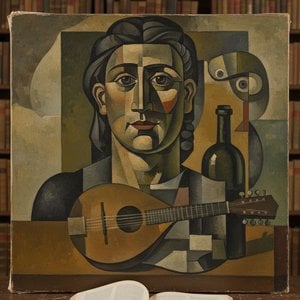
- Ключові роботи: Будинки в Л'Естак, Терпіння, Скрипка та палітра, Мандола
- Вплив на історію мистецтва: Революціонізував мистецтво XX століття через кубізм; кинув виклик традиційним уявленням про перспективу та репрезентацію.



 Переглянути в інтер'єрі
 Купити картину ручної роботи
 Надіслати
 Поділитися
 Деталі
 Посібник

 Завантажити
 Схожі предмети колекціонування
 Рентгенівське дослідження
 Слайд-шоу
 Статистика переглядів


 Читати далі






































 Скляний варіант доступний лише для розмірів до 110 см