


 Oil On PanelNeoclassicism
 1781Early Modern
 70.0 x 53.0 cm
Музейна якість друку جيкле або на полотні з оперативним виготовленням та різноманітними варіантами фінішної обробки. ( Замовити репродукцію ручної роботи Купити цифрове зображення)





























Обирайте з наших стандартних розмірів, що відповідають оригінальним пропорціям твору мистецтва.

Ви можете вказати власні розміри, щоб репродукція ідеально підійшла до конкретної рами або інтер'єру. Якщо обраний вами розмір не відповідає пропорціям оригіналу, ми або обріжемо полотно, або розширимо зображення за допомогою дзеркального відображення чи суцільної заливки країв. Перед початком виробництва вам буде надіслано цифровий макет для затвердження.
Будь ласка, зверніть увагу, що попередній перегляд на екрані не відображає фактичне обрізання або розширення. Тільки макет точно покаже фінальну композицію.
Хоча можливість замовлення індивідуальних розмірів доступна, ми рекомендуємо обирати формат із попередньо визначеного списку, щоб зберегти оригінальні пропорції.
Доставка по всьому світу () за 2 тижні замість стандартних 4/5 тижнів. (6 Вересень)


George Stubbs
Розмір репродукції
In the quiet intimacy of this 1781 portrait, we are invited to step back into the refined atmosphere of the late Georgian era. The painting presents us with a gentleman of profound presence, his visage framed by the characteristic white wig and meticulously groomed beard that defined the dignity of his age. There is an immediate, palpable sense of intellectual weight in the way he holds a book or a sheaf of papers—a subtle yet powerful symbol of literacy, law, or perhaps scientific inquiry. The artist captures not just a likeness, but a moment of contemplative stillness, where the subject seems caught between the act of reading and a direct, piercing engagement with the viewer. This sense of connection is deepened by the dark, enveloping background, which pushes the figure forward, making his pale features and textured attire appear almost luminous against the shadows.
The technique employed in this work speaks to the mastery of George Stubbs, an artist whose name is synonymous with anatomical precision and a profound understanding of form. While many recognize him for his legendary equine studies, this portrait reveals his ability to translate human character through delicate brushwork and a sophisticated command of light. The play of light across the folds of his suit and the subtle textures of his wig demonstrate a painterly skill that prioritizes realism without sacrificing the soft, atmospheric quality essential to 18th-century portraiture. Every stroke serves to build volume, giving the man a three-dimensional vitality that makes him feel less like a historical relic and more like a living, breathing witness to his time.
To possess or display a reproduction of this piece is to bring a fragment of Enlightenment history into a contemporary space. The painting serves as a bridge between the rigorous scientific curiosity of the 1780s—an era defined by anatomical study and the pursuit of knowledge—and the aesthetic elegance of classical portraiture. For the discerning collector or interior designer, this artwork offers more than mere decoration; it provides a focal point of intellectual gravity. Its muted palette and dramatic chiaroscuro allow it to integrate seamlessly into sophisticated, traditional interiors, yet its striking subject matter ensures it remains a conversation piece in modern, minimalist settings.
The emotional impact of the work lies in its quietude. In an age of digital noise, there is something deeply restorative about the steady, unwavering gaze of this gentleman. It evokes a sense of permanence and tradition, reminding us of a period when art was used to capture the very essence of human dignity and the pursuit of wisdom. Whether placed in a private library, a formal study, or an elegant living area, this hand-painted tribute to George Stubbs’s skill continues to resonate with anyone who finds beauty in the intersection of historical truth and artistic grace.

George Stubbs (1724–1806), a celebrated English painter, was born on August 25, 1724, in Liverpool, United Kingdom. His early life remained largely undocumented until the age of 35, with most information gleaned from Ozias Humphrey’s memoirs, based on conversations with Stubbs himself in 1794. Stubbs embarked upon his artistic journey at the tender age of fifteen, initially apprenticed to his father, a currier or leather-dresser—a craft deeply rooted in the traditions of Lancashire.
He subsequently sought guidance from Hamlet Winstanley, another prominent painter and engraver residing in Lancaster. This brief apprenticeship provided him with invaluable exposure to the artistic collections housed at Knowsley Hall, fostering his burgeoning fascination for anatomical studies and shaping his future artistic vision.
Stubbs’s unwavering dedication to anatomy propelled him to York in 1744, where he enrolled under the tutelage of surgeon Charles Atkinson at York County Hospital. This formative experience solidified his understanding of human musculature and skeletal structure—knowledge that would prove instrumental in his groundbreaking artistic endeavors.
One of Stubbs’s earliest surviving achievements was a set of illustrations commissioned for John Burton's textbook on midwifery, published in 1751. These meticulous depictions showcased his burgeoning skill in capturing precise anatomical details, demonstrating an early commitment to scientific accuracy alongside artistic expression.
Recognizing the transformative potential of dissection, Stubbs undertook a monumental undertaking: spending eighteen months meticulously dissecting horses—a practice considered controversial at the time—assisted by his wife, Mary Spencer. This ambitious project culminated in the publication of *Anatomy of the Horse* in 1766, featuring original drawings now residing within the Royal Academy’s collection—a testament to Stubbs's pioneering spirit and unwavering pursuit of artistic excellence.
Soon after, Stubbs attracted the patronage of influential aristocratic figures, notably the Third Duke of Richmond, who entrusted him with three monumental paintings in 1759. This commission marked a pivotal moment in Stubbs’s career, establishing him as a leading artist of his era and securing commissions from numerous dukes and lords throughout England.
Ultimately, Stubbs purchased a grand house in Marylebone, London—a symbol of his success and recognition—further cementing his legacy as one of the most significant painters of the eighteenth century.
Stubbs’s magnum opus, *Whistlejacket*, commissioned by the Second Marquess of Rockingham, stands apart from its contemporaries. Unlike many artists of his time who favored serene landscapes or idealized portraits, Stubbs deliberately opted for a starkly minimalist background—a bold stylistic choice that underscored the central subject: a thoroughbred racehorse elevating its hind legs in an unprecedented display of movement and dynamism.
This painting exemplifies Stubbs’s unparalleled ability to convey not merely visual representation but also emotional resonance. It captures the raw energy and primal instinct of the animal kingdom, reflecting the burgeoning Romantic sensibility that characterized the period.
Alongside *Whistlejacket*, Stubbs produced a series of captivating paintings depicting a lion attacking a horse—a dramatic confrontation rendered with breathtaking realism and psychological depth. These works are considered among the earliest examples of Romantic art, demonstrating Stubbs’s profound influence on subsequent generations of artists.
George Stubbs's contribution to British art is undeniable. His meticulous anatomical studies combined with his masterful depictions of animals—particularly horses—established him as a visionary artist who challenged conventions and elevated the genre of animal portraiture to new heights. His legacy continues to inspire awe and admiration, ensuring that Stubbs’s remarkable oeuvre remains accessible to scholars and enthusiasts alike.

1724 - 1806 , Великобританія

Discover the profound allure of oil on canvas. Explore the mastery of impasto textures, the science of pigment longevity, and expert guides to selecting museum-quality reproductions that elevate your collection with timeless elegance and tactile depth.

Discover the enduring allure of oil on canvas. Explore how master techniques like impasto and glazing create the depth, texture, and emotional resonance found in the world's greatest masterpieces. An essential guide for fine art enthusiasts and discerning collectors.

Discover the enduring allure of hand-painted oil reproductions. WahooArt offers museum-quality, archival masterpieces designed for discerning collectors seeking timeless beauty and a lasting legacy. Invest in fine art that transcends generations with our expert craftsmanship.
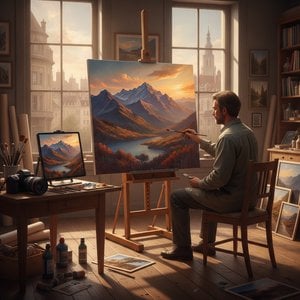
Discover the exquisite journey of transforming digital photography into bespoke oil masterpieces. Experience unparalleled craftsmanship with hand-painted reproductions that bridge modern memories and timeless fine art excellence.

 Переглянути в інтер'єрі
 Надіслати як листівку
 Поділитися
 Детальніше

 Завантажити
 Схожі експонати
 Рентгенівське дослідження
 Слайд-шоу
 Читати далі







 Скляний варіант доступний лише для розмірів до 110 см


