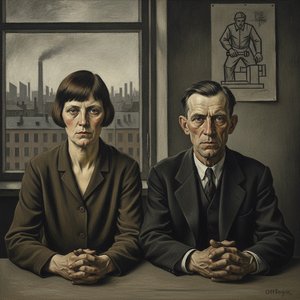
A Satirist of Shattered Worlds: The Life and Art of George Grosz
George Grosz, народжений Георгом Енріком Грос від Гольц в Берліні 1893 року, був візуальним хронікалером соціального розкладу та політичних зривів. Його мистецтво не було просто *про* його час – бурхливої Веймарської республіки та підйому фашизму – воно було гострим реакційним вираженням, лютим засудженням, зображеним химерними лініями та моторошними карикатурами. Грос не просто зображував Берлін; він розрізав його, викриваючи моральну гниль з безкомпромісною чесністю. Ранні роки його життя були позначені нестабільністю після смерті батька, подія, яка підштовхнула його матір до управління офіцерською їдальнею, розміщуючи молодого Георга серед світу прусського мілітаризму та жорстких соціальних ієрархій – світу, який він пізніше безжально сатиризував. Його формальна художня освіта почалася з ретельної копії традиційних голландських майстрів, таких як Едуард фон Грутнер, відточуючи технічну майстерність перед тим, як відкинути академічні конвенції на більш провокаційний шлях. Ця рання дисципліна, однак, забезпечила основу для побудови його унікального виразного стилю.
Dada, New Objectivity, and the Birth of a Critical Vision
Мистецьке розгортання Гроза нерозривно пов’язане з авангардними рухами, які процвітали в післявоєнній Німеччині. Він став центральною фігурою у берлінському Дадаїзмі, прийнявши нігілістичний дух і антиустановий запал. Однак, на відміну від деяких його дадаїстських колег, які насолоджувалися чистою абсурдною красою, Грос направив енергію бунту Дада в спрямовані соціальні коментарі. Його роботи того періоду – твори, як-от *The Pit* (1921) та *The Pillars of Society* (1926) – є суворими засудженнями німецької буржуазії, військової еліти та корумпованої політичної системи, яка призвела націю до катастрофи. Йому не було цікава естетична краса; він шукав шоку, провокування та викриття лицемірства. Ця відданість соціальній критиці еволюціонувала в його участь у *Neue Sachlichkeit* (New Objectivity), русі, що характеризувався реалістичним, але неемоційним зображенням сучасного життя. Хоча він поділяв фокус New Objectivity на реальність, Грос наситив її унікальним гострим сатирою, який відрізняв його від інших художників, пов’язаних з групою. Його картини та малюнки не були просто представленнями реальності; вони були спотвореними відображеннями суспільства, що наближається до колапсу.
Exile and Transformation: A New World, A Shifting Style
Підйом нацизму змусив Гроза виїхати в 1933 році. Він знайшов притулок у Сполучених Штатах, отримавши статус натуралізованого громадянина в 1938 році. Це переміщення позначило значну зміну в його мистецькій кар’єрі. Відірвавшись від контексту, який підживлював його найпотужніші роботи, і стикнувшись з іншими соціальними та політичними реаліями, стиль Гроза почав змінюватися. Надмірно агресивні карикатури поступилися місцем більш стриманим пейзажам і портретам, часто сповненим меланхолії та розчарування. Хоча він продовжував виставляти та викладати в Художніх школах Нью-Йорка, його роботи не мали того ж гострого імпульсу, що й у берлінський період. Він боровся знайти своє місце в новій обстановці, боронячись з почуттями відчуження та художньою невизначеністю. Апокаліптичні бачення, які виникли під час цього часу – картини, зображають пусті ландшафти та розірвані фігури – відображали не лише жахи, що розгорталися в Європі, але й його власну внутрішню боротьбу.
Legacy and Enduring Relevance
Грос повернувся до Берліна в 1959 рік, незабаром перед своєю смертю, проникливо повернувшись до міста, яке і надихало, і переслідувало його. Його спадщина далеко не обмежується історичним контекстом Веймарської Німеччини. Він залишається потужним прикладом художника, який сміливо зіткнувся з незручними істинами та кинув виклик соціальним нормам. Його мистецтво служить попереджувальним дзвінком про небезпеки політичної екстремізму, соціальної несправедливості та необмеженої влади.
- Сатирична сила: Майстерне використання карикатури Грозом продовжує надихати художників і аналітиків сьогодні.
- Соціальний коментар: Його безкомпромісний критичний погляд на соціальні проблеми залишається вражаюче актуальним у світі, який все ще бореться з нерівністю, корупцією та політичною поляризацією.
- Історична свідчення: Його мистецтво надає безцінні відомості про соціальний і політичний клімат міжвоєнної Німеччини, пропонуючи відчутне розуміння сил, які призвели до Другої світової війни.
Вплив Гроза можна побачити в роботах багатьох художників, що наслідували, тих, хто був приваблений його відданістю соціальній залученості та готовністю використовувати мистецтво як зброю проти несправедливості. *Він не був просто художником; він був свідком, моральним компасом і наполегливим критиком свого часу – роль, яка продовжує резонувати з аудиторією сьогодні.* Його картини зберігаються в провідних музеях світу, включаючи Kunstsammlungen und Museen Augsburg, Kunsthalle Bielefeld та Музей мистецтва імені Вітні в Нью-Йорку, гарантуючи, що його потужний меседж буде почутий поколіннями.



 Переглянути в інтер'єрі
 Перейти до друку
 Надіслати як листівку
 Поділитися
 Детальніше

 Завантажити
 Схожі експонати
 Рентгенівське дослідження
 Слайд-шоу
 Статистика

 Читати далі






































 Скляний варіант доступний лише для розмірів до 110 см