Переглянути в інтер'єрі Примірка в AR Перейти до друку Купити картину ручної роботи Надіслати
Деталі Посібник Додати до улюблених Завантажити Схожі предмети колекціонування Рентгенівське дослідження Слайд-шоу Статистика переглядів

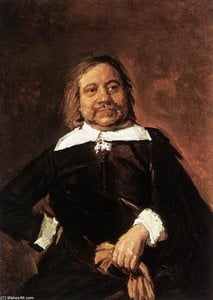
Petrus Scriverius

Admire 'Petrus Scriverius' by Frans Hals – a captivating 1626 portrait showcasing the scholar’s dignified presence. Explore Haarlem’s Golden Age art with this remarkable piece.

Франс Гальс – видатний голландський художник епохи Золотого віку, відомий своїми живописними портретами та жанровими сценами. Його унікальний стиль з експресивними мазками та здатною передавати характер персонажів захоплює глядачів! #ФрансГальс #ГолландськеМистецтво

Придбайте цифрову копію високої роздільної здатності з покращеною якістю, що значно перевершує онлайн-перегляд.

Кожен файл ретельно підготовлений нашими фахівцями за допомогою сучасних інструментів та професійної ручної ретуші. Ми гарантуємо виняткову чіткість, точну передачу кольору та високу деталізацію кожного зображення.

Фінальний файл надсилається електронною поштою протягом 72 годин і оптимізований для негайного використання у професійних виданнях та друкованих матеріалах. Таку якість обирають провідні дизайнерські студії, видавництва та галереї.

Цифрове зображення

Завантажте файл високої роздільної здатності для особистого використання, друку та творчих проєктів. ( Перейти до друку Купити картину ручної роботи)

Загальна вартість

$ 24,90

Що входить у кожне замовлення цифрових зображень

Експертна цифрова доставка з гарантією якості

Обираючи WahooArt.com, ви отримуєте не просто зображення — ви отримуєте професійно вдосконалений цифровий витвір мистецтва, створений з надзвичайною точністю та підкріплений гарантією задоволення. Ось усе, що автоматично додається до вашого замовлення:

shipping_icon
Швидка доставка на email

Ваш цифровий файл із зображенням високої роздільної здатності буде надісланий вам електронною поштою протягом 72 годин після оформлення замовлення — він буде готовий до негайного використання.

canvas_icon
Цифровий файл із покращенням ШІ

Ваш витвір мистецтва професійно оптимізовано за допомогою передових інструментів штучного інтелекту та ручної корекції, що забезпечує максимальну деталізацію, чіткість і точність передачі кольорів.

insurance_icon
Безкоштовне повторне завантаження назавжди

Випадково видалили або втратили файл? Не хвилюйтеся — ми надішлемо його вам повторно в будь-який час безкоштовно.

tax_icon
Без митних зборів — завжди

Насолоджуйтесь вашим витвором мистецтва миттєво без жодних мит, зборів або плати за доставку — цифрові завантаження завжди не оподатковуються.

color_icon
Гарантія точності кольорів

Ми гарантуємо максимально точне відтворення оригінальних кольорів на вашому цифровому зображенні завдяки використанню професійних інструментів та систем управління кольором.

return_icon
100-денна гарантія задоволення клієнта

Якщо ви не задоволені придбаним цифровим зображенням, ми внесемо правки або повернемо 100% вартості протягом 100 днів — без зайвих запитань.

guarantee_icon
Гарантія повернення 100% коштів

Незадоволені покупкою? Отримайте повне повернення коштів протягом 100 днів після отримання цифрового файлу — без зайвих запитань.

discount_icon
Знижки на оптові замовлення

Купуйте 3 зображення — заощаджуйте 10% — Купуйте 5 — заощаджуйте 15% — Купуйте 10+ — заощаджуйте 20%. Чудово підходить для творчих проєктів, галерей та агентств.

Короткі факти

  • Location: Metropolitan Museum
  • Year: 1626
  • Title: Petrus Scriverius
  • Medium: Oil on panel
  • Notable elements: Illusionistic framing
  • Artistic style: Baroque Portraiture
  • Subject: Portrait of a man

Тест на знання мистецтва

У кожному запитанні лише одна правильна відповідь.

Запитання 1:
What is the primary subject depicted in Petrus Scriverius?
Запитання 2:
According to the description, what is notable about the framing of the portrait?
Запитання 3:
What historical context is mentioned regarding the portrait and its creation?
Запитання 4:
Who painted the portrait 'Petrus Scriverius'?
Запитання 5:
What does the inscription on the tablet below the portrait suggest about Petrus Scriverius?

A Portrait of Quiet Dignity: Petrus Scriverius by Frans Hals

Frans Hals’s “Petrus Scriverius,” painted in 1626, isn't merely a likeness; it’s a carefully constructed tableau of intellect, status, and the subtle pleasures of scholarly life. This intimate portrait, rendered in Hals’s signature loose brushwork and vibrant palette, offers a rare glimpse into the world of a Dutch humanist – a man who valued learning, refinement, and the quiet dignity of intellectual pursuits. The painting immediately draws the viewer in with its direct gaze; Scriverius meets the eye with an air of thoughtful composure, his expression hinting at both wisdom and a touch of wry amusement.

Hals’s masterful technique is evident in every detail. Note the remarkable rendering of texture – the heavy velvet of his coat, the intricate weave of his wig, the subtle sheen on his hands resting upon a book. The artist employs a technique known as “stiacciato,” building up layers of paint to create a sense of depth and volume, particularly noticeable in the folds of the fabric. The background is deliberately blurred, directing all attention onto Scriverius himself – a deliberate choice that emphasizes his importance within the composition. Hals’s use of light and shadow further enhances the portrait's realism, creating a three-dimensional effect that invites close inspection.

A Scholar’s World: Context and Symbolism

Painted during the Dutch Golden Age, “Petrus Scriverius” reflects the burgeoning intellectual climate of the time. The Netherlands was experiencing a remarkable cultural renaissance, fueled by trade, exploration, and a renewed interest in classical learning. Humanist ideals – emphasizing reason, ethics, and the study of the humanities – were gaining traction, and figures like Scriverius played a vital role in preserving and disseminating knowledge. The inclusion of the book is paramount; it’s not just an object but a symbol of Scriverius's identity—a scholar immersed in the world of letters.

Beyond the obvious symbolism of learning, subtle details reveal deeper layers of meaning. The gloves he holds are a clear indicator of his social standing and gentlemanly bearing – a marker of respectability within the Dutch society of the era. The carefully arranged setting—a simple, yet elegant interior—suggests a private study, a space dedicated to contemplation and intellectual work. Even the muted colors contribute to the overall mood: they evoke a sense of quiet sophistication and understated elegance.

Marriage Pendant & The Artist’s Signature

This portrait is part of a pair – a marriage pendant – alongside its counterpart depicting Scriverius's wife, Anna van der Aar. Hals frequently created these paired portraits, often presenting them as gifts to commemorate significant milestones in the couple’s lives, particularly their 25th wedding anniversary. This pairing underscores the importance of family and domestic life within the broader context of intellectual pursuits. The composition itself—the figures closely positioned together—suggests a deep connection between husband and wife, further enriching the portrait's narrative.

Interestingly, the painting is monogrammed with “PH,” indicating Frans Hals’s signature. This subtle detail serves as a testament to the artist’s pride in his work and reinforces the importance of this particular commission. The fact that these portraits were retained as family keepsakes speaks volumes about their enduring value and the affection they inspired.

A Timeless Portrait: Emotional Impact & Reproduction

“Petrus Scriverius” transcends a simple likeness; it’s a powerful evocation of intellect, dignity, and quiet contemplation. Hals masterfully captures not just Scriverius's physical appearance but also his inner character—his intelligence, his composure, and perhaps even a hint of melancholy. The painting invites the viewer to step into Scriverius’s world, to share in his intellectual pursuits, and to appreciate the beauty of a life dedicated to learning.

WahooArt offers meticulously crafted reproductions of this iconic masterpiece, allowing you to bring its timeless elegance into your home or office. Our high-quality prints capture the nuances of Hals’s brushwork and color palette with exceptional fidelity, ensuring that you experience the full emotional impact of this remarkable portrait. Whether you are an art enthusiast, a collector, or simply seeking a piece of history to adorn your space, a reproduction of “Petrus Scriverius” is sure to be a treasured addition to your collection.


Біографія митця

Frans Hals I: Dutch Golden Age Master of Portraiture & Genre Scenes

Frans Hals I was a Dutch painter born in Antwerp, Belgium, around 1580. Though his early life remains somewhat shrouded in mystery, he rose to become one of the most important figures of the Dutch Golden Age, celebrated for his innovative portraiture and genre scenes—a period marked by unprecedented artistic creativity and cultural flourishing.

Early Life and Training

Information about Hals’s formative years is scarce; however, it's believed he received initial artistic training in Antwerp, a vibrant hub for painting during his time. The city was experiencing significant religious upheaval following the Eighty Years’ War, impacting daily life and shaping artistic sensibilities. Despite these challenges, Hals’s family relocated to Haarlem in the Netherlands shortly after 1585—a move that would prove pivotal to his career trajectory. He joined the Haarlem Guild of St. Luke in 1610, formally establishing himself as a professional artist and immersing himself within the established artistic community.

Artistic Style and Development

Hals distinguished himself through an astonishingly fresh and spontaneous style—a radical departure from many of his contemporaries who prioritized meticulous detail. Instead, he embraced a loose and expressive brushstroke, injecting his paintings with palpable energy and capturing the essence of his subjects’ personalities in ways that were revolutionary for the era. This technique wasn't merely about accuracy; it was about conveying emotion and immediacy—a hallmark of Hals’s artistic vision.
  • He skillfully rendered figures as they appeared in fleeting moments – bursts of laughter, animated conversation, or contemplative contemplation.
  • Hals’ masterful manipulation of light and shadow created dramatic depth and heightened the emotional impact of his compositions.
His approach challenged conventional artistic norms, prioritizing psychological insight over mere visual representation. He drew inspiration from Flemish masters like Anthony van Dyck, but ultimately forged a unique path—one that prioritized capturing the spirit of human experience.

Notable Works

Hals produced an impressive repertoire of paintings spanning portraiture and genre scenes alike. Among his most iconic creations are:
  • The Laughing Cavalier (1624):
  • This masterpiece exemplifies Hals’s ability to convey character and movement with breathtaking realism. The subject's joyous expression—captured with remarkable vibrancy—is a testament to Hals’s unparalleled skill in portraying human emotion.
  • Malle Babbe (c. 1633-1635):
  • This striking portrait depicts an elderly woman with profound dignity and vulnerability. Hals’s meticulous attention to detail—particularly the depiction of wrinkles and skin texture—reveals his mastery of capturing age and conveying psychological complexity.
  • Portraits of the Regents of the Old Men's Home in Haarlem (1664):
  • This monumental group portrait showcases Hals’s exceptional talent for portraying multiple figures simultaneously while maintaining a sense of unity and atmosphere. The painting captures the quiet contemplation of its subjects—a poignant reflection on human experience.
Beyond portraits, Hals created captivating genre scenes that offered glimpses into daily life in Haarlem during his time—scenes brimming with warmth, humor, and authentic observation.

Influences and Legacy

Determining Hals’s precise influences is difficult due to the artist's distinctive style; however, he undoubtedly absorbed elements from earlier Flemish painters like Pieter Bruegel the Elder, whose depictions of rural life resonated deeply within Hals’ artistic sensibilities. His groundbreaking technique—characterized by its loose brushwork and focus on capturing psychological nuance—influenced subsequent generations of artists.
  • Artists such as Adriaen Brouwer and Johannes Vermeer admired Hals's approach to portraying human emotion and capturing the atmosphere of everyday life.
  • Hals’s legacy extends beyond individual paintings; he fundamentally reshaped Dutch artistic conventions, paving the way for a more expressive and psychologically informed style that would endure throughout the Baroque period.
His work continues to inspire artists today—a testament to his enduring contribution to art history. Hals's paintings reside in prominent museums worldwide, including the Frans Hals Museum in Haarlem, where they stand as beacons of Dutch artistic excellence.
Франс Гальс І

Франс Гальс І

1580 - 1585 , Бельгия

Коротко про автора

  • Artistic Movement Or Style: Золотий вік Нідерландів
  • Artists Or Movements Influenced By This Artist:
    • Адріан Брювер
    • Йоганнес Вермер
  • Artists Who Influenced This Artist: ['Пітер Брюгель Старший']
  • Date Of Birth: Прибл. 1580 р.
  • Date Of Death: 26 серпня 1666 р.
  • Full Name: Франс Гальс І
  • Nationality: Нідерландський
  • Notable Artworks:
    • Сміючий лицар
    • Малле Баббе
  • Place Of Birth: Антверпен, Бельгія