Життя, занурене у відчуття
Френсіс Бекон, ім'я якого стало синонімом найглибшої емоційності в мистецтві XX століття, народився 28 жовтня 1909 року в Дубліні, Ірландія. Проте справжнє художнє самовираження він знайшов у бурхливому ландшафті повоєнної Британії. Його раннє життя було далеким від стабільності; часті переїзди через проблеми зі здоров’ям матері прищепили відчуття розгубленості, яке глибоко вплинуло на його світогляд і зрештою просочилося в його полотна. Складні стосунки з суворим батьком та тісний зв'язок із нянею Джессі Лайтфут ще більше забарвили емоційний світ його юності. Спочатку Бекона приваблювали перегони коней і життя, сповнене азартних ігор, він блукав різними професіями, перш ніж остаточно віддатися живопису наприкінці двадцятих років – пізній старт, який, можливо, посилив терміновість та інтенсивність його подальшої роботи. Він не отримав формальної освіти, натомість проклавши власний шлях, вбираючи впливи з різних джерел і розробляючи унікально тривожну візуальну мову.
Формування унікального стилю: спотворення та ізоляція
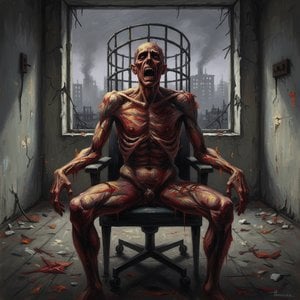
Прорив Бекона відбувся з *Триптихом для фігур біля хреста* (1944), робота, яка шокувала і захопила публіку в повоєнному Лондоні. Цей триптих встановив його фірмовий стиль – спотворені, фрагментовані фігури, ізольовані у клаустрофобних просторах. Це були не зображення релігійного мучеництва, а скоріше відчутні дослідження людських страждань, позбавлені будь-якого заспокійливого наративу чи духовної втіхи. Його картини часто містять розмиті або зникаючі форми, що передають почуття психологічної турбулентності та фізичної вразливості. Він часто використовував геометричні структури – клітки, коробки – щоб обмежити своїх персонажів, підкреслюючи їхню ізоляцію та безсилля. Палітра Бекона зазвичай була приглушеною і похмурою, що відображало темні теми, які він досліджував, хоча й доповнювалася спалахами інтенсивного кольору, які підсилювали емоційний вплив. Використання цих кліток було не лише композиційним прийомом; воно символізувало внутрішні обмеження та обмеження, накладені на людське існування. Він прагнув зафіксувати не тільки *як* виглядають речі, але й *як вони відчуваються*, переносячи внутрішні стани тривоги, страху та відчаю на полотно з брутальною чесністю.
Теми смертності, муки та людської природи
Протягом своєї плідної кар’єри Бекон неодноразово повертався до певних мотивів: розп'яття як символ страждань; портрети, які заглиблювалися в психологічну інтенсивність його об’єктів, часто друзів та коханих, таких як Джордж Даєр; і автопортрети, що служили інтроспективними дослідженнями ідентичності та смертності. Його серія *Дослідження за портретом Папи Інокентія X Веласкеса* (1953) є, можливо, одним з його найзначніших досягнень, перетворюючи гідний портрет Веласкеса на мучного привида, що втілює екзистенційний жах. Портрети Джорджа Даєра, його неспокійного коханого, особливо зворушливі, передаючи як інтенсивність їхнього зв’язку, так і навислу тінь трагедії. Робота Бекона була не про зображення конкретних людей; вона стосувалася дослідження універсальних тем людської вразливості, ізоляції та неминучості смерті. Він не уникав темніших аспектів існування, а навпаки, сміливо протистояв їм, змушуючи глядачів зіткнутися зі своєю власною смертністю та тривогою.
Спадщина: виклик конвенціям
Вплив Френсіса Бекона на мистецтво XX століття незаперечний. Він кинув виклик традиційним уявленням про репрезентацію, відкинувши ідеалізовану красу на користь сирого, нещадного зображення людської природи. Його робота глибоко вплинула на покоління художників, відкриваючи шлях новим формам самовираження та кидаючи виклик загальноприйнятим мистецьким межам.
- Повоєнний експресіонізм: Бекон вважається ключовою фігурою в цьому русі, впливаючи на художників своїм сміливим стилем і психологічною глибиною.
- Аукціонні рекорди та музейні виставки: Його картини продовжують досягати високих цін на аукціонах і демонструються у великих музеях по всьому світу, зміцнюючи його місце в історії мистецтва.
- Протистояння правді: Спадщина Бекона полягає в його здатності протистояти незручним істинам про людське існування та перетворювати ці переживання на потужні незабутні образи.
Незважаючи на бурхливе особисте життя, позначене азартними іграми, пияцтвом і складними стосунками, він залишався відданим своєму мистецтву до самої смерті в 1992 році. Він залишив після себе творчий спадок, який продовжує знаходити відгук у сучасній аудиторії, нагадуючи нам про крихкість існування та непереборну силу мистецтва протистояти темним куточках людської душі. Його картини – це не просто образи; це відчутні переживання – свідчення здатності мистецтва провокувати, турбувати і зрештою просвітлювати складність буття.



 Переглянути в інтер'єрі
 Перейти до друку
 Надіслати як листівку
 Поділитися
 Деталі витвору
 Посібник

 Завантажити
 Схожі екземпляри
 Рентгенівське дослідження
 Слайд-шоу
 Q&A
Q&A Статистика

 Розгорнути текст






































 Скляний варіант доступний лише для розмірів до 110 см