Друк جيкле або на полотні музейної якості з оперативним виготовленням та різноманітними варіантами фінішної обробки. ( Замовити картину ручної роботи Перейти до цифрових зображень)





























Обирайте з наших стандартних розмірів, що відповідають оригінальним пропорціям твору мистецтва.

Введіть необхідну ширину та висоту, щоб принт ідеально підійшов до вашої рами або стіни. Принт можна лише обрізати, але не можна зробити більшим за оригінал, тому при зміні пропорцій частина зображення буде втрачена. Перед друком ми надсилаємо вам цифровий макет для затвердження. Зображення на цій сторінці не відображає реальну обрізку — її можна побачити лише на макеті.
Доставка по всьому світу () за 2 тижні замість стандартних 4/5 тижнів. (23 Листопад)
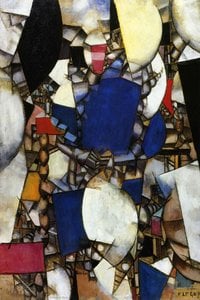
Three Characters
Розмір репродукції
У творі «Three Characters» роботи Фернан Леже спостерігається Опис контраст між світлими та темними ділянками.
«Three Characters» належить до епохи — Модерн.
«Three Characters» роботи Фернан Леже було створено у 1924 році.


Відкрийте для себе 10 шедеврів мистецтва, що передають дух індустріальної епохи! Дізнайтесь історії Моне, Піссаро та інших художників. Репродукції картин в стилі лофт – ідеальний декор для вашого дому від WahooArt.

Master the integration of abstract textures with luxury finishes. Our expert guide for hotel designers explores matching impasto art with premium furniture to create seamless, high-end hospitality interiors through professional procurement and scale management.

Explore the revolutionary world of Cubism with WahooArt. Discover Picasso & Braque's groundbreaking techniques, its philosophical roots, and lasting impact on modern art. Expert insights for collectors.
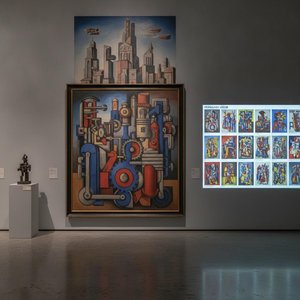
Immerse yourself in the vibrant world of Fernand Léger. Explore 25 iconic masterpieces of Cubism and Tubism, from bold geometric forms to machine-age energy. Find inspiration for your decor with museum-quality reproductions. Discover all masterpieces on WahooArt.com.

Дослідіть силу емоційної трансмутації у візуальному мистецтві! Аналіз кольору, форми та текстури для глибокого розуміння афективної репрезентації. Експертні статті для колекціонерів та поціновувачів.
 Переглянути в інтер'єрі

 Надіслати як листівку
 Поділитися
 Деталі витвору
 Посібник


 Завантажити
 Схожі екземпляри
 Рентгенівське дослідження
 Слайд-шоу
 Питання та відповіді

 Статистика


 Розгорнути текст









 Скляний варіант доступний лише для розмірів до 110 см