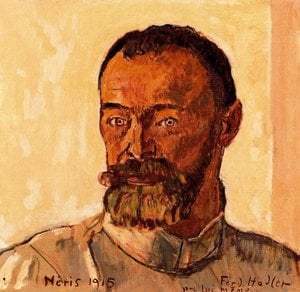
A Life Etched in Symbolism: The World of Ferdinand Hodler
Ferdinand Hodler, ім’я якого нерозривно пов’язане з ландшафтом швейцарського живопису та потужною мовою символізму, піднявся від скромних початків до одного з найзначніших митців кінця 19-го та початку 20-го століть. Народившись у Берні, Швейцарія, в 1853 році, його життя глибоко сформувалося раннім втратою – повторювана тема, що пронизала його мистецьке бачення. Нещаслива смерть батька та двох молодших братів до того, як йому виповнилося десять років, кинула довгий тінь, інстингтивно налаштувавши його на глибоке роздуми про смертність і швидкоплинність існування. Ці переживання, переплетені з гострим відчуттям краси та сили природи, стали центральними принципами його еволюційної творчості. Спочатку працюючи декоративним живописцем, Hodler’s талант швидко виходив за рамки простого майстерства; він прагнув до формального навчання та мистецького дослідження за межами комерційних обмежень. Ця амбіція привела його до Женеви в 1871 році, де він повністю поринувся у навчання, відвідуючи лекції з науки поряд із ретельним копіюванням шедеврів у міському музеї – суворе виховання, яке заклало фундамент для його майбутніх інновацій.
Від Реалізму до ‘Паралелізму’: Формування Унікальної Візії
Мистецький шлях Hodler характеризувався постійною еволюцією та наполегливим прагненням до виразності. Його ранні роботи відображали домінувальний реалістичний стиль того часу – портрети, пейзажі та жанрові сцени, виконані з ретельною деталізацією. Однак він швидко знайшов себе обмеженим цими конвенціями, прагнучи передати глибші емоційні істини та філософські ідеї. Цей пошук привів його до символізму, руху, який відкидав натуралістичне представлення на користь суб’єктивного досвіду та виразних образів. Проте Hodler не просто прийняв положення символізму; він створив власний унікальний шлях, розробивши те, що він назвав “паралелізмом”. Цей характерний стиль передбачав розташування фігур і форм у ритмічних, майже геометричних візерунках, створюючи відчуття як гармонії, так і напруги – візуальне відображення взаємопов’язаності. Це був спроба не просто показати *що* він бачив, а *як* він почувається – підпорядковані потоки емоцій, які пов’язують усі речі.
Ніч (1890 рік), стала ключовою роботою, що остаточно визначила його перехід до символістичних образів і викликала значну критику з боку глядачів, оскільки зображувала лежачих фігур, натякаючи на смерть та спокій. Незважаючи на початковий скепсис, картина привернула увагу в Парижі, встановивши репутацію Hodler’s за межами Швейцарії та сигналізуючи про появу справді оригінального голосу.
Земельні Мітки: Ключові Роботи та Їх Значення
Протягом своєї багатообіцяючої кар'єри Hodler створив вражаюче тіло робіт, яке й досі резонує з аудиторією сьогодні.
День (1893 рік) вважається одним із його найамбіційніших і найшанованіших досягнень – грандіозний історичний живопис, який демонстрував його майстерність композиції та символізму. Розміщений у Художньому музеї Цюріха, ця робота є потужною роздумою про життя, смерть і відродження, виконану з захоплюючим поєднанням реалізму та візіонерської інтенсивності. Велич і емоційний вагу
Дня зміцнили положення Hodler як одного з провідних митців Європи. Інші значущі роботи включають численні зображення швейцарських Альп, наповнені відчуттям захоплюючої величі, та портрети, які виявляли його глибоке розуміння людської психології. Він часто повертався до тем втрати та скорботи, можливо, відображаючи власні дитячі травми, але завжди наповнював їх відчуттям гідності та стійкості. Його картини не були просто зображеннями; це були емоційні ландшафти, запрошуючи глядачів замислитися над фундаментальними питаннями існування. Роботи, такі як
Істина II (1897 рік), демонструють здатність Hodler поєднувати класичні форми з сучасними тенденціями, створюючи образи, які є одночасно вічними та вражаюче актуальними – свідчення його інноваційного духу.
Спадщина: Вплив і Історичний Контекст
Вплив Фердинанда Hodler простягався далеко за межі Швейцарії. Його новаторський використання символізму та розробка “паралелізму” відкрили шлях для експресіонізму, з його акцентом на суб’єктивну емоцію та спотворені форми. Митці, які слідували за ним, визнавали його попередником своїх власних досліджень внутрішнього досвіду. Роботи Hodler також резонували з ширшими культурними потоками кінця 19-го та початку 20-го століть – періоду, що характеризувався швидкими соціальними змінами, науковими досягненнями та зростаючим відчуттям екзистенційної тривоги. Його картини пропонували візуальну мову для розв’язання цих складних питань, надаючи розраду та розуміння в світі, що стає все більш невизначеним. Сьогодні роботи Hodler зберігаються у великих музеях Європи та за її межами, гарантуючи, що його мистецьке бачення продовжує надихати та кидати виклик поколінням глядачів. Він залишається величним фігурою в історії швейцарського живопису, визнаний не лише за свою технічну майстерність, але й за його глибокий емоційний глибину та непохильну відданість дослідженню таємниць людської природи.
Дослідження Hodler Більш Уважно



 Переглянути в інтер'єрі
 Купити картину ручної роботи
 Надіслати
 Поділитися
 Деталі
 Посібник

 Завантажити
 Схожі предмети колекціонування
 Рентгенівське дослідження
 Слайд-шоу
 Статистика переглядів


 Читати далі






































 Скляний варіант доступний лише для розмірів до 110 см