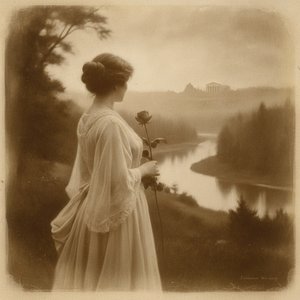
Біографія митця
Літописець Старого Парижа: Життя та спадщина Ежена Атге
Народившись у 1857 році в тихому містечку Лібурн, Франція, під справжнім ім'ям Жан-Ежен-Огюст Атге, фотограф, чиє ім'я згодом стане синонімом «Старого Парижа», розпочав свій шлях у тіні втрати. Залишившись сиротою у віці семи років після смерті обох батьків, юний Ежен виховувався бабусею та дідусем по материнській лінії в Бордо. Цей ранній досвід самотності та, можливо, зароджене відчуття скороминущості могли підсвідомо сформувати його подальший творчий порив — непереборне бажання задокументувати світ, який, як він відчував, невблаганно зникає. Його перші прагнення були далекими від фотографії; Атге прагнув стати актором, вступивши до театральної школи, проте його шлях був перерваний обов'язковою військовою службою. Наступна спроба побудувати театральну кар'єру в бродячій трупі була припинена через проблеми з голосовими зв'язками, що змусило його переосмислити своє призначення. Саме близько 1887 року, після цих ранніх невдач, він звернувся до нової мистецької сфери — фотографії, спочатку створюючи знімки на продаж художникам та ремісникам, пропонуючи приємні пейзажі та сцени, що слугували матеріалом для ескізів.
Систематичне бачення: Документування Парижа, що зникає
Доленосний поворот стався близько 1897 року, ознаменувавши справжній початок унікатної справи життя Атге. Він розпочав систематичне документування «Старого Парижа» — проєкт, який поглинув його майже на три десятиліття. Це не було просто мальовничим туризмом; це була майже антропологічна праця, спонукана бажанням зберегти фізичну тканину міста, що проходило через бурхливу модернізацію. Озброєний великоформатною дерев'яною камерою з міха та використовуючи скляні сухі пластини (18x24 см), Атге прискіпливо фіксував вузькі провулки, стародавні двори, величні палаци та гамірне вуличне життя, що визначало історичне серце Парижа. Його не цікавили художнє прикрашання чи драматична композиція; його підхід був фундаментально документальним, прагненням до об'єктивного відтворення реальності. Починаючи з 1906 року, ця відданість справі принесла йому замовлення від таких інституцій, як Музей Карнавале та Історична бібліотека міста Парижа, закріпивши за ним роль офіційного літописця паризької історії. Він фотографував не лише грандіозні пам'ятки, а й повсякденні деталі — вітрини магазинів, вуличних торговців, збирачів макутури та навіть повілій, створюючи всеосяжний портрет міського життя у всій його складності.
Унікальна естетика: Атмосфера та плин часу
Фотографії Атге володіють особливою естетичною цілісністю, що виникла настільки ж із технічної необхідності, наскільки й із художнього задуму. Тривала експозиція, необхідна для його обладнання, часто створювала ефект розмитості, перетворюючи рух на легку димку та створюючи ефірну, майже примарну атмосферу. Це не було недоліком, а навпаки — визначальною рисою, що надавала його зображенням відчуття позачасовості та меланхолії. Він часто зафіксовував сцени з мінімальною кількістю людей або постаті, що ставали примарними через тривале витримку, акцентуючи увагу на просторі та настрої, а не на чіткості деталей. Його композиції часто характеризуються навмисною відсутністю драматичного фокуса; замість цього він пропонує широкий погляд, запрошуючи глядача заблукати в сцені та поглинути її атмосферу. Цей підхід був спрямований не на впіймання миттєвої емоції, а на передачу незмінної присутності місця — ваги історії, закарбованої в каменях і вулицях Парижа. Він прагнув не інтерпретувати, а записувати.
Запізніле визнання та невмируща вплив
Попри всю свою самовідданість та колосальний обсяг роботи — за оцінками, близько 8500 негативів — Атге отримував надзвичайно мало визнання за свого життя. Лише невелика кількість молодих митців розгледіла геніальність у його підході. Його спадщина почала по-справжньому розкриватися лише після його смерті у 1927 році, значною мірою завдяки зусиллям американської фотографки Береніс Ебботт. Усвідомивши важливість його праці, Ебботт придбала архів Атге та невтомно просувала його фотографії через виставки та публікації. Згодом вона передала значну частину своєї колекції Музею сучасного мистецтва (MoMA) у 1968 році, забезпечивши її збереження та доступність для майбутніх поколінь. Зображення Атге знайшли глибокий відгук у серцях сюрреалістів, які оцінили їхню сповнену емоцій атмосферу, відчуття таємниці та здатність виявляти приховану поезію повсякденного життя. Сьогодні Ежен Атге шанований як піонер документальної фотографії, життєво важливий хроніст паризької історії та натхненник для фотографів у всьому світі. Його роботи продовжують пропонувати безцінні знання про міський ландшафт і соціальне життя Парижа кінця XIX — початку XX століття, слугуючи свідченням сили терплячого споглядання та невмирущої краси міста, що перебуває у стані трансформації.



 Переглянути в інтер'єрі
 Купити картину ручної роботи
 Надіслати
 Поділитися
 Деталі
 Посібник

 Завантажити
 Схожі предмети колекціонування
 Рентгенівське дослідження
 Слайд-шоу
 Статистика переглядів

 Читати далі






































 Скляний варіант доступний лише для розмірів до 110 см