
БЕЗКОШТОВНА КОНСУЛЬТАЦІЯ З МИСТЕЦТВА


x

 Замовити друк Купити цифрове зображення
 Надіслати
 Details
 Додати до улюблених
 Завантажити
 Схожі вироби
 X-Ray
X-Ray
 Слайд-шоу
 Акрил на паперіІншіBaroque Art
 1663
1663 210.0 x 162.0 cm
 Walker Art Gallery
Написана вручну олією на полотні у вашому розмірі та рамі, виготовлена на замовлення нашими художниками.
Обирайте з наших стандартних розмірів, що відповідають оригінальним пропорціям твору мистецтва.

Ви можете вказати власні розміри, щоб репродукція підійшла до конкретної рами або інтер'єру. Якщо вибраний вами розмір не відповідає пропорціям оригіналу, ми або обріжемо полотно, або доповнимо картину додатковими елементами, промальованими вручну. Цифровий макет буде надіслано вам на затвердження перед початком виробництва.
Зверніть увагу, що попередній перегляд на екрані не відображає фактичне обрізання або розширення зображення. Тільки макет точно покаже остаточну композицію.
Хоча ми можемо виготовити виріб у нестандартному розмірі, для збереження оригінальних пропорцій рекомендуємо обирати варіанти зі встановленого списку.
Доставка по всьому світу () за 3–4 тижні замість стандартних 5 тижнів. (1 Липень). Без жодних компромісів у якості.


Study
Розмір репродукції
Within the hallowed halls of the Walker Art Gallery in Liverpool resides a deceptively simple yet profoundly moving work – Elisabetta Sirani's "Study," executed in 1663. More than just a preparatory sketch, it is a miniature world brimming with tenderness, quiet observation, and an exquisite understanding of human connection. The drawing, rendered primarily in delicate shades of brown and beige using charcoal on paper, immediately draws the eye with its intimate scale – measuring a modest 210 x 162 centimeters – inviting viewers to step into a private, almost sacred space.
Sirani’s genius lies not in grand gestures or dramatic displays, but rather in her ability to capture fleeting moments of genuine emotion. The composition centers on a young woman, presumably the artist's sister, gently lifting the sleeve of a child – likely her own son, Giovanni Andrea – revealing his small hand. This simple act, frozen in charcoal, speaks volumes about familial love and the quiet intimacy of domestic life. The pose is remarkably naturalistic; Sirani eschews overly stylized figures, opting instead for a directness that feels utterly honest and unpretentious.
“Study” exemplifies the hallmarks of Baroque art while simultaneously forging its own distinctive path. Sirani’s technique is characterized by an economy of line – she employs minimal outlining, relying instead on subtle tonal variations to define form and create a sense of volume. The use of *grisaille*, a monochrome drawing technique using shades of gray, allows her to focus entirely on capturing the essence of the subject without distraction from color. The paper itself is laid down, adding texture and visual interest to the composition.
Noticeably absent are any elaborate details or decorative flourishes typical of some Baroque works. Instead, Sirani’s strength lies in her masterful control of light and shadow – a technique known as *chiaroscuro* – which imbues the scene with a palpable sense of depth and atmosphere. The soft, diffused lighting suggests an interior setting, perhaps a room bathed in natural light, further enhancing the feeling of intimacy.
To fully appreciate “Study,” it’s crucial to understand its historical context. Elisabetta Sirani emerged as one of the first women artists to achieve significant recognition in early modern Bologna – a city renowned for its vibrant artistic community and patronage system. Despite facing considerable societal obstacles, she established herself as a respected painter, producing both commissioned works and independent studies. “Study” offers a rare glimpse into her working methods and artistic philosophy.
The drawing’s creation coincided with a period of intense artistic innovation in Bologna, influenced by the legacy of Guido Reni and the prevailing trends of the Baroque style. However, Sirani's approach was distinctly her own – characterized by a refined sensibility and an unwavering commitment to capturing the emotional truth of her subjects. It is believed that this drawing served as a study for a larger allegorical composition, likely commissioned by Prince Leopoldo de’ Medici in Florence, highlighting the virtues associated with his family’s rule.
“Study” transcends its technical merits to become a poignant meditation on human connection. The simple act of a mother tending to her child is rendered with such sensitivity and grace that it resonates deeply with viewers across centuries. Sirani's ability to distill complex emotions into a single, carefully observed drawing speaks to the enduring power of art to illuminate the beauty and fragility of everyday life.
Today, reproductions of “Study” are readily available through platforms like WahooArt.com, offering art enthusiasts the opportunity to bring this exquisite work into their homes and offices. It’s a testament to Sirani's skill that her drawing continues to captivate audiences with its quiet dignity and profound emotional resonance – a timeless reminder of the simple joys of family and the enduring power of observation.


1638 - 1665 , Італія

Відкрийте для себе 10 шедеврів бароко від Караваджо, Рембрандта та Рубенса! Історія мистецтва, техніки живопису та натхнення для вашого інтер'єру. Репродукції картин високої якості – WahooArt.com
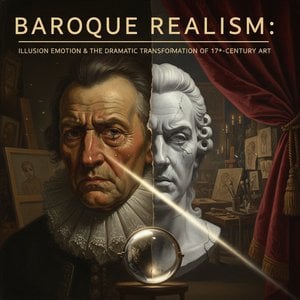
Explore the dramatic world of Baroque Realism! Discover iconic artists like Caravaggio & Rubens, their techniques, and the movement's lasting impact on art history. Expert insights for collectors & enthusiasts.
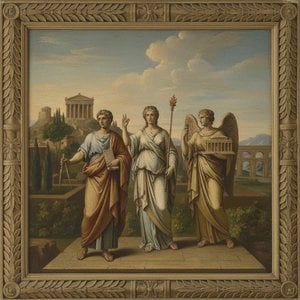
Explore the life & work of Nicolas Poussin, a master of French Classicism. Discover his allegorical paintings, Roman influences, and enduring impact on art history. Expert analysis & insights.
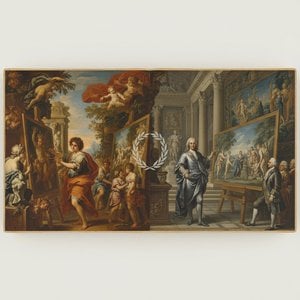
Explore the life & art of Simon Vouet, a pivotal French Baroque painter who introduced Italian styles to France. Discover his masterpieces and lasting influence on 17th-century art.

Explore the life & art of Giuseppe Maria Crespi, a pivotal Bolognese Baroque painter. Discover his groundbreaking genre scenes, religious works, and lasting influence on Italian art history. Learn more at WahooArt.


Будьте в курсі останніх новин зі світу мистецтва, ексклюзивних пропозицій та ідей для декорування.
Розкажіть нам про свій проєкт, і наші експерти з мистецтва підготують для вас 3 персоналізовані пропозиції щодо творів мистецтва.
Дозвольте нам підібрати 3 варіанти спеціально для вас — безкоштовно!

 Поділитися





































 Читати далі
 Скляний варіант доступний лише для розмірів до 110 см


