Переглянути в інтер'єрі Примірка в AR Купити картину ручної роботи Перейти до цифрових зображень Надіслати
Деталі Посібник Додати до улюблених Завантажити Схожі предмети колекціонування Рентгенівське дослідження Слайд-шоу Статистика переглядів

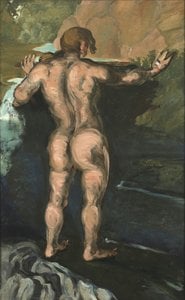
Saint Jerome

Experience the haunting beauty of El Greco’s Saint Jerome, a monumental oil painting from 1614 capturing profound contemplation amidst rugged Spanish mountains. This Expressionist-influenced masterpiece showcases El Greco's masterful technique and unwavering devotion to biblical iconography – explore exquisite reproductions today.

Свята Магдалина Е Greco – шедевр ренессансной живописи и христианской мистики. Изучите историю создания картины и ее символическое значение в музее искусства Кливленда!

Гікле / Художній принт

Музейна якість друку جيкле або на полотні з оперативним виготовленням та різноманітними варіантами фінішної обробки. ( Купити картину ручної роботи Перейти до цифрових зображень)

Corner sample of the P118B picture frame: формований полістирол, 5 cm wide and 3 cm thick
P118B ₴10
Corner sample of the P118H picture frame: формований полістирол, 5 cm wide and 3 cm thick
P118H ₴10
Corner sample of the P118W picture frame: формований полістирол, 5 cm wide and 3 cm thick
P118W ₴10
Corner sample of the P438Z picture frame: формований полістирол, 5.5 cm wide and 3.5 cm thick
P438Z ₴10
Corner sample of the P508JH picture frame: формований полістирол, 7 cm wide and 3.5 cm thick
P508JH ₴12
Corner sample of the P508YH picture frame: формований полістирол, 7 cm wide and 3.5 cm thick
P508YH ₴12
Corner sample of the P805H picture frame: формований полістирол, 5 cm wide and 3.5 cm thick
P805H ₴10
Corner sample of the P805Z picture frame: формований полістирол, 5 cm wide and 3.5 cm thick
P805Z ₴10
Corner sample of the P919BZ picture frame: формований полістирол, 7 cm wide and 3.5 cm thick
P919BZ ₴10
Corner sample of the P919G picture frame: формований полістирол, 7 cm wide and 3.5 cm thick
P919G ₴10
Corner sample of the P919XJ picture frame: формований полістирол, 7 cm wide and 3.5 cm thick
P919XJ ₴10
Corner sample of the P959ZH picture frame: формований полістирол, 5 cm wide and 3 cm thick
P959ZH ₴10
Corner sample of the P968JZ picture frame: формований полістирол, 6 cm wide and 4 cm thick
P968JZ ₴12
Corner sample of the W106C picture frame: масив дерева, 5 cm wide and 3 cm thick
W106C ₴8
Corner sample of the W218G picture frame: масив дерева, 5 cm wide and 3 cm thick
W218G ₴10
Corner sample of the W218JH picture frame: масив дерева, 5 cm wide and 3 cm thick
W218JH ₴8
Corner sample of the W218Y picture frame: масив дерева, 5 cm wide and 3 cm thick
W218Y ₴10
Corner sample of the W307PJ picture frame: масив дерева, 6 cm wide and 3 cm thick
W307PJ ₴10
Corner sample of the W316G picture frame: масив дерева, 6 cm wide and 3 cm thick
W316G ₴10
Corner sample of the W316PJ picture frame: масив дерева, 6 cm wide and 3 cm thick
W316PJ ₴8
Corner sample of the W316Y picture frame: масив дерева, 6 cm wide and 3 cm thick
W316Y ₴10
Corner sample of the W398PJ picture frame: масив дерева, 5 cm wide and 3 cm thick
W398PJ ₴8
Corner sample of the W4111J picture frame: масив дерева, 6.5 cm wide and 3.5 cm thick
W4111J ₴10
Corner sample of the W500HY picture frame: масив дерева, 7 cm wide and 5 cm thick
W500HY ₴15
Corner sample of the W500JH picture frame: масив дерева, 7 cm wide and 5 cm thick
W500JH ₴15
Corner sample of the W692G picture frame: масив дерева, 8 cm wide and 4 cm thick
W692G ₴12
Corner sample of the W849H picture frame: масив дерева, 5 cm wide and 3 cm thick
W849H ₴8
Corner sample of the W940BG picture frame: масив дерева, 7.5 cm wide and 4.5 cm thick
W940BG ₴15
Corner sample of the W953PJ picture frame: масив дерева, 6 cm wide and 3.5 cm thick
W953PJ ₴8

Стандартний розмір
на замовлення
CM
INCH

Обирайте з наших стандартних розмірів, що відповідають оригінальним пропорціям твору мистецтва.

ширина
висота

Введіть необхідну ширину та висоту, щоб принт ідеально підійшов до вашої рами або стіни. Принт можна лише обрізати, але не можна зробити більшим за оригінал, тому при зміні пропорцій частина зображення буде втрачена. Перед друком ми надсилаємо вам цифровий макет для затвердження. Зображення на цій сторінці не відображає реальну обрізку — її можна побачити лише на макеті.

Доставка по всьому світу () за 2 тижні замість стандартних 4/5 тижнів. (23 Жовтень)

Безкоштовна експрес-доставка по всьому світу
Високоякісне лляне полотно
Повне страхове покриття доставки
Гарантія повернення митних зборів
Гарантія точного відтворення кольорів
Політика повернення протягом 100 днів (лише у разі виявлення дефектів)
Гарантія повернення 100% коштів
Знижка на оптові замовлення

Загальна вартість

₴ 3051

Saint Jerome

Гікле / Художній принт

Розмір репродукції

-

Загальна вартість

₴ 3051

Короткі факти

  • Influences: Byzantine art
  • Notable elements or techniques: Dramatic lighting; elongated figures
  • Artist: El Greco
  • Dimensions: 194 x 137 cm
  • Subject or theme: Religious contemplation
  • Location: Toledo Cathedral, Spain

A Vision of Solitude and Spiritual Intensity

In the heart of 1614, amidst the religious fervor of Toledo, Spain, El Greco breathed life into a scene of profound spiritual introspection. His Saint Jerome is not merely a portrait of a man in prayer; it is an immersive experience of contemplative devotion. The viewer is transported to a rugged, mountainous landscape where the saint, characterized by his weathered face and flowing white beard, seeks refuge within the stony embrace of a cave. Every element of the composition—from the clasped hands to the distant, dramatic peaks—serves to heighten the sense of isolation and divine connection. This monumental work captures a moment of stillness that resonates with an almost palpable emotional weight, inviting anyone who gazes upon it to enter a state of quiet reflection.

The Expressive Language of Mannerism

To understand the power of this piece, one must look through the lens of El Greco’s unique Mannerist style. Moving away from the balanced perfection of the High Renaissance, the artist embraced a deliberate distortion to communicate the intangible. The figures are subtly elongated, and the drapery ripples with an unsettling, rhythmic energy that anticipates the emotional intensity of later Expressionism. This was achieved through a masterful application of oil on canvas, utilizing a sophisticated glazing technique. By layering thin, translucent washes of color over thicker undercoats, El Greco achieved a luminous, ethereal quality that makes the light appear to emanate from within the painting itself. The contrast between the rough, tactile textures of the cave walls and the soft, spiritual glow surrounding the saint creates a visual tension that is both captivating and deeply moving.

An Enduring Legacy for the Discerning Collector

For the art lover or interior designer, a reproduction of this masterpiece offers more than just decoration; it provides a focal point of solemn grandeur. The painting’s ability to blend historical depth with striking visual drama makes it an ideal centerpiece for spaces that value character and intellectual depth. Whether placed in a contemporary gallery-style room or a classic study, the interplay of light and shadow within Saint Jerome commands attention. It is a piece that speaks of resilience, faith, and the beauty found in solitude, making it a timeless addition to any curated collection seeking to evoke emotion and inspire awe.

Запитання та відповіді

До якого етапу кар'єри Ель Греко належить «Saint Jerome», враховуючи дату її створення?

Зважаючи на дату створення — 1614, твір "Saint Jerome" належить до Toledo Years творчості Ель Греко.

Що зображено на творі «Saint Jerome» Ель Греко і який у нього настрій?

«Saint Jerome» Ель Греко поєднує в собі saint jerome, religious iconography, medieval art, greek painter, cave meditation, biblical figure, oil painting із Dramatic атмосферою.

З яких матеріалів створено "Saint Jerome"?

Техніка виконання «Saint Jerome» Ель Греко — Oil On Canvas. Репродукції мають на меті відтворити вигляд цієї техніки.


Біографія митця

Doménikos Theotokópoulos, Known As El Greco – “The Greek”

Doménikos Theotokópoulos, universally recognized as El Greco – “the Greek” – stands apart in the annals of European art history as a painter whose life and oeuvre defied easy categorization. Born in Crete, Greece (1541), under Venetian rule, his artistic journey traversed Venice and Rome before finding its ultimate expression in the spiritual heartland of Spain: Toledo. El Greco wasn’t merely shaped by these locations; he synthesized their diverse influences into an utterly distinctive style—one that foreshadowed the emotional fervor of Expressionism and the fragmented forms of Cubism centuries ahead of time. His formative years within Byzantine tradition instilled a meticulous attention to detail and a profound understanding of religious iconography, principles that would nevertheless propel him beyond conventional artistic boundaries. He signed his canvases in Greek, appending “Krḗs” – Cretan – as a defiant assertion of his heritage, even as he embraced new artistic horizons. The genesis of his singular style wasn’t solely rooted in technique but also nourished by the fervent religious climate of Crete and the rich tapestry woven by Venetian art masters like Titian and Tintoretto.

A Venetian Apprenticeship: Absorbing Artistic Innovation

Around 1567, El Greco embarked on a transformative relocation to Venice—a move that irrevocably altered his artistic trajectory. Immersed in the pulsating artistic milieu of the Serenissima Republic, he diligently studied the luminaries of his era – Titian, Tintoretto, Veronese – absorbing their mastery of color palettes, compositional strategies, and dramatic lighting effects. He deliberately loosened his brushwork, embracing the sensual qualities inherent in oil paint and experimenting with techniques that would liberate him from rigid stylistic constraints. This Venetian influence is palpably present in early masterpieces such as *St. Sebastian* (1600), where anatomical precision harmoniously blends with theatrical illumination—a testament to El Greco’s ability to fuse meticulous observation with emotive expression. Furthermore, his exposure to Mannerism – a style characterized by elongated figures, distorted perspectives, and sophisticated arrangements – honed his artistic sensibilities and broadened his stylistic repertoire. While he demonstrated considerable talent within the competitive Roman art world, securing widespread acclaim proved elusive.

Toledo: The Crucible of Spiritual Vision

His subsequent settlement in Toledo (1577) constituted a pivotal juncture in El Greco’s artistic evolution—a city steeped in religious fervor during the Counter- Reformation and ideally suited to nurture his profoundly spiritual canvases. This environment fostered both patronage and an atmosphere conducive to exploring themes of faith, mysticism, and transcendence. It was here that El Greco achieved his most enduring achievements, producing a series of paintings that solidified his reputation as one of Spain’s foremost artists—works imbued with an unparalleled emotional depth and stylistic originality. The monumental *Burial of the Count of Orgaz* (1586-1588), arguably his magnum opus, exemplifies these qualities spectacularly. This masterpiece seamlessly blends Byzantine artistic conventions with Venetian innovations, presenting a dramatic depiction of a miraculous event—the ascension of saints to bury a noble benefactor—with breathtaking realism juxtaposed against ethereal figures embodying divine intervention.

A Style Defined By Distortion and Emotion

El Greco’s distinctive style is instantly recognizable—a stylistic hallmark that distinguishes him from his contemporaries. His depictions of human figures are frequently elongated, their bodies contorted in poses conveying intense spiritual ecstasy or profound anguish. This isn't merely a matter of artistic convention; it represents El Greco’s deliberate effort to transcend the limitations of representational art and capture the intangible realm of emotion and spirituality—a precursor to Expressionist sensibilities and Cubist fragmentation. He skillfully manipulated color—often employing hues that deviated dramatically from naturalistic palettes—to heighten the emotional impact of his compositions, mirroring the stylistic boldness championed by artists like Picasso and Braque. Moreover, dramatic lighting—characterized by stark contrasts between illumination and darkness—creates a theatrical atmosphere, drawing the viewer into the heart of the depicted narrative and amplifying its emotive resonance.

Legacy: An Artist Ahead Of His Time

Despite encountering challenges securing recognition during his lifetime – largely due to stylistic divergences from prevailing artistic trends – El Greco’s legacy endured beyond his death in 1614. Artists like Picasso and Braque recognized him as a visionary forerunner of modern art, admiring his innovative use of form and perspective—elements that anticipated the aesthetic breakthroughs of subsequent generations. His expressive style resonated deeply with Expressionists who sought to convey emotional intensity through bold colors and dramatic compositions. Today, El Greco is revered as one of Spain’s most influential painters—a figure whose oeuvre continues to inspire awe and fascination, cementing his place among the titans of Western art history. His paintings transcend mere visual representation; they embody a profound spiritual quest—a testament to El Greco's unwavering conviction that art could illuminate the hidden depths of human experience and elevate consciousness toward transcendence.
Ель Греко

Ель Греко

1541 - 1614 , Греція

Довідкова інформація

  • Artistic Movement Or Style: Маньєризм, Бароко
  • Artists Who Influenced This Artist:
    • Тіціан
    • Джентільєско
  • Date Of Birth: 1541
  • Date Of Death: 1614
  • Full Name: Doménikos Theotokópoulos
  • Nationality: Греко-Іспанія
  • Notable Artworks:
    • Похорон Графа Орґаза
    • Вид Толедо
    • Одягнення Христа
  • Place Of Birth: Крит, Греція
Досліджуйте твори мистецтва, впорядковані за темами, стилями та характеристиками.