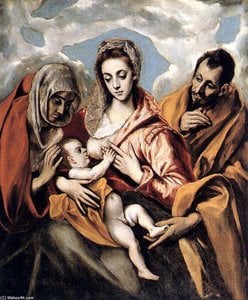
Друк جيкле або на полотні музейної якості з оперативним виготовленням та різноманітними варіантами фінішної обробки. ( Замовити картину ручної роботи Перейти до цифрових зображень)





























Обирайте з наших стандартних розмірів, що відповідають оригінальним пропорціям твору мистецтва.

Введіть необхідну ширину та висоту, щоб принт ідеально підійшов до вашої рами або стіни. Принт можна лише обрізати, але не можна зробити більшим за оригінал, тому при зміні пропорцій частина зображення буде втрачена. Перед друком ми надсилаємо вам цифровий макет для затвердження. Зображення на цій сторінці не відображає реальну обрізку — її можна побачити лише на макеті.
Доставка по всьому світу () за 2 тижні замість стандартних 4/5 тижнів. (11 Листопад)
Retable and side altars
Розмір репродукції
El Greco’s “Retable and Side Altars,” painted in 1577 for the Cistercian convent of Santo Domingo el Antiguo in Toledo, Spain, isn't merely a religious depiction; it’s a profound exploration of faith, emotion, and the burgeoning artistic spirit of the late Renaissance. Commissioned during a pivotal moment in El Greco’s career – his arrival in Spain after years spent honing his craft in Italy and Greece – this monumental altarpiece reveals a synthesis of influences, forging a uniquely powerful style that would resonate through art history. The work stands as a testament to El Greco's ability to imbue religious iconography with an intensely personal and dramatic sensibility, pushing beyond the established conventions of the time.
The core of the altarpiece centers around “The Assumption of the Virgin,” a breathtaking vision of Mary ascending into heaven. El Greco masterfully employs a dynamic composition, eschewing the static serenity often associated with religious art. Figures are elongated and distorted, their bodies contorted in expressions of anguish and ecstasy. The use of color is equally arresting – deep reds, blues, and ochres dominate, creating an atmosphere of heightened drama and spiritual intensity. The architectural setting, rendered with a subtle yet effective perspective, anchors the scene within the confines of Toledo’s Santo Domingo convent, grounding the divine in the earthly realm.
El Greco's artistic journey is crucial to understanding this masterpiece. His early training in Crete exposed him to Byzantine iconography, characterized by its stylized figures and rich symbolism. However, his time in Italy, particularly Venice, introduced him to the innovations of the Renaissance – a fascination with perspective, naturalism, and the use of oil paint. Crucially, he was deeply influenced by Flemish artists like Jan van Eyck and Dirk Bouts, whose meticulous detail, dramatic lighting, and emotional intensity found their way into his work. This confluence of influences is most evident in the altarpiece’s composition, its use of chiaroscuro (the contrast between light and dark), and the expressive faces of its figures.
Yet, El Greco didn't simply mimic these styles; he transformed them, imbuing them with his own distinctive vision. The elongated figures, the heightened emotionalism, and the unsettling use of color are distinctly *El Greco*. He wasn’t interested in creating a purely realistic representation of religious subjects; instead, he sought to convey their spiritual essence through powerful visual metaphors.
The “Retable and Side Altars” is rich with symbolic detail. The figures themselves are not merely portraits but embodiments of theological concepts. The placement of saints, the gestures they make, and their expressions all contribute to a complex narrative that speaks to themes of faith, devotion, and salvation. Note, for example, the prominent role of Saint John the Evangelist in one of the side panels – a figure often associated with divine revelation and prophecy. The inclusion of classical elements, such as the architectural framework and the references to Roman mythology, further enriches the work’s symbolic landscape.
The choice of Toledo itself is significant. As a city steeped in religious history and a center of Spanish culture, it provided El Greco with a fertile ground for his artistic explorations. The depiction of the city's skyline, subtly integrated into the background, connects the divine realm to the everyday world.
Ultimately, “Retable and Side Altars” is a profoundly moving work of art. It’s not simply a depiction of religious events; it's an exploration of human emotion – faith, doubt, joy, sorrow, and ultimately, hope. The elongated figures, the dramatic lighting, and the intense colors all contribute to a sense of heightened emotional intensity. The viewer is drawn into the scene, invited to contemplate the mysteries of faith and the complexities of the human experience. It’s a testament to El Greco's ability to transform religious iconography into a powerful expression of the soul—a legacy that continues to captivate audiences centuries later.
Consider commissioning a high-quality reproduction to bring this extraordinary artwork into your home or office, allowing its evocative power and spiritual depth to enrich your surroundings.
Розмір Large, орієнтація Portrait: рекомендовані параметри друку для «Retable and side altars» роботи Ель Греко.
«Retable and side altars» роботи Ель Греко передає Spiritual відчуття в межах загального Elegant настрою.
«Retable and side altars» належить до Mature Period творчого шляху Ель Греко. Ця класифікація пов’язує твір із етапом становлення митця.

Доменікос Теотокопулос, відомий в історії як Ель Греко, розпочав свій шлях у 1541 році на острові Крит. У той час острів був володінням Венеції, і саме цей факт згодом дозволив йому навести міст між східними та західними традиціями. Він навчався як іконописець у межах візантійської традиції — дисципліни, що вимагала надзвичайної уваги до деталей та зосередженості на духовній суті об'єкта, а не на простому фізичному сходстві. Це раннє занурення в критську школу дало йому відчуття символічної точності, яке залишалося незмінним навіть тоді, коли його стиль зазнавав радикальних трансформацій.
У віці двадцяти шести років він переїхав до Венеції, прагнуючи розширити своє розуміння природного світу. У Венеціанській республіці він відкрив для себе твори Тіціана та Тіціана, вбираючи їхнє майстерне володіння колоритом та використання світла для визначення форми. Він навчився відходити від жорстких ліній своєї юності, обираючи більш текучий мазок та відчуття динамізму. Цей період був не відмовою від свого коріння, а його розширенням, оскільки він почав поєднувати дисципліновану іконографію своєї грецької спадщини з атмосферною чуттєвістю італійського Відродження.
Після перебування в Римі, де він познайомився з витягнутими формами та витонченими композиціями маньєризму, Ель Греко оселився в Толедо, Іспанія, у 1577 році. Цей переїзд став вирішальним. Толедо був центром інтенсивного релігійного піднесення під час Контрреформації, що створило ландшафт, ідеально придатний для його дедалі містичнішого бачення. Саме тут його стиль досяг своєї найбільш самобутньої фази, що характеризувалася постатями, які здавалися витягнутими та викривленими, ніби потягнутими невидимою духовною силою. Він використовував колір не для того, щоб імітувати реальність, а щоб посилити емоційний вплив, часто застосовуючи неземні відтінки для зображення божественного.
Його робота в Іспанії була позначена напруженістю між земним і ефірним. У картині Поховання графа Оргаса (1586-1588) він поєднав реалістичне зображення сучасних постатей з витягнутими, небесними формами, створивши візуальний міст між смертним і божественним. Його здатність маніпулювати світлом і тінню дозволяла створювати відчуття драми, що водночас здавалося театральним і глибоко особистим. Він не просто малював сцени; він намагався передати емоційні та духовні реалії, що існують за межами фізичного світу.
Останні роки його життя ознаменувалися переходом до ще більшої абстракції та містицизму. Його композиції ставали складнішими, а постаті — більш деформованими, що відображало зростаючий відхід від традиційних художніх норм. Хоча він досяг успіху та отримував значні замовлення від церков і монастирів Толедо, його вплив не був миттєво відчутний у широкому мистецькому світі після його смерті в 1614 році. Протягом тривалого періоду його вважали ексцентриком, а його роботи значною мірою ігнорувалися мейнстримом історії мистецтв.
Лише у XX столітті його значення було повною мірою визнано. Модерністи побачили в його роботах попередника експресивних та фрагментарних стилів майбутнього. Його здатність викривлювати пропорції та використовувати сміливий, емоційний колір відгукнулася в серцях тих, хто прагнув передати внутрішні психологічні стани. Сьогодні його картини розглядаються як вікна в людську душу, прославлена за свою унікальну здатність захоплювати інтенсивність віри та боротьбу за трансцендентність.
Визначні роботи включають:

1541 - 1614 , Греція

Explore the profound drama of Spanish Baroque art. Delve into the mastery of light, shadow, and realism through the legendary works of Diego Velázquez and the Spanish Golden Age.
 Переглянути в інтер'єрі
 Надіслати як листівку
 Поділитися
 Деталі витвору
 Посібник

 Завантажити
 Схожі екземпляри
 Рентгенівське дослідження
 Слайд-шоу
 Питання та відповіді
 Статистика


 Розгорнути текст









 Скляний варіант доступний лише для розмірів до 110 см