Переглянути в інтер'єрі Примірка в AR Купити картину ручної роботи Перейти до цифрових зображень Надіслати
Деталі Посібник Додати до улюблених Завантажити Схожі предмети колекціонування Рентгенівське дослідження Слайд-шоу Статистика переглядів

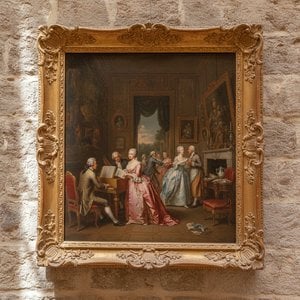
The Surgeon

David Teniers the Younger's "The Surgeon" (1670s) captures a bustling 17th-century medical scene with remarkable detail and realism, showcasing Flemish genre painting at its finest.

"Ukrainian Meta Description": "Девід Тенієрс-Молодший – видатний фламандський художник епохи бароко, відомий живописними сценами з повсякденного життя, ярмарками та мальовничими краєвидами. Його роботи відтворюють атмосферу 17-го століття та вплинули на наступні покоління митців."

Гікле / Художній принт

Музейна якість друку جيкле або на полотні з оперативним виготовленням та різноманітними варіантами фінішної обробки. ( Купити картину ручної роботи Перейти до цифрових зображень)

P118B $10
P118H $10
P118W $10
P438Z $10
P508JH $12
P508YH $12
P805H $10
P805Z $10
P919BZ $10
P919G $10
P919XJ $10
P959ZH $10
P968JZ $12
W106C $8
W218G $10
W218JH $8
W218Y $10
W307PJ $10
W316G $10
W316PJ $8
W316Y $10
W398PJ $8
W4111J $10
W500HY $15
W500JH $15
W692G $12
W849H $8
W940BG $15
W953PJ $8

Стандартний розмір
на замовлення
CM
INCH

Обирайте з наших стандартних розмірів, що відповідають оригінальним пропорціям твору мистецтва.

ширина
висота

Ви можете вказати власні розміри, щоб репродукція ідеально підійшла до конкретної рами або інтер'єру. Якщо обраний вами розмір не відповідає пропорціям оригіналу, ми або обріжемо полотно, або розширимо зображення за допомогою дзеркального відображення чи суцільної заливки країв. Перед початком виробництва вам буде надіслано цифровий макет для затвердження.
Будь ласка, зверніть увагу, що попередній перегляд на екрані не відображає фактичне обрізання або розширення. Тільки макет точно покаже фінальну композицію.
Хоча можливість замовлення індивідуальних розмірів доступна, ми рекомендуємо обирати формат із попередньо визначеного списку, щоб зберегти оригінальні пропорції.

Доставка по всьому світу () за 2 тижні замість стандартних 4/5 тижнів. (21 Вересень)

why_choose_icon
Безкоштовна експрес-доставка по всьому світу
why_choose_icon
Високоякісне лляне полотно
why_choose_icon
Повне страхове покриття доставки
why_choose_icon
Гарантія повернення митних зборів
why_choose_icon
Гарантія точного відтворення кольорів
why_choose_icon
Політика повернення протягом 100 днів (лише у разі виявлення дефектів)
why_choose_icon
Гарантія повернення 100% коштів
why_choose_icon
Знижка на оптові замовлення

Загальна вартість

$ 68

reproduction

The Surgeon

Гікле / Художній принт

Розмір репродукції

-

Загальна вартість

$ 68

Короткі факти

  • Movement: Dutch Golden Age
  • Influences: Rubens
  • Artist: David Teniers the Younger
  • Year: 1670
  • Dimensions: 57 x 73 cm
  • Medium: Oil on canvas
  • Artistic style: Realism, detailed observation

Тест на знання мистецтва

У кожному запитанні лише одна правильна відповідь.

Запитання 1:
What is the primary subject matter depicted in ‘The Surgeon’?
Запитання 2:
The painting ‘The Surgeon’ is characteristic of which artistic movement?
Запитання 3:
According to the description, what is a prominent feature of the painting’s color palette?
Запитання 4:
David Teniers the Younger was primarily known for his work in which genre?
Запитання 5:
What technique is most evident in the rendering of textures within ‘The Surgeon’?

A Glimpse into a World of Healing and Observation

David Teniers the Younger’s “The Surgeon,” painted around 1670, isn't merely a depiction of a medical scene; it’s a meticulously rendered snapshot of daily life within a bustling apothecary and surgical workshop. The painting immediately draws the eye into a crowded room filled with figures engaged in various activities – a surgeon intently focused on his patient, assistants tending to instruments, and onlookers observing the procedure. This isn't a grand portrait of heroic medicine; instead, it offers an intimate, almost voyeuristic view of the practical realities of medical practice during the Dutch Golden Age. The composition is deliberately dense, reflecting the organized chaos inherent in a working environment where life and death were intimately intertwined.

The scene unfolds within a space defined by earthy tones – browns, ochres, and muted greens dominate the palette, lending an air of realism and groundedness to the portrayal. Subtle touches of red appear in clothing and bandages, providing visual contrast and drawing attention to the act of healing itself. Teniers’ masterful use of hatching and cross-hatching creates a remarkable sense of texture, from the rough wool of garments to the smooth surfaces of porcelain jars filled with medicinal ingredients. The artist skillfully employs light – primarily emanating from a window on the left – to sculpt forms and cast shadows, adding depth and drama to the composition. The limited perspective, while somewhat flattened, effectively guides the viewer’s eye through the crowded room, emphasizing key figures and details.

The Artist's Hand: Technique and Style

“The Surgeon” is a prime example of David Teniers the Younger’s signature style – a blend of meticulous observation and genre painting. He was renowned for his ability to capture the nuances of everyday life, imbuing even mundane scenes with a sense of vitality and interest. The brushwork is visible yet controlled, contributing to the overall realism of the piece. Notice how Teniers renders the folds in clothing, the textures of skin, and the details of surgical instruments – each element meticulously rendered with careful attention to detail. The painting’s foundation lies in oil paints applied to canvas, a technique that allowed for layering and blending, creating rich colors and subtle gradations of tone.

Furthermore, Teniers' work reflects the influence of his mentor, Peter Paul Rubens, particularly in his use of vibrant color and dynamic composition. However, unlike Rubens’ grand historical scenes, Teniers focused on capturing the immediacy of a domestic setting. The painting is not just a record of events; it’s an invitation to step into a world where medicine was practiced within the familiar confines of a workshop, alongside the rhythms of daily life.

Symbolism and Context: A Window into 17th-Century Medicine

Beyond its immediate visual appeal, “The Surgeon” offers a fascinating glimpse into the cultural attitudes surrounding medicine during the 17th century. The presence of anatomical tools, surgical instruments, and even a monkey – often associated with alchemy and medical knowledge – hints at the prevailing fascination with the human body and the pursuit of healing. Skulls are also present, serving as stark reminders of mortality and the fragility of life. These elements collectively evoke a sense of both wonder and apprehension regarding the practice of medicine.

The painting’s historical context is crucial to understanding its significance. During this period, medical knowledge was still evolving, often blending traditional remedies with emerging scientific discoveries. The scene depicted reflects the collaborative nature of medical care, where surgeons relied on assistants and apprentices to aid in their procedures. “The Surgeon” isn't a celebration of surgical prowess; it’s a testament to the shared experience of healing within a community.

A Timeless Masterpiece: Reproduction and Legacy

David Teniers the Younger’s “The Surgeon” remains a captivating work of art, offering a rare glimpse into the world of 17th-century medicine. Reproductions capture the painting's rich detail and evocative atmosphere, making it an ideal addition to any home or office. Its enduring appeal lies in its ability to transport viewers back in time, inviting them to contemplate the complexities of human health, knowledge, and the ever-present pursuit of healing.


Біографія митця

David Teniers the Younger: A Master of Flemish Life

David Teniers the Younger, born in Antwerp on December 15, 1610, was a pivotal figure in the vibrant artistic landscape of Flanders during the Baroque era. His life and career were inextricably linked to his family’s rich artistic heritage – his father, David Teniers the Elder, was himself a respected painter – and he inherited not only technical skills but also a deep appreciation for capturing the essence of everyday Flemish life. From humble beginnings, marked by periods of financial hardship where young David contributed by copying older masterworks to supplement the family income, he rose to become one of the most celebrated genre painters of his time, leaving behind a legacy that continues to captivate art lovers today.

Early Influences and Artistic Training

Teniers’ early artistic development was profoundly shaped by his father's style, which leaned towards smaller-scale cabinet paintings – intimate scenes often depicting mythological subjects or portraits. However, he also absorbed the influence of other masters, particularly Pieter Bruegel the Elder, whose earthy realism and ability to portray peasant life resonated deeply with young David. A truly transformative moment in his artistic journey occurred through his marriage to Anna Brueghel, daughter of Jan Brueghel the Elder – a connection that brought him into close contact with Peter Paul Rubens himself. The Archduke served as witness at their wedding, establishing a bond that would profoundly impact Teniers’ career and artistic sensibilities. Rubens' influence is evident in Teniers’ later works, particularly his use of color and dynamic composition.

The Rise to Prominence: Genre Painting and the Kermesses

As he matured as an artist, David Teniers began to specialize in genre painting – a genre that allowed him to depict scenes from everyday Flemish life with remarkable detail and immediacy. He became renowned for his lively portrayals of “kermesses,” exuberant village festivals filled with dancing, drinking, games, and communal merriment. These paintings, collectively known as the "Flemish Kermess" series, are arguably Teniers’ most celebrated works. They are characterized by their vibrant colors, intricate compositions, and a keen eye for capturing the nuances of human behavior – the joy, the boisterousness, and even the occasional mischief that defined these festive gatherings. His depictions weren't simply records of events; they were celebrations of Flemish culture and community spirit.

Court Painter and Curator: Shaping an Artistic Legacy

A significant turning point in Teniers’ career arrived with his appointment as court painter and curator to Archduke Leopold Wilhelm, the Governor General of the Spanish Netherlands. This prestigious position afforded him access to a vast collection of art, which he meticulously cataloged and curated – a task that further honed his artistic skills and deepened his understanding of visual culture. He established the Antwerp Academy of Fine Arts, an ambitious project aimed at reviving Flemish painting after the decline following the deaths of Rubens and Van Dyck. This academy served as a training ground for young artists, fostering a new generation of painters who would carry on the traditions of Flemish art.

A Lasting Impact: Style, Technique, and Influence

David Teniers the Younger’s artistic style is instantly recognizable – a blend of meticulous detail, vibrant color palettes, and an ability to imbue even the most mundane scenes with a sense of life and energy. He was a master of capturing light and shadow, creating a palpable atmosphere in his paintings. His work influenced a wide range of artists, both during his lifetime and in subsequent generations. French Rococo painters, such as Antoine Watteau, drew inspiration from Teniers’ depictions of elegant tavern interiors and fashionable gatherings, adapting his techniques to create their own distinctive style. His legacy extends beyond individual works; he helped shape the very definition of Flemish genre painting, establishing a standard for realism, observation, and artistic expression that continues to be admired today. He died in Antwerp on April 25, 1690, leaving behind an extraordinary body of work that offers a unique glimpse into the vibrant world of 17th-century Flanders.
Девід Тенірс Старший

Девід Тенірс Старший

1610 - 1690 , Бельгія

Довідкова інформація

  • Artistic Movement Or Style: Бароко
  • Artists Or Movements Influenced By This Artist: ['Антуан Вотє']
  • Artists Who Influenced This Artist: ['Пєтр Паул Рубенс']
  • Date Of Birth: 1610
  • Date Of Death: 1690
  • Full Name: David Teniers the Younger
  • Nationality: Фламандський
  • Notable Artworks:
    • Два п'яниці
    • Село
    • Інтер'єр таверни
  • Place Of Birth: Антверпен, Бельгія
Досліджуйте твори мистецтва, впорядковані за темами, стилями та характеристиками.