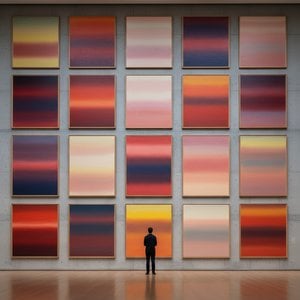
Революційне бачення: Життя та спадщина Зіхи Хадід
Народившись у Багдаді (Ірак) у 1950 році, дама Зіха Мохаммад Хадід постала як одна з найзначніших архітектурних сил нашого часу. Її шлях розпочався не в традиційних межах художнього виховання, а серед стимулюючого інтелектуального середовися; її батько, Мухаммад аль-Хадж Хусейн Хадід, був успішним промисловцем і політиком, тоді як мати, Ваджиха аль-Сабунджі, плекала пристрасть до мистецтва. Це унікальне поєднання прагматизму та креативності глибоко сформувало світогляд юної Зіхи. Спочатку вивчаючи математику в Американському університеті Бейрута, вона невдовзі усвідомила, що її справжнє покликання лежить у сфері просторового дизайну, що привело її до Лондона у 1972 році та зарахування до Архітектурної асоціації. Саме тут, під наставництвом таких впливових постатей, як Рем Коулхаас, Елія Зенгеліс і Бернард Тшюмі, радикальне архітектурне мислення Хадід почало набувати форми. Ці ментори заохочували ставлення до встановлених норм через призму сумніву, створюючи середовище, де процвітали експерименти та інновації — фундамент, на якому вона збудувала свою надзвичайну кар'єру.
Деконструкція конвенцій: Стиль та впливи
Зіха Хадід не просто проєктувала будівлі; вона ваяла досвід. Широко визнана піонеркою деконструктивізму, її роботи сміливо відкидали жорстку геометрію та традиційні форми, що довгий час визначали архітектурну практику. Натомість вона прийняла фрагментацію, динамічні криві та відчуття плинного руху, створюючи структури, які, здавалося, кидали виклик самій гравітації. Її проєкти не були лише функціональними просторами; вони були художніми маніфестами — потужними виразами форми та енергії. Вплив авангардних рухів початку XX століття, зокрема супрематизму та робіт Казимира Малевича, чітко простежується в її ранніх дослідженнях. Фактично, її дипломний проєкт «Тектоніка Малевича» став потужною демонстрацією її відданості абстрактним принципам і непрямокутним формам. Але Хадід не була лише імітаторкою; вона синтезувала ці впливи з власним унікальним баченням, звільняючи архітектурну геометрію та наповнюючи її новою експресивною ідентичністю. Що важливо, живопис і малюнок були для Хадід не просто підготовчими інструментами — вони були невід'ємною частиною самого процесу проєктування, дозволяючи їй досліджувати просторові концепції та візуалізувати складні форми ще до того, як вони матеріалізувалися в бетоні та сталі.
Визначні творіння: Глобальний вплив
Хадід заснувала власну практику в Лондоні у 1980 році, але визнання прийшло не одразу. Її ранні проєкти часто вважалися занадто радикальними та складними для тогочасного архітектурного клімату. Проте вона виявила наполегливість, і поступово її інноваційний підхід почав здобувати прихильність. Peak Club у Гонконзі (1983) став раннім прикладом її нового стилю, що натякав на захоплюючі структури, які з'являться згодом. Протягом наступних десятиліть фірма Хадід реалізувала низку знакових проєктів, що переосмислили міські ландшафти по всьому світу. Серед них — плинний та динамічний Лондонський аквацентр для Олімпіади 2012 року, що є свідченням її здатності створювати простори, які надихають на рух та атлетизм; Музей мистецтв Broad у Мічигані (США) з його вражаючим плисованим фасадом із нержавіючої сталі; MAXXI — Національний музей мистецтв XXI століття в Римі (Італія), складне взаємодія об'ємів та порожнеч; Гуанчжоуський оперний театр у Китаї, що нагадує дві гладкі гальки на річці Перл; та Центр Гейдара Алієва в Баку (Азербайджан) — захоплююча хвилеподібна структура, що втілює її фірмову криволінійну естетику. Ці проєкти були не просто будівлями — вони стали культурними іконами, розсуваючи межі архітектурних можливостей.
Визнання та невмируща вплив
Відзнаки, що були присуджені Зісі Хадід протягом її кар'єри, є свідченням її надзвичайного таланту та тривалого впливу. Вона отримала численні нагороди, вершиною яких стала архітектурна премія Прітцкера у 2004 році — найвища пошана в архітектурі, що зробило її першою жінкою, яка отримала це престижне визнання індивідуально. Серед інших почестей були премія Стірлінга (присуджена двічі, у 2010 та 2011 роках) та, посмертно, Королівська золота медаль від Королівського інституту британських архітекторів у лення 2016 року, що знову стало історичним першим досягненням для жінки. Окрім архітектурних здобутків, Хадід руйнувала бар'єри як жінка-архітектор у сфері, де історично домінували чоловіки, стаючи натхненням для незліченної кількості майбутніх дизайнерів. Її спадщина виходить за межі створених нею фізичних споруд; вона полягає в її трансформаційному впливі на архітектурну думку та практику. Навіть після її передчасної смерті у 2016 році, бюро Zaha Hadid Architects продовжує працювати, з непохитною відданістю просуваючи її візію та принципи. Її дослідження художніх засобів поза межами архітектури — як-от роботи «Вежа Татліна та Тектоніка» — демонструють унікальну синергію між експертизою в дизайні та художнім самовираженням.
Будівлі Зіхи Хадід стоять як вічні пам'ятники її інноваційному духу, формуючи навколишнє середовище для майбутніх поколінь.
Поза межами будівель: Тривала художня спадщина
Хоча Зіха Хадід насамперед прославилася своїми архітектурними досягненнями, її творче бачення сягало набагато далі сфери проєктування будівель. Вона послідовно досліджувала такі мистецькі медіа, як живопис та дизайн предметів, розглядаючи їх не як окремі дисципліни, а як взаємопов'язані вирази її унікальної естетичної чутливості. Її картини, що часто характеризуються динамічними композиціями та абстрактними формами, слугували концептуальними дослідженнями, які безпосередньо впливали на її архітектурні проєкти. Ці роботи не були просто ескізами чи репрезентаціями; вони були інтегральною частиною розвитку її ідей, дозволяючи експериментувати з просторовими відносинами та візуальними текстурами перед їх перенесенням у тривимірні структури.
- Ранній живопис: Її ранні картини, такі як «Помаранчева експлозія на білому», демонструють захоплення фрагментованими формами та яскравими кольорами, що передвіщали деконструктивістські принципи, які згодом визначать її архітектурний стиль.
- Дизайнерські об'єкти: Хадід також ventured у дизайн продуктів, створюючи меблі, освітлювальні прилади та інші предмети, що відлунювали плинні лінії та скульптурні якості її будівель. Chanel Mobile Art Pavilion у Токіо є чудовим прикладом такого міждисциплінарного підходу, демонструючи її здатність перетворювати архітектурні концепції на портативне, імерсивне середовище.
- Концептуальні дослідження: Роботи на кшталт «Інтерпретація Татліна» розкривають її взаємодію з історичними авангардними рухами та бажання переосмислити модерністські принципи в сучасному контексті.
Такий цілісний підхід до дизайну зміцнив позицію Хадід не лише як архітектора, а й як справжньої художниці-візіонерки, чий вплив продовжує резонувати в багатьох творчих сферах.



 Переглянути в інтер'єрі
 Купити картину ручної роботи
 Надіслати
 Поділитися
 Деталі
 Посібник

 Завантажити
 Схожі предмети колекціонування
 Рентгенівське дослідження
 Слайд-шоу
 Статистика переглядів


 Читати далі






































 Скляний варіант доступний лише для розмірів до 110 см