x
Переглянути в інтер'єріПереглянути в інтер'єрі Перегляд в ARПерегляд в AR Замовити принт Замовити принтКупити цифрове зображення Купити цифрове зображення Надіслати як листівкуНадіслати як листівку
ДетальнішеДетальніше Додати до улюблених Додати до улюблених ЗавантажитиЗавантажити Схожі експонатиСхожі експонати Рентгенівське дослідженняРентгенівське дослідження Слайд-шоуСлайд-шоу

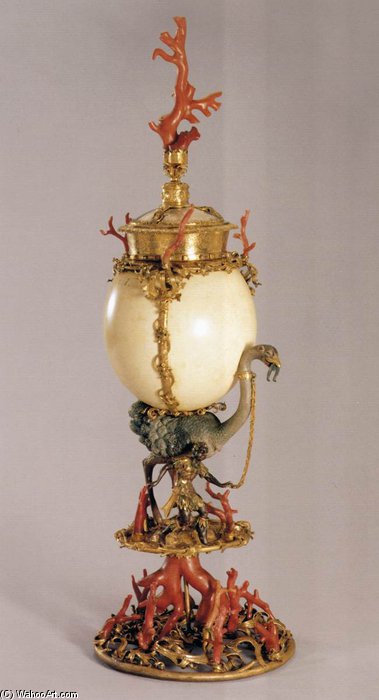
Ostrich Egg Standing Cup

Discover Clement Kicklinger’s evocative paintings of Roman life & religious scenes. Explore his unique style blending realism & symbolism, rooted in WahooArt.

Олійная репродукція ручної роботи

Написана вручну олією на полотні у вашому розмірі та рамі, виготовлена на замовлення нашими художниками. (Замовити принт Замовити принтКупити цифрове зображення Купити цифрове зображення)

Стандартний розмір
індивідуальний
CM
INCH

Обирайте з наших стандартних розмірів, що відповідають оригінальним пропорціям твору мистецтва.

ширина
висота

Ви можете вказати власні розміри, щоб репродукція ідеально підійшла до конкретної рами або інтер'єру. Якщо вибраний вами розмір не відповідає пропорціям оригіналу, ми або обріжемо полотно, або доповнимо картину додатковими елементами, промальованими вручну. Цифровий макет буде надіслано вам на затвердження перед початком виробництва.
Зверніть увагу, що попередній перегляд на екрані не відображає фактичне обрізання або розширення зображення. Тільки макет точно покаже остаточну композицію.
Хоча ми можемо виготовити виріб у нестандартному розмірі, для збереження оригінальних пропорцій рекомендуємо обирати варіанти зі встановленого списку.

Приклади можливих змін: замінити обличчя на фото клієнта; додати домашню тварину (наприклад, замінити кота на собаку); додати приховане повідомлення на фоні; змінити ландшафт або елементи фону.
Після оформлення замовлення команда WahooArt.com зв'яжеться з клієнтом електронною поштою для отримання інструкцій та надасть попередній макет

Доставка по всьому світу () за 3–4 тижні замість стандартних 5 тижнів. (27 Серпень). Без жодних компромісів у якості.

why_choose_icon
Безкоштовна експрес-доставка по всьому світу
why_choose_icon
Високоякісне лляне полотно
why_choose_icon
Повне страхове покриття доставки
why_choose_icon
Гарантія відшкодування митних зборів
why_choose_icon
Гарантія точного відтворення кольорів
why_choose_icon
Політика повернення протягом 60 днів (лише у разі виявлення дефектів)
why_choose_icon
Гарантія повернення 100% коштів
why_choose_icon
Пропозиція на оптові замовлення

Загальна вартість

$ 272

reproduction

Ostrich Egg Standing Cup

Матеріал репродукції

Розмір репродукції

-

Підсумкова вартість

$ 272


Біографія митця

A Life Immersed in Roman Splendor: Clement Kicklinger

Clement Kicklinger, born in 1561 and passing away in 1617, remains a fascinating yet somewhat elusive figure within the landscape of late Renaissance and early Baroque Italian painting. While comprehensive biographical details are scarce—a common challenge with artists operating outside the most prominent circles—his surviving works offer compelling insights into a life deeply interwoven with the religious and artistic fabric of Rome during a period of profound change. Kicklinger’s career unfolded against the backdrop of the Counter-Reformation, an era that demanded art serve as a powerful instrument for spiritual renewal and didactic purpose. He appears to have been particularly devoted to scenes depicting Roman history and devotional subjects, often imbued with a striking realism tempered by subtle symbolism.

The Artistic Context & Early Influences

Kicklinger’s artistic formation is difficult to pinpoint precisely, but the strong influence of Northern European painting traditions is evident in his meticulous detail and naturalistic rendering of figures. This suggests potential training or exposure to artists active in Rome who themselves were influenced by Flemish and Dutch masters. The city itself was a crucible of styles at this time; while the High Renaissance ideals of Raphael and Michelangelo continued to resonate, a new emphasis on dramatic lighting, emotional intensity, and dynamic composition—characteristics associated with Caravaggio and the burgeoning Baroque movement—was beginning to take hold. It’s likely Kicklinger absorbed elements from both traditions, forging a unique style that balanced clarity and precision with a growing sense of theatricality. His work also reveals an affinity for earlier Italian Renaissance masters like Pinturicchio, particularly in his decorative approach and narrative skill. The presence of *ostrich egg paintings* within his oeuvre is unusual and points to specialized commissions or a particular patronage network focused on luxury devotional objects.

Themes & Techniques: Realism and Religious Narrative

Kicklinger’s paintings are characterized by their compelling realism, particularly in the depiction of human anatomy, fabrics, and architectural settings. He possessed a remarkable ability to render textures and surfaces with convincing accuracy, creating a sense of tangible presence within his compositions. However, this naturalistic approach was never merely an end in itself; it served to enhance the emotional impact of his religious narratives. Scenes from the lives of saints, biblical episodes, and events from Roman history were rendered with a sensitivity that aimed to inspire piety and contemplation. He frequently employed a relatively subdued palette, relying on carefully modulated tones and subtle gradations of light and shadow to create atmosphere and depth. His compositions often feature crowded scenes filled with figures engaged in dynamic interactions, drawing the viewer into the heart of the narrative. The inclusion of detailed architectural backgrounds—often depicting recognizable Roman landmarks like San Clemente—further grounds his works in a specific time and place, adding another layer of meaning and authenticity.

Major Achievements & Historical Significance

While Kicklinger did not achieve the widespread fame of some of his contemporaries, his surviving paintings represent a significant contribution to the artistic landscape of early 17th-century Rome. His dedication to religious subject matter aligns with the broader aims of the Counter-Reformation art movement, and his skillful blending of realism and symbolism demonstrates a sophisticated understanding of artistic technique and theological principles. The fact that many of his works depict scenes related to San Clemente suggests a close association with this important basilica, perhaps as a house artist or through commissions from affiliated religious orders. His paintings offer valuable insights into the devotional practices and artistic tastes of the Roman elite during a period of intense religious and political upheaval. The enduring appeal of Kicklinger’s work lies in its ability to transport viewers back in time, offering a glimpse into a world where art served as a powerful expression of faith, history, and human emotion. His legacy is preserved through these evocative paintings, which continue to captivate audiences with their beauty, detail, and spiritual depth.
clement kicklinger

clement kicklinger

1561 - 1617

Короткі факти

  • Artistic Movement Or Style: Early Baroque
  • Artists Or Movements Influenced By This Artist: ['Transavanguardia']
  • Artists Who Influenced This Artist: ['Italian Renaissance artists']
  • Date Of Death: 1617
  • Full Name: Clement Kicklinger
  • Nationality: German
  • Notable Artworks:
    • Ostrich Egg Standing Cup
    • Various religious scenes
  • Place Of Birth: Augsburg, Germany