


 WatercolorWallArtRomantic Landscape
 179719th Century
 167.0 x 217.0 cm
 Гамбургская художественная галерея
Музейна якість друку جيкле або на полотні з оперативним виготовленням та різноманітними варіантами фінішної обробки. ( Замовити репродукцію ручної роботи Купити цифрове зображення)





























Обирайте з наших стандартних розмірів, що відповідають оригінальним пропорціям твору мистецтва.

Ви можете вказати власні розміри, щоб репродукція ідеально підійшла до конкретної рами або інтер'єру. Якщо обраний вами розмір не відповідає пропорціям оригіналу, ми або обріжемо полотно, або розширимо зображення за допомогою дзеркального відображення чи суцільної заливки країв. Перед початком виробництва вам буде надіслано цифровий макет для затвердження.
Будь ласка, зверніть увагу, що попередній перегляд на екрані не відображає фактичне обрізання або розширення. Тільки макет точно покаже фінальну композицію.
Хоча можливість замовлення індивідуальних розмірів доступна, ми рекомендуємо обирати формат із попередньо визначеного списку, щоб зберегти оригінальні пропорції.
Доставка по всьому світу () за 2 тижні замість стандартних 4/5 тижнів. (6 Вересень)


Landscape with Pavilion
Розмір репродукції
In the quietude of Caspar David Friedrich's "Landscape with Pavilion," painted in 1797, we encounter more than a mere depiction of nature; we step into a profound meditation on solitude and the sublime. As one of the most evocative works from the German Romantic era, this piece captures a pivotal moment in art history when the rationalism of the Enlightenment began to yield to the raw, unbridled power of emotion and imagination. The composition invites the viewer to wander through a meticulously crafted tableau where a small, elegant pavilion sits nestled amongst dense, dark coniferous trees, acting as a silent sentinel within the vastness. This architectural element provides a focal point for our gaze, yet it serves primarily to emphasize the overwhelming scale of the surrounding wilderness. Scattered throughout the foreground, sheep graze with a peaceful, pastoral innocence, their presence adding a layer of tranquil life that contrasts beautifully with the deeper, more mysterious shadows of the forest.
The technical mastery displayed in this work is nothing short of breathtaking, making it an exquisite choice for those who appreciate the nuances of classical technique. Friedrich employs a masterful use of atmospheric perspective, creating a sense of infinite depth that draws the eye toward the horizon. His palette is intentionally muted, dominated by earthy browns, deep forest greens, and ethereal blues—colors selected not merely for their representational accuracy, but for their ability to evoke a specific, melancholic mood. Through the delicate application of glazing techniques, layering thin, translucent washes of color over textured surfaces, Friedrich achieves a luminous quality. This allows light to seem as though it is emanating from within the landscape itself, capturing the subtle, shifting nuances of light and shadow that define a truly living environment.
To gaze upon this painting is to engage with the philosophical heart of Romanticism. Friedrich was deeply influenced by the concept of the Sublime—the feeling of awe mixed with a hint of terror when confronted with the grandeur of the natural world. The pavilion, while a man-made structure, does not dominate the landscape; rather, it is absorbed by it, symbolizing humanity's humble place within the divine order of nature. This tension between the civilized and the wild is a central theme that resonates deeply with modern viewers. For the collector or interior designer, this piece offers a profound emotional anchor, providing a sense of stillness and introspection that can transform the atmosphere of any room.
The historical context of the work further enriches its meaning. Created during a period when Friedrich was honing his skills in Copenhagen, the painting reflects the influence of the English landscape garden movement, which sought to create "natural" yet highly emotional vistas. Every element—from the sturdy fence separating the sheep to the distant, misty trees—is a carefully placed symbol of life's transience and the enduring beauty of the earth. Whether displayed in a grand gallery or as a centerpiece in a sophisticated contemporary home, "Landscape with Pavilion" serves as a timeless reminder of our spiritual connection to the world around us, offering an unparalleled sense of peace and contemplative beauty.

1774 - 1840 , Німеччина

Відкрийте 25 шедеврів Джеймса Вістлера – імпресіонізм, портрети та нічні сцени. Історія мистецтва, техніки живопису та натхнення для декору вашого дому від WahooArt. Дослідіть колекцію онлайн!
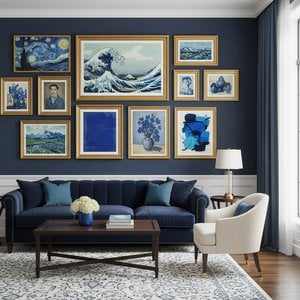
Пориньте у світ глибокого синього! Топ-10 знаменитих картин від Моне, Ван Гога та інших майстрів. Дізнайтеся історії створення шедеврів імпресіонізму та купіть репродукцію для вашого дому на WahooArt.com
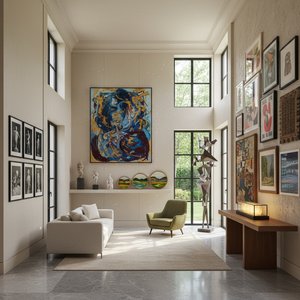
Відкрийте 25 шедеврів Венеційської бієнале! Історія мистецтва, відомі художники та техніки. Репродукції картин для вашого дому від WahooArt – натхнення та розкішний декор онлайн.

Відкрийте для себе 25 найвідоміших шедеврів Василя Кандинського! Пориньте у світ абстрактного мистецтва, експресіонізму та кольорових композицій. Репродукції картин Кандинського преміум-якості на WahooArt.com – для вашого інтер'єру з душею. Дослідіть повну колекцію онлайн!
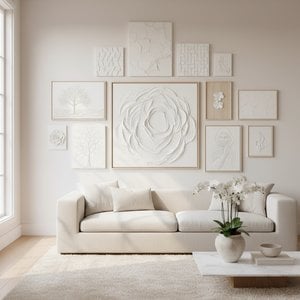
Відкрийте для себе 10 легендарних картин, де білий колір стає головним героєм! Історія Моне, Ван Гога та інших майстрів. Купіть репродукції шедеврів імпресіонізму на WahooArt.com – мистецтво для вашого дому.

 Переглянути в інтер'єрі
 Надіслати як листівку
 Поділитися
 Детальніше

 Завантажити
 Схожі експонати
 Рентгенівське дослідження
 Слайд-шоу
 Читати далі







 Скляний варіант доступний лише для розмірів до 110 см


