


Мистецький твір, представлений на цій сторінці, захищений законом про авторське право, що унеможливлює легальне створення або продаж його ідентичної репродукції. Цей захист забезпечується відповідно до міжнародних угод, таких як Бернська конвенція та національним законодавством, зокрема положеннями, що викладені в Законодавство США про авторське право — Розділ 17. Всі права захищені. Будь-яке використання без дозволу заборонено.
Цей метод повністю відповідає нормам авторського права, оскільки він не передбачає копіювання чи дублювання захищеного твору мистецтва. Натомість це творче переосмислення — створення нового малюнка під впливом оригіналу, який не є його точним відтворенням.
Друк جيкле або на полотні музейної якості з оперативним виготовленням та різноманітними варіантами фінішної обробки. ( Замовити картину ручної роботи Перейти до цифрових зображень)





























Обирайте з наших стандартних розмірів, що відповідають оригінальним пропорціям твору мистецтва.

Введіть необхідну ширину та висоту, щоб принт ідеально підійшов до вашої рами або стіни. Принт можна лише обрізати, але не можна зробити більшим за оригінал, тому при зміні пропорцій частина зображення буде втрачена. Перед друком ми надсилаємо вам цифровий макет для затвердження. Зображення на цій сторінці не відображає реальну обрізку — її можна побачити лише на макеті.
Доставка по всьому світу () за 2 тижні замість стандартних 4/5 тижнів. (8 Листопад)
Florence
Розмір репродукції
To gaze upon this depiction of Florence is to step through a veil of time, into a moment suspended between vibrant history and quiet contemplation. Carlo Carrà’s vision captures more than just the magnificent dome of Santa Maria del Fiore; it encapsulates the very soul of Florentine artistry—a spirit rooted in the rigorous beauty of the Quattrocento. The composition itself feels like an archaeological discovery rendered in paint, presenting the city not as a mere collection of buildings, but as a unified, breathing volume. Carrà masterfully guides the eye across this aerial panorama, where every overlapping block and delicate curve speaks to centuries of human endeavor and artistic devotion.
Technically, the painting is a profound study in restraint. Carrà employs a technique characterized by light, quick brushstrokes and the exquisite layering of transparent glazes, or velature. This process allows the color to build up luminosity from within, giving the entire scene an ethereal, almost spiritual glow that seems to emanate from the very stone of the city. The structure is defined by thin, delicate black outlines—lines that are structural rather than restrictive. These lines serve to delineate the cubic forms of the architecture, suggesting a geometric order beneath the soft wash of color. It is this interplay between the rigid geometry suggested by the outlines and the atmospheric softness achieved through glazing that gives the piece its unique visual tension.
This work stands as a beautiful testament to the breadth of Carrà's artistic journey. Having navigated the turbulent waters of Futurism, Metaphysics, and various avant-garde movements throughout the twentieth century, here he finds a profound synthesis. In this later period, his focus turns inward, toward essential forms and pictorial simplicity. The painting moves away from overt naturalism or dramatic impressionism, instead achieving an equilibrium between concrete reality and sublime abstraction. It is Carrà distilling the monumental into its most fundamental visual components—a mature artist finding quiet power in elegant reduction.
The subject matter itself carries immense symbolic weight. Florence, particularly viewed through the lens of Brunelleschi’s dome, represents the pinnacle of Renaissance humanism and artistic revival. For Carrà, this city was not just a backdrop; it was a cultural touchstone. The muted palette—of soft blues, earthy grays, and pale terracotta—contributes to an overwhelming sense of tranquility. It invites the viewer into a meditative state, suggesting that true beauty lies in the enduring structure of culture itself. Owning this piece is acquiring not just art, but a tangible connection to the deep, abiding spirit of Italian artistic heritage.
For collectors and designers seeking an object imbued with history and quiet grandeur, this reproduction offers unparalleled depth. The soft luminosity achieved through Carrà’s glazing technique translates beautifully into interior spaces, acting as a focal point that uplifts any room without overwhelming it. It speaks to those who appreciate art that rewards close looking—a piece where the eye can wander from the defined geometry of the foreground blocks to the hazy, luminous expanse of the sky, finding continuous beauty in every subtle shift of tone.
Карло Карра також відомий/відома під іменами Карло Ка́рра.
«Florence» приписують Карло Карра.
Репродукція твору «Florence» роботи Карло Карра рекомендована для Accent. Ця пропозиція ґрунтується на сюжеті, настрої та кольоровій гамі роботи.


1881 - 1966 , Італія
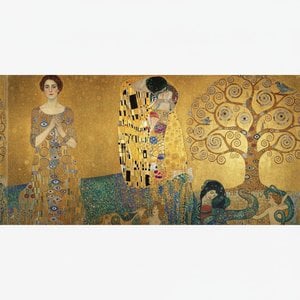
Відкрийте 25 найвідоміших картин Густава Клімта! Мистецтво модерну, віденський сецесіон та золотий вік Відня. Репродукції картин високої якості для вашого дому на WahooArt.com. Дослідіть колекцію онлайн!

Відкрийте для себе 25 шедеврів Уффіці, Флоренція! Історія Леонардо да Вінчі, Боттічеллі та Рафаеля. Репродукції картин онлайн – натхнення для вашого дому від WahooArt.com.

Explore the artistic journey of Carlo Carrà, a pivotal figure in Italian Futurism & Metaphysical painting. Discover his dynamic compositions, collaborations with de Chirico, and lasting influence on modern art history.

Explore the profound works of Mario Sironi, a key figure in Italian Modernism. Discover his evolution from Futurism to Metaphysical painting and his powerful social commentary. Learn about his legacy at WahooArt.

Топ-10 найвідоміших картин для вітальні від WahooArt! Від Моне до Ван Гога – дізнайтеся історії шедеврів, техніки та ідеї декору. Знайдіть репродукцію своєї улюбленої картини та створіть вишуканий інтер'єр. Дослідіть повну колекцію онлайн!
 Переглянути в інтер'єрі
 Надіслати як листівку
 Поділитися
 Деталі витвору
 Посібник

 Завантажити
 Схожі екземпляри
 Рентгенівське дослідження
 Слайд-шоу
 Питання та відповіді
 Статистика


 Розгорнути текст









 Скляний варіант доступний лише для розмірів до 110 см


