


 Олія на полотніНастінне мистецтвоImpressionism
 1891— XIX століття
 50.0 x 61.0 cm
Музейна якість друку جيкле або на полотні з оперативним виготовленням та різноманітними варіантами фінішної обробки. ( Замовити репродукцію ручної роботи Купити цифрове зображення)





























Обирайте з наших стандартних розмірів, що відповідають оригінальним пропорціям твору мистецтва.

Ви можете вказати власні розміри, щоб репродукція ідеально підійшла до конкретної рами або інтер'єру. Якщо обраний вами розмір не відповідає пропорціям оригіналу, ми або обріжемо полотно, або розширимо зображення за допомогою дзеркального відображення чи суцільної заливки країв. Перед початком виробництва вам буде надіслано цифровий макет для затвердження.
Будь ласка, зверніть увагу, що попередній перегляд на екрані не відображає фактичне обрізання або розширення. Тільки макет точно покаже фінальну композицію.
Хоча можливість замовлення індивідуальних розмірів доступна, ми рекомендуємо обирати формат із попередньо визначеного списку, щоб зберегти оригінальні пропорції.
Доставка по всьому світу () за 2 тижні замість стандартних 4/5 тижнів. (6 Вересень)


Haying at Mezy
Розмір репродукції
Berthe Morisot's "Haying at Mezy," painted in 1891, is a captivating example of Impressionist art that transports viewers to the serene landscapes of rural France. This oil on canvas masterpiece (50 x 61 cm) showcases Morisot’s exceptional ability to capture fleeting moments and evoke a sense of peacefulness through her masterful use of color and light.
The painting depicts a scene in a sun-drenched field, where a woman is engaged in the task of haying. She's dressed in simple attire, suggesting a life connected to the land. A majestic tree stands nearby, providing shade and adding depth to the composition. Several cows graze peacefully throughout the field, while a curious cat observes from the lower right corner. Morisot’s technique is characteristic of Impressionism: loose, visible brushstrokes create a sense of movement and vibrancy. The colors are soft and pastel-toned, blending seamlessly to capture the atmospheric perspective and the play of light on the landscape. Unlike more structured academic paintings, "Haying at Mezy" prioritizes capturing the feeling of being outdoors rather than precise detail.
Created during a period of significant artistic innovation, “Haying at Mezy” reflects the Impressionist movement's focus on depicting everyday life and capturing the ephemeral qualities of light and color. Morisot was a prominent figure within this circle, often portraying scenes of domesticity and rural landscapes with a unique feminine perspective. Her work challenged traditional art conventions by emphasizing subjective experience over objective representation. The painting’s style is undeniably Impressionistic, prioritizing capturing the subjective experience of light and color over precise realism. The technique involves layering thin washes of paint to build up tones and textures, creating a luminous effect.
Beyond its aesthetic beauty, "Haying at Mezy" carries symbolic weight. The solitary figure in the field represents a connection with nature and a sense of quiet contemplation. The pastoral setting evokes feelings of tranquility and nostalgia, transporting viewers to a simpler time. The painting’s overall atmosphere is one of peacefulness and harmony, inviting reflection on the beauty of rural life and the passage of time. It's not merely a depiction of work; it's an exploration of mood and feeling.
"Haying at Mezy" is part of the esteemed collection of the Fuji Art Museum in Japan, a renowned institution showcasing both Japanese and Western art. For those interested in learning more about Berthe Morisot and her work, explore related paintings such as "Thatched Cottage in Normandy" and "A Summer's Day" available on WahooArt.com.


1841 - 1895 , Франція

Відкрийте для себе 25 найкращих шедеврів Джона Констебла! Англійські пейзажі, романтизм та емоційне світло в живописі. Репродукції картин високої якості для вашого дому від WahooArt.com. Дослідіть повну колекцію онлайн!
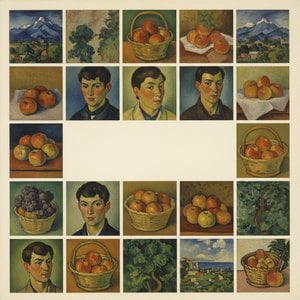
Відкрийте 25 найвідоміших картин Поля Сезанна! Дослідіть імпресіонізм, натюрморти та пейзажі художника. Купіть високоякісні репродукції та знайдіть ідеальний декор для вашого дому на WahooArt.com.

Відкрийте для себе 10 шедеврів імпресіонізму, що змінили пейзажне мистецтво! Дізнайтесь історії Моне, Ренуара та інших майстрів. Купіть репродукції картин високої якості на WahooArt.com – музейне мистецтво для вашого дому.

Explore the rich history of rural landscape painting with WahooArt. Discover Impressionist masterpieces, key artists & movements. Find your perfect serene artwork and bring nature's beauty home.

Explore the rich history of landscape art with WahooArt. Discover renowned artists, movements like Impressionism & Romanticism, and expert guidance for collecting timeless pieces. Find your perfect serene escape today!

 Переглянути в інтер'єрі
 Надіслати як листівку
 Поділитися
 Детальніше

 Завантажити
 Схожі експонати
 Рентгенівське дослідження
 Слайд-шоу
 Читати далі







 Скляний варіант доступний лише для розмірів до 110 см


