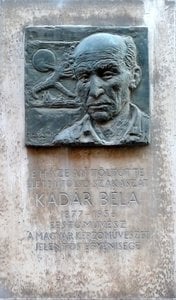
Угорський голос авангарду: Життя та мистецтво Бели Кадара
Народившись у 1877 році в Будапешті в єврейській родині робітників, Бела Кадар пройшов шлях до статусу ключової постаті авангардного мистецтва початку XX століття через випробування та непохитну відданість художньому пошуку. Його формальна освіта обмежувалася лише шістьма роками навчання, проте саме ця відсутність традиційної академічної бази, здавалося, звільнила його від звичних канонів, дозволивши сформуватися унікальній особистій візуальній мові. Професійний шлях Кадара розпочався не з пензля в руках, а з учнівства на токарному верстаті — ця ремесло глибоко вплинуло на його художнє сприйняття, прищепивши йому глибоке розуміння форми, структури та природної краси, прихованої в індустріальних матеріалах. Навіть у ці ранні роки його творчий дух проявлявся яскраво: спочатку він зосередився на розписі муралів по всьому Будапешту, демонструючи вроджену схильність до масштабної візуальної експресії та оповідності. Цей фундамент заклав основу для тих сміливих і динамічних композицій, які згодом стануть визначальними у його творчості.
Париж, Берлін та синтез стилів
Справжнім каталізатором художнього розвитку Кадара стали подорожі до Парижа та Берліна у 1910 році. Ці мандрівки відкрили йому двері до буремних авангардних рухів, що охоплювали Західну Європу, безповоротно змінивши його творчу траєкторію. Він зіткнувся з радикальними ідеями «Синього вершника», фрагментарними формами кубізму, динамізмом футуризму та сирою енергією неопримітивізму — впливами, які він не просто запозичив, а синтезував у власну самобутню візуальну лексику. Кадар не прагнув приналежності до будь-якої окремої «школи»; натомість він розпочав безперервний пошук форми, кольору та композиції, керований ненаситним бажанням вирватися з кайданів традиційного репрезентативного мистецтва. Він вбирав елементи конструктивізму та навіть сновидні якості метафізичного живопису, переплітаючи їх у складне полотно, що відображало його унікальний погляд на світ. Цей період став вирішальним поворотним моментом, перетворивши перспективного мураліста на справді інноваційного митця, що стояв на порозі міжнародного визнання.
Визнання та світова слава
Проривний момент у кар'єрі Кадара настав у жовтні 1923 року з виставкою в престижній берлінській галереї «Der Sturm» Герварта Вальдена. Ця експозиція представила його роботи у виразному експресіюністському стилі, що миттєво привернуло увагу та утвердило його як силу, з якою варто рахуватися на європейській арт-сцені. Галерея, відома підтримкою радикальних нових голосів, стала для Кадара ідеальним майданчиком для зв'язку з колекціонерами та колегами-художниками, які поділяли його прагнення до експериментів. Подальший розвиток його міжнародного профілю забезпечили дві виставки, організовані Кетрін Дрейєр у Бруклінському музеї мистецтв у Нью-Йорку у 1926 та 1928 роках. Примітно, що Кадар відвідав другу виставку, зміцнивши свій вплив на американському мистецькому ландшафті та встановивши цінні зв'язки всередині модерністського руху за океаном. Його картини того періоду часто зображували сцени з угорського фольклору, інтимні портрети та фрагменти сільського життя — сюжети, втілені у сміливій палітрі кольорів та динамічних композиціях, що захоплювали як дух його батьківщини, так і енергію сучасної епохи.
Спадщина сміливих інновацій
Художній стиль Бели Кадара впізнається миттєво завдяки яскравому та експресивному використанню кольору, де він часто застосовував не натуралістичні відтінки для передачі емоцій та атмосфери. Його композиції характеризуються відчутним рухом та енергією, досягнутими через гру ліній, фігур та форм, що ніби вібрують на полотні. Він часто використовував техніку імпасто — нанесення густих шарів фарби, — створюючи текстуровані поверхні, які посилювали візуальний вплив його робіт і спонукали до тактильного дослідження. Але, можливо, що справді вирізняє Кадара, так це його дивовижна здатність синтезувати ці різноманітні художні впливи в цілісний та оригінальний стиль. Він є важливою ланкою між угорським авангардом та ширшими європейськими рухами свого часу, відображаючи соціальні та політичні потрясіння початку XX століття у своєму мистецтві. Хоча за життя він не завжди був настільки всесвітньо відомим, як деякі його сучасники, творчість Кадара пережила ренесанс у останні десятиліття, оскільки дослідники дедалі більше визнають його значний внесок у сучасне мистецтво. Він помер у Будапешті в 1956 році, залишивши по собі спадщину сміливих та інноваційних полотен, які продовжують надихати митців і захоплювати глядачів сьогодні — свідчення незламної сили художника, який наважився прокласти власний шлях.
Ключові характеристики творчості Кадара
- Смілива палітра кольорів: Кадар був відомий своїм яскравим та експресивним використанням кольору, часто застосовуючи не натуралістичні відтінки для передачі емоцій та атмосфери.
- Динамічна композиція: Його композиції характеризуються відчуттям руху та енергії, досягнутим через взаємодію ліній, форм та фігур.
- Техніка імпасто: Він часто використовував густі шари фарби (імпасто) для створення текстурованих поверхонь і посилення візуального ефекту своїх робіт.
- Унікальний синтез: Здатність Кадара синтезувати різноманітні художні впливи в цілісний та оригінальний стиль виділяє його як значущу постать у мистецтві початку XX століття.
- Теми та сюжети: Його картини часто зображують сцени фольклору, сільське життя та інтимні портрети, виконані в сміливих кольорах та динамічних композиціях. Він також досліджував абстрактні теми та експериментував із фрагментарними формами.



 Переглянути в інтер'єрі
 Перейти до друку
 Надіслати
 Поділитися
 Деталі
 Посібник

 Завантажити
 Схожі предмети колекціонування
 Рентгенівське дослідження
 Слайд-шоу
 Статистика переглядів
 Читати далі