Переглянути в інтер'єрі Перегляд в AR Перейти до друку Замовити картину ручної роботи Надіслати як листівку
Деталі витвору Посібник Додати до улюблених Завантажити Схожі екземпляри Рентгенівське дослідження Слайд-шоу Статистика

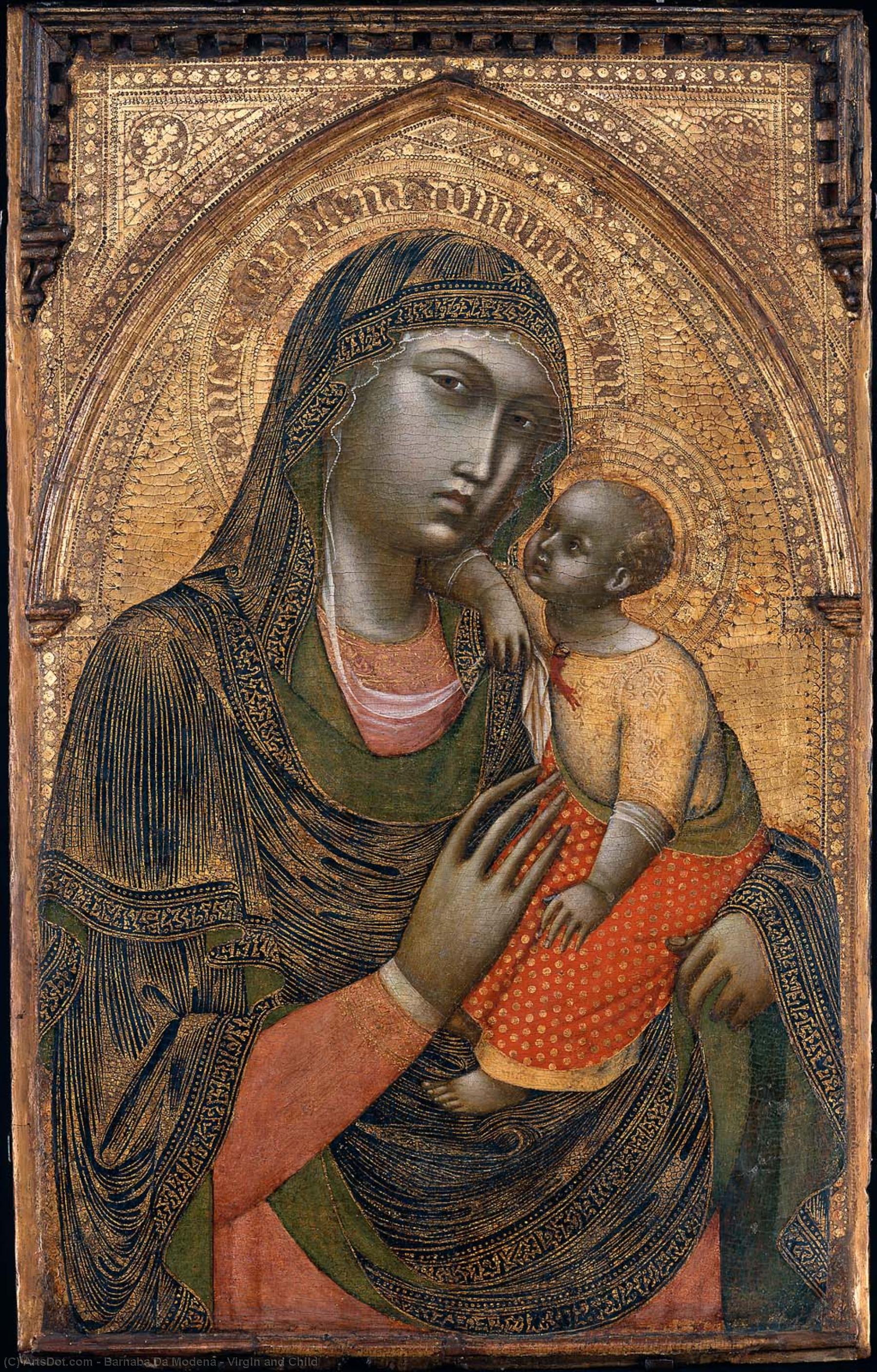
Virgin and Child

A tender Byzantine-inspired depiction of the Virgin Mary and Child by Barnaba da Modena captures a moment of divine protection from 1360, inviting you to bring this exquisite piece of Italian history into your collection.

Discover Barnaba da Modena (c. 1328-1386), a pioneering Lombard painter known for his Byzantine-influenced style & emotive works. Explore his Genoa art!

Отримайте файл, готовий до друку, якість якого значно перевищує веб-попередній перегляд. Кожне цифрове зображення, яке ми продаємо, створене на основі високої роздільної здатності з нашої бази даних — зазвичай від 5 000 до 15 000 пікселів по ширині — тому ви можете впевнено друкувати великі формати, робити щільну обрізку або відтворювати найдрібніші деталі.

Жоден файл не залишається в нашій студії без уваги. Експерт із цифрової обробки звіряє кольори з оригінальною картиною та за потреби коригує їх, після чого покращує чіткість і деталізацію за допомогою професійних інструментів ретушування — завжди зберігаючи вірність мазкам пензля та стилю художника. Результатом є зображення, яке виглядає як справжня картина, а не як відскановане фото з накладеними фільтрами.

Ви затверджуєте результат перед завершенням роботи: наш експерт надішле зображення електронною поштою протягом 72 годин для вашого перегляду. Не задоволені результатом? Ви можете попросити про внесення покращень чи виправлень або зажадати повернення коштів, якщо якість не відповідає вашим очікуванням.

Саме на таку якість покладаються видавництва, дизайн-студії, галереї та друкарні.

Цифрове зображення

Завантажте файл високої роздільної здатності для особистого використання, друку та творчих проєктів. ( Перейти до друку Замовити картину ручної роботи)

Підсумкова вартість

₴ 1117,14

Переваги кожного замовлення цифрових зображень

Експертна цифрова доставка з гарантією якості

Обираючи WahooArt.com, ви отримуєте не просто зображення — ви отримуєте професійно вдосконалений цифровий витвір мистецтва, створений з надзвичайною точністю та підкріплений гарантією задоволення. Ось усе, що автоматично додається до вашого замовлення:

Швидка доставка на email

Ваш цифровий файл із зображенням високої роздільної здатності буде надісланий вам електронною поштою протягом 72 годин після оформлення замовлення — він буде готовий до негайного використання.

Цифровий файл із покращенням ШІ

Ваш витвір мистецтва професійно оптимізовано за допомогою передових інструментів штучного інтелекту та ручної корекції, що забезпечує максимальну деталізацію, чіткість і точність передачі кольорів.

Безкоштовне повторне завантаження назавжди

Випадково видалили або втратили файл? Не хвилюйтеся — ми надішлемо його вам повторно в будь-який час безкоштовно.

Без митних зборів — завжди

Насолоджуйтесь вашим витвором мистецтва миттєво без жодних мит, зборів або плати за доставку — цифрові завантаження завжди не оподатковуються.

Гарантія точності кольорів

Ми гарантуємо максимально точне відтворення оригінальних кольорів на вашому цифровому зображенні завдяки використанню професійних інструментів та систем управління кольором.

100-денна гарантія задоволення

Якщо ви не задоволені придбаним цифровим зображенням, ми внесемо правки або повернемо 100% вартості протягом 100 днів — без зайвих запитань.

Гарантія повернення 100% коштів

Незадоволені покупкою? Отримайте повне повернення коштів протягом 100 днів після отримання цифрового файлу — без зайвих запитань.

Знижки на оптові замовлення

Купуйте 3 зображення — заощаджуйте 10% — Купуйте 5 — заощаджуйте 15% — Купуйте 10+ — заощаджуйте 20%. Чудово підходить для творчих проєктів, галерей та агентств.

Основна інформація

  • Dimensions: 100 x 63 cm
  • Title: Virgin and Child
  • Subject or theme: Madonna and Child, maternal tenderness
  • Artistic style: Byzantine-influenced Lombard painting

A Tender Encounter in Gold and Grace

In the quiet intimacy of Barnaba da Modena’s Virgin and Child, we are invited into a sacred moment that transcends the centuries. Created around 1360, this masterpiece serves as a profound window into the spiritual heart of the Trecento period. The painting captures a deeply human connection between the Virgin Mary and her infant son, presenting a scene where divine majesty meets maternal tenderness. As she cradles the young boy, there is an unmistakable sense of protection and warmth; the way she holds him close suggests a sanctuary of love amidst the grandeur of her celestial station. This is not merely a religious icon, but a poignant study of the bond between mother and child, rendered with a delicacy that speaks directly to the soul.

The visual language of the piece is heavily influenced by the Byzantine tradition, a stylistic choice that Barnaba da Modena championed with singular devotion. This influence is most evident in the luminous, ethereal quality of the figures and the use of ornate, symbolic elements. Above the Virgin’s head, an intricate crown rests, signaling her status as the Queen of Heaven, while the decorative archway framing the scene provides a sense of architectural permanence and sanctity. The interplay of light and shadow across the soft features of the Christ child creates a lifelike presence, grounding the divine subject matter in a palpable, earthly reality that continues to captivate viewers today.

A Masterpiece of Byzantine Echoes

To behold this work is to witness the bridge between the rigid formality of Eastern iconography and the burgeoning naturalism of the Italian Renaissance. Barnaba da Modena, working during a time of great cultural transition in Lombardy and beyond, utilized a technique that emphasizes texture and symbolic depth. The composition is balanced yet emotionally charged, making it an ideal centerpiece for those looking to infuse a space with historical gravity and contemplative peace. For the discerning collector or interior designer, this painting offers more than just aesthetic beauty; it provides a focal point of profound narrative strength.

Integrating a high-quality reproduction of this Virgin and Child into a curated collection allows for the introduction of a timeless, classical elegance. Whether placed in a sunlit gallery or a sophisticated contemporary living space, the painting’s rich historical context and emotive power act as a conversation starter. It evokes an era of craftsmanship where every brushstroke was an act of devotion, making it a perfect acquisition for those who appreciate art that possesses both a scholarly pedigree and a deeply moving emotional resonance.

Питання та відповіді

Якому художнику приписують роботу "Virgin and Child"?

Автором твору «Virgin and Child» є Barnaba Da Modena. Робота внесена до каталогу під іменем Barnaba Da Modena.

Чи доступна робота "Virgin and Child" у вигляді художнього принта?

Щоб замовити принт «Virgin and Child» роботи Barnaba Da Modena, просто перейдіть на його сторінку Художній принт: художній принт на бавовняному полотні або архівному канвас-папері.

Які розміри оригінального твору «Virgin and Child» роботи Barnaba Da Modena?

Розміри оригіналу «Virgin and Child» роботи Barnaba Da Modena становлять 100 x 63 cm. Репродукції можна замовити в інших розмірах із збереженням тих самих пропорцій.


Біографія митця

Barnaba da Modena (c. 1328 – c. 1386): A Byzantine Echo in Lombard Painting

Barnaba da Modena stands as a singular figure in the artistic landscape of fourteenth-century Italy—a pioneer who bravely championed a stylistic tradition largely abandoned by his contemporaries, firmly rooted in the grandeur and spirituality of Byzantium. Born around 1328 in Modena (Emilia), he emerged from obscurity to become arguably the first Lombard painter of considerable renown, leaving behind an impressive oeuvre that testifies to his unwavering devotion to this venerable artistic heritage. His activity spanned Lombardy, Piedmont, and Pisa in Tuscany, establishing him as a pivotal artist within the burgeoning cultural dynamism of the era.
  • Early Life & Training: Precise biographical details surrounding Barnaba’s formative years remain elusive. Records indicate he was active in Genoa from approximately 1364, where he secured patronage and honed his craft amidst a vibrant artistic milieu. This Genoese engagement undoubtedly exposed him to the prevailing stylistic currents of the time—a stark contrast to the increasingly naturalistic tendencies gaining traction elsewhere in Italy.
  • Byzantine Influence: Barnaba’s distinctive style is undeniably indebted to Byzantine painting, particularly its use of gold leaf and shimmering backgrounds. He meticulously replicated techniques perfected centuries earlier, prioritizing luminous color palettes and compositional schemes that emphasized symbolic grandeur rather than realistic representation. This commitment to tradition speaks volumes about his artistic sensibilities and reflects a profound understanding of the visual language of religious art.
  • Notable Works & Patronage: Barnaba’s prolific output encompassed around fifty paintings—a remarkable achievement considering the period—primarily focused on depictions of the Virgin Mary and Christ, often framed within elaborate architectural settings reminiscent of Byzantine churches. His commissions included prominent roles in Genoa’s Palazzo Ducale and contributed significantly to the artistic embellishment of ecclesiastical spaces throughout Lombardy.
  • Technique & Innovation: Despite adhering to Byzantine conventions, Barnaba demonstrated considerable technical skill—a testament to his meticulous attention to detail and masterful manipulation of pigment. His paintings exhibit a remarkable level of refinement, achieved through painstaking layering of glazes and incorporating subtle gradations of color that imbue the images with an ethereal quality.
  • Legacy & Influence: Barnaba’s artistic vision profoundly impacted subsequent generations of Lombard painters. Notably, Nicolò da Voltri continued his stylistic trajectory in Liguria until circa 1420, perpetuating Barnaba's Byzantine aesthetic and solidifying his position as a foundational figure in the development of Lombard painting. His enduring legacy resides not merely in his individual masterpieces but also in his contribution to shaping the artistic landscape of his time—a beacon of spiritual contemplation amidst the burgeoning complexities of the Renaissance.

Major Achievements & Artistic Style

Barnaba’s most celebrated achievements lie in his masterful execution of monumental frescoes adorning churches throughout Lombardy and Genoa. These works exemplify the pinnacle of Byzantine influence, characterized by:
  • Gold Leaf Backgrounds: Extensive use of gold leaf created radiant surfaces that evoked the splendor of imperial cathedrals—a deliberate stylistic choice reflecting Barnaba’s reverence for Byzantine iconography.
  • Symbolic Composition: Paintings prioritized conveying theological concepts through carefully orchestrated visual narratives, emphasizing spiritual significance over mere aesthetic beauty.
  • Luminous Color Palette: Barnaba skillfully employed vibrant hues—particularly blues and reds—to illuminate biblical scenes and imbue them with emotional intensity.

Connections & Artistic Context

Barnaba’s artistic milieu was shaped by the prevailing stylistic trends of his time, yet he steadfastly resisted the emerging naturalism championed by artists like Giotto di Bondone. He remained firmly committed to Byzantine principles—a conscious decision that distinguished him from many of his contemporaries and cemented his reputation as a champion of tradition. His work stands apart as an exceptional example of artistic integrity—a testament to his unwavering devotion to conveying spiritual truths through visual art.

Further Exploration

For deeper insights into Barnaba da Modena’s life and oeuvre, consult the following resources:
  • tiraboschi, Giuseppe Maria.Storia della letteratura lombarda dal secolo IX al XVI. Milano: Boccaveri Editore, 1867.
Barnaba Da Modena

Barnaba Da Modena

1328 - 1386 , Italy

Короткі факти

  • Full Name: Barnaba da Modena
  • Nationality: Italian
  • Date Of Birth: 1328
  • Date Of Death: 1386
  • Place Of Birth: Italy
  • Notable Artworks:
    • Madonna and Child
    • Crucifixion
  • Artistic Movement Or Style: Byzantine-influenced Lombard Painting
  • Artists Or Movements Influenced By This Artist: ['Nicolò da Voltri']