БЕЗКОШТОВНА КОНСУЛЬТАЦІЯ З МИСТЕЦТВА

x
Замовити друк Замовити друкЗамовити репродукцію Замовити репродукцію НадіслатиНадіслати
ДеталіДеталі Додати до улюблених Додати до улюблених ЗавантажитиЗавантажити Схожі виробиСхожі вироби Рентгенівське дослідженняРентгенівське дослідження Слайд-шоуСлайд-шоу

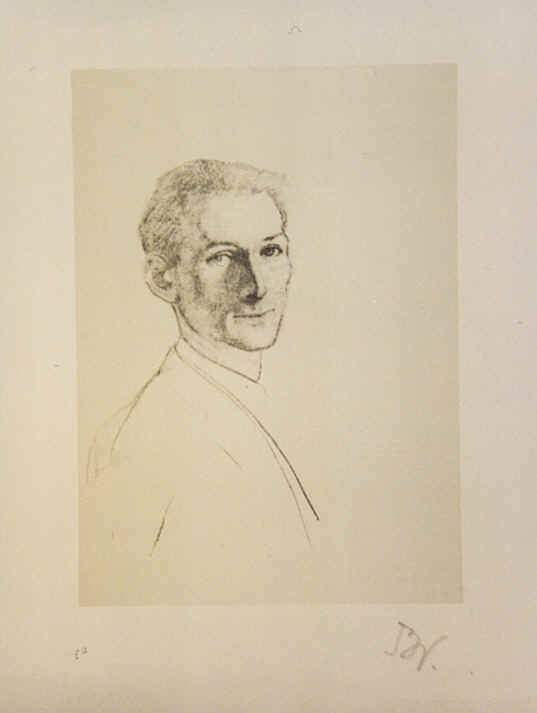
Self-portrait

Explore Balthus’s enigmatic self-portrait – a classical pencil sketch capturing understated elegance & psychological depth. Discover this unique artwork's style & legacy.

Балтас – французький художник, відомий своєю еротичною живописью та мрійливими портретами. Його унікальний класичний стиль і суперечлива спадщина захоплюють глядачів досі.

Придбайте цифрову копію високої роздільної здатності з покращеною якістю, що значно перевершує онлайн-перегляд.

Кожен файл ретельно підготовлений нашими фахівцями за допомогою сучасних інструментів та професійної ручної ретуші. Ми гарантуємо виняткову чіткість, точну передачу кольору та високу деталізацію кожного зображення.

Фінальний файл надсилається електронною поштою протягом 72 годин і оптимізований для негайного використання у професійних виданнях та друкованих матеріалах. Таку якість обирають провідні дизайнерські студії, видавництва та галереї.

Цифрове зображення

Завантажте файл високої роздільної здатності для особистого перегляду, друку та творчих проєктів.

Підсумкова ціна

$9.99

Включено в кожне замовлення цифрових зображень

Експертна цифрова доставка, гарантовано

Обираючи WahooArt.com, ви отримуєте не просто зображення — ви отримуєте професійно вдосконалений цифровий витвір мистецтва, створений з надзвичайною точністю та підкріплений гарантією задоволення. Ось усе, що автоматично додається до вашого замовлення:

shipping_icon
Швидка доставка на email

Ваш цифровий файл із зображенням високої роздільної здатності буде надісланий вам електронною поштою протягом 72 годин після оформлення замовлення — він буде готовий до негайного використання.

canvas_icon
Цифровий файл із покращенням ШІ

Ваш витвір мистецтва професійно оптимізовано за допомогою передових інструментів штучного інтелекту та ручної корекції, що забезпечує максимальну деталізацію, чіткість і точність передачі кольорів.

insurance_icon
Безкоштовне повторне надання послуг протягом усього життя

Випадково видалили або втратили файл? Не хвилюйтеся — ми надішлемо його вам повторно в будь-який час безкоштовно.

tax_icon
Без митних зборів — завжди

Насолоджуйтесь вашим витвором мистецтва миттєво без жодних мит, зборів або плати за доставку — цифрові завантаження завжди не оподатковуються.

color_icon
Гарантія точності кольорів

Ми гарантуємо, що ваше цифрове зображення максимально точно відтворює оригінальні кольори завдяки використанню професійних інструментів та систем управління кольором.

return_icon
Гарантія задоволення протягом 60 днів

Якщо ви не задоволені придбаним цифровим зображенням, ми відкоригуємо його або повернемо 100% вартості протягом 60 днів — без жодних запитань.

guarantee_icon
Гарантія повернення 100% коштів

Не задоволені покупкою? Отримайте повне повернення коштів протягом 60 днів після отримання цифрового файлу — без жодних запитань.

discount_icon
Знижки на оптові замовлення

Купуйте 3 зображення — заощаджуйте 10% — Купуйте 5 — заощаджуйте 15% — Купуйте 10+ — заощаджуйте 20%. Чудово підходить для творчих проєктів, галерей та агентств.

Схожі витвори мистецтва


Біографія митця

A World Apart: The Enigmatic Vision of Balthus

Balthasar Klossowski de Rola, universally known as Balthus, remains one of the most compelling and persistently debated figures in 20th-century art. Born in Paris on February 29, 1908, into a family steeped in intellectual and artistic circles—his father, Erich Klossowski, was a respected art historian, while his mother, Baladine Klossowska, possessed a remarkable artistic sensibility herself—his life unfolded as a deliberate rejection of prevailing artistic trends. He wasn’t driven by a desire to break with tradition; rather, he sought to revitalize classical forms with a distinctly modern sensibility, crafting a world uniquely his own – a realm often unsettling, perpetually captivating. From the outset, Balthus cultivated an aura of mystery, resisting biographical interpretations and insisting that his paintings should be experienced directly, without the mediation of external commentary.

Early Years: A Nomadic Existence and Artistic Foundations

Balthus’s early life was marked by a constant state of flux. The outbreak of World War I dramatically disrupted his upbringing, forcing his family to relocate repeatedly. His father, a Prussian art historian, had previously lived in East Prussia (now part of Russia), while his mother, Baladine, was born into a Polish noble family. This itinerant existence instilled within him a profound sense of displacement and introspection – an experience that would profoundly shape the themes and mood of his artistic output. He began drawing at a remarkably young age, demonstrating an exceptional aptitude for capturing form and atmosphere. Crucially, he received early encouragement from Rainer Maria Rilke, who recognized his talent and fostered his artistic inclinations during his mother’s relationship with the poet. This formative period instilled in Balthus a deep appreciation for psychological depth and symbolic resonance, profoundly influencing his approach to representation. He absorbed influences from diverse sources – pre-Renaissance Italian painters like Piero della Francesca and Simone Martini, alongside literary figures such as Emily Brontë and Lewis Carroll—creating an artistic language that defied easy categorization, blending classical restraint with a subtle undercurrent of unease.

The Shaping Years: Italy and the Renaissance Revival

A pivotal moment in Balthus’s development occurred when he traveled to Italy in 1924. This immersion in the art of the Italian Renaissance proved transformative. He became utterly captivated by the frescoes of Masaccio, Paolo Uccello, and Piero della Francesca – masters who had perfected the illusion of depth and light. These artists' meticulous attention to detail, their ability to imbue inanimate objects with a sense of life, and their mastery of perspective profoundly influenced Balthus’s technique. He sought to emulate their pale, powdery surfaces, striving for a similar ethereal quality in his own paintings. This period marked a decisive shift towards a more classical style, one that would become the hallmark of his mature work. It was during this time that he adopted the pseudonym “Balthus,” a name derived from his childhood nickname and imbued with an air of deliberate obscurity.

Controversy and Recognition: The Unsettling Beauty

Balthus’s early public exhibitions sparked immediate controversy, largely due to the suggestive nature of his paintings. Works like *The Guitar Lesson* (1933-35), depicting a young girl receiving instruction from an older man, ignited debate about the artist's intentions and the potential for erotic interpretation. Critics were divided – some lauded the painting’s psychological complexity and technical mastery, while others condemned its perceived obscenity. Balthus deliberately cultivated this ambiguity, resisting attempts to impose definitive interpretations on his work. He understood that controversy was an integral part of his artistic practice, a means of challenging conventional notions of beauty and prompting viewers to confront uncomfortable truths about desire, power, and the human condition. Throughout the 1930s and 40s, he continued to develop his distinctive style, characterized by elongated figures, dramatic lighting, and a meticulous attention to detail – often depicting adolescent girls in states of reverie or contemplation.

A Legacy of Introspection: Later Works and Enduring Influence

Despite the persistent controversy surrounding his work, Balthus achieved significant recognition during his lifetime. He held major exhibitions at the Museum of Modern Art in New York (1956), throughout Europe, and was appointed director of the Académie de France in Rome in 1961 – a prestigious position that further cemented his standing within the artistic establishment. His influence can be seen in the work of numerous contemporary artists, including Jan Saudek, Will Barnet, and Duane Michals, who share his interest in figurative painting, psychological realism, and the exploration of complex emotional states. Balthus’s enduring appeal lies not only in his technical virtuosity but also in his ability to tap into universal human experiences – the longing for connection, the fear of isolation, and the search for meaning in a chaotic world. His paintings are not merely images; they are portals into a realm of dreams, anxieties, and unspoken desires—a testament to the enduring power of art to challenge our perceptions and illuminate the hidden corners of the human soul. He died in 2001, leaving behind a body of work that continues to provoke, intrigue, and inspire debate.
Балтаз

Балтаз

1908 - 2001 , Франція

Короткі факти

  • Artistic Movement Or Style: Класицизм, Фігуративізм
  • Artists Or Movements Influenced By This Artist:
    • Рейнер Марія Рільке
    • Гюстав Курбе
  • Artists Who Influenced This Artist:
    • Мазаччо
    • Пієро делла Франческа
    • Когере
  • Date Of Birth: 29 лютого 1908
  • Date Of Death: 18 лютого 2001
  • Full Name: Балтазар Клосковскі де Рола
  • Nationality: Франко-польський
  • Notable Artworks:
    • La Rue
    • The Mountain
    • Girl at a Window
  • Place Of Birth: Париж, Франція