Переглянути в інтер'єрі Перегляд в AR Перейти до друку Перейти до цифрових зображень Надіслати як листівку
Деталі витвору Посібник Додати до улюблених Завантажити Схожі екземпляри Рентгенівське дослідження Слайд-шоу Q&A Статистика

David and Caspar Hand-painted oil painting reproduction

Experience the captivating portrait 'David and Caspar' by Augustus Edwin John (1912). A poignant depiction of two figures, showcasing post-impressionist style & a profound connection.

"Ukrainian Meta Description": "Авґуст Едвін Джон – відомий валлійський художник, що славиться своїми захопливими портретами та пейзажами. Його творчість відображає постімпресіонізм, а життя наповнене богемним стилем та цікавістю до роменської культури."

Мистецький твір, представлений на цій сторінці, захищений законом про авторське право, що унеможливлює легальне створення або продаж його ідентичної репродукції. Цей захист забезпечується відповідно до міжнародних угод, таких як Бернська конвенція та національним законодавством, зокрема положеннями, що викладені в Законодавство США про авторське право — Розділ 17. Всі права захищені. Будь-яке використання без дозволу заборонено.

Як шанобливу та законну альтернативу, ми пропонуємо унікальні картини ручної роботи, створені натхненням від оригіналу. Наші досвідчені професійні художники ретельно вивчають стиль, настрій та художню сутність оригіналу, щоб створити новий, неповторний твір, який викликає ті ж почуття, — залишаючись при цьому самобутнім творінням.

Цей метод повністю відповідає нормам авторського права, оскільки він не передбачає копіювання чи дублювання захищеного твору мистецтва. Натомість це творче переосмислення — створення нового малюнка під впливом оригіналу, який не є його точним відтворенням.

Олійная репродукція ручної роботи

Написана вручну олією на полотні у вашому розмірі та рамі, виготовлена на замовлення нашими художниками. ( Перейти до друку Перейти до цифрових зображень)

Corner sample of the P118B picture frame: формований полістирол, 5 cm wide and 3 cm thick
P118B ₴10
Corner sample of the P118H picture frame: формований полістирол, 5 cm wide and 3 cm thick
P118H ₴10
Corner sample of the P118W picture frame: формований полістирол, 5 cm wide and 3 cm thick
P118W ₴10
Corner sample of the P438Z picture frame: формований полістирол, 5.5 cm wide and 3.5 cm thick
P438Z ₴10
Corner sample of the P508JH picture frame: формований полістирол, 7 cm wide and 3.5 cm thick
P508JH ₴12
Corner sample of the P508YH picture frame: формований полістирол, 7 cm wide and 3.5 cm thick
P508YH ₴12
Corner sample of the P805H picture frame: формований полістирол, 5 cm wide and 3.5 cm thick
P805H ₴10
Corner sample of the P805Z picture frame: формований полістирол, 5 cm wide and 3.5 cm thick
P805Z ₴10
Corner sample of the P919BZ picture frame: формований полістирол, 7 cm wide and 3.5 cm thick
P919BZ ₴10
Corner sample of the P919G picture frame: формований полістирол, 7 cm wide and 3.5 cm thick
P919G ₴10
Corner sample of the P919XJ picture frame: формований полістирол, 7 cm wide and 3.5 cm thick
P919XJ ₴10
Corner sample of the P959ZH picture frame: формований полістирол, 5 cm wide and 3 cm thick
P959ZH ₴10
Corner sample of the P968JZ picture frame: формований полістирол, 6 cm wide and 4 cm thick
P968JZ ₴12
Corner sample of the W106C picture frame: масив дерева, 5 cm wide and 3 cm thick
W106C ₴8
Corner sample of the W218G picture frame: масив дерева, 5 cm wide and 3 cm thick
W218G ₴10
Corner sample of the W218JH picture frame: масив дерева, 5 cm wide and 3 cm thick
W218JH ₴8
Corner sample of the W218Y picture frame: масив дерева, 5 cm wide and 3 cm thick
W218Y ₴10
Corner sample of the W307PJ picture frame: масив дерева, 6 cm wide and 3 cm thick
W307PJ ₴10
Corner sample of the W316G picture frame: масив дерева, 6 cm wide and 3 cm thick
W316G ₴10
Corner sample of the W316PJ picture frame: масив дерева, 6 cm wide and 3 cm thick
W316PJ ₴8
Corner sample of the W316Y picture frame: масив дерева, 6 cm wide and 3 cm thick
W316Y ₴10
Corner sample of the W398PJ picture frame: масив дерева, 5 cm wide and 3 cm thick
W398PJ ₴8
Corner sample of the W4111J picture frame: масив дерева, 6.5 cm wide and 3.5 cm thick
W4111J ₴10
Corner sample of the W500HY picture frame: масив дерева, 7 cm wide and 5 cm thick
W500HY ₴15
Corner sample of the W500JH picture frame: масив дерева, 7 cm wide and 5 cm thick
W500JH ₴15
Corner sample of the W692G picture frame: масив дерева, 8 cm wide and 4 cm thick
W692G ₴12
Corner sample of the W849H picture frame: масив дерева, 5 cm wide and 3 cm thick
W849H ₴8
Corner sample of the W940BG picture frame: масив дерева, 7.5 cm wide and 4.5 cm thick
W940BG ₴15
Corner sample of the W953PJ picture frame: масив дерева, 6 cm wide and 3.5 cm thick
W953PJ ₴8

Стандартний розмір
індивідуальний розмір
CM
INCH

Обирайте з наших стандартних розмірів, що відповідають оригінальним пропорціям твору мистецтва.

ширина
висота

Введіть необхідну ширину та висоту, щоб картина підійшла до вашої рами або стіни. Оскільки це ручний розпис, для зміни пропорцій художник може дописати трохи більше по краях або дещо обрізати композицію — вибір за вами. Перед початком роботи ми надішлемо вам цифровий макет для затвердження. Зображення, показане на цій сторінці, не є реальним результатом — лише макет відображає майбутній вигляд.

Приклади можливих змін: замінити обличчя на фото клієнта; додати домашню тварину (наприклад, замінити кота на собаку); додати приховане повідомлення на фоні; змінити ландшафт або елементи фону.
Після оформлення замовлення команда WahooArt.com зв'яжеться з клієнтом електронною поштою для отримання інструкцій та надасть попередній макет

Доставка по всьому світу () за 3–4 тижні замість стандартних 5 тижнів. (30 Жовтень). Без жодних компромісів у якості.

Безкоштовна експрес-доставка по всьому світу
Високоякісне лляне полотно
Повне страхове покриття доставки
Гарантія повернення митних зборів
Гарантія точного відтворення кольорів
Політика повернення протягом 100 днів (лише у разі виявлення дефектів)
Гарантія повернення 100% коштів
Пропозиція на оптові замовлення

Загальна вартість

₴ 12168

David and Caspar

Матеріал репродукції

Розмір репродукції

-

Підсумкова вартість

₴ 12168

Основна інформація

  • Movement: Post-Impressionism
  • Artistic style: Portraiture
  • Notable elements: Two children, landscape
  • Artist: Augustus Edwin John
  • Year: 1912
  • Dimensions: 53 x 35 cm

Квіз про мистецтво

У кожному запитанні лише одна правильна відповідь.

Запитання 1:
What is the primary subject depicted in Augustus Edwin John’s ‘David and Caspar’?
Запитання 2:
In what year was ‘David and Caspar’ painted?
Запитання 3:
Augustus Edwin John was known for which artistic movement?
Запитання 4:
According to the image description, what is the overall style of ‘David and Caspar’?
Запитання 5:
What does the image description suggest about the time period in which ‘David and Caspar’ was created?

The Enigmatic Duo: David and Caspar

Augustus Edwin John’s “David and Caspar,” painted in 1912, isn't merely a portrait; it’s a carefully constructed tableau of youthful camaraderie and profound introspection. The canvas immediately draws the viewer into a quiet, sun-drenched meadow, dominated by two figures – a young boy, identified as David, and a slightly older youth, Caspar – standing in relaxed contemplation. Their postures are remarkably naturalistic, suggesting an easy familiarity born from shared experience and mutual respect. John masterfully captures the fleeting expressions of their faces, hinting at unspoken thoughts and a deep connection that transcends mere friendship. The scene is imbued with a palpable sense of serenity, yet beneath this surface tranquility lies a subtle current of melancholy, reflecting perhaps the transient nature of youth and beauty.

John’s style during this period leaned heavily into Post-Impressionism, characterized by bold brushstrokes, vibrant color palettes, and an emphasis on capturing subjective experience rather than photographic realism. He eschewed meticulous detail in favor of conveying mood and atmosphere. Notice the loose application of paint, particularly in the rendering of the sky – a wash of blues and purples that evokes both warmth and a hint of foreboding. The figures themselves are painted with a slightly flattened perspective, contributing to the overall sense of intimacy and immediacy. The choice of medium—oil on panel—allowed John to build up layers of color and texture, creating a rich and luminous surface.

Echoes of Myth and Romanticism

The pairing of “David” and “Caspar” is deliberately evocative, immediately conjuring associations with the biblical story of David and Jonathan. While not a direct illustration of that famous tale, John clearly intended to tap into its powerful themes of loyalty, brotherhood, and sacrifice. The names themselves—David, after the shepherd king, and Caspar, referencing the biblical figure known for his wisdom—suggest a deliberate layering of symbolism. Furthermore, the painting resonates with the spirit of Romanticism, a movement that prized emotion, individualism, and the sublime beauty of nature. The meadow setting, bathed in golden light, embodies this ideal – a space of tranquility and spiritual reflection.

The inclusion of Caspar adds an intriguing layer to the composition. He’s not simply a companion; he possesses a certain gravitas, a quiet intensity that contrasts with David's youthful exuberance. Some art historians have suggested that Caspar represents the older generation, offering guidance and wisdom to the younger boy. The subtle shift in gaze between the two figures—David looking slightly upwards, as if contemplating something beyond the immediate scene—further reinforces this interpretation. The painting invites us to ponder the complexities of human relationships and the enduring power of youthful bonds.

A Window into John’s World

Augustus Edwin John was a complex and often enigmatic figure, known for his bohemian lifestyle and unconventional artistic practices. Born in Wales, he spent much of his life traveling throughout Europe, immersing himself in diverse cultures and artistic traditions. His work is deeply personal, reflecting his own experiences and emotions. “David and Caspar” offers a glimpse into this world—a world of passionate friendships, spiritual quests, and a profound appreciation for the beauty of the natural world. The painting’s enduring appeal lies not only in its technical skill but also in its ability to evoke a sense of nostalgia and wonder.

Further research reveals that John was particularly fascinated by the Romani people, whom he often depicted in his paintings. His interest in their culture led him to travel extensively throughout Europe, documenting their lives and customs. The painting’s composition—with its emphasis on natural light and simple forms—can be seen as a reflection of this fascination with the beauty of everyday life. The inclusion of Caspar, a figure who appears to be of Romani descent, adds another layer of complexity to the painting's symbolism.

Useful Links:

Питання та відповіді

Яке місце посідає "David and Caspar" серед постійних тем Август Едвін Джон?

Повторювані теми Август Едвін Джон включають influenced by friedrich, john, romanticism, brotherhood, friendship, wales, bohemian life, travel; «David and Caspar» зосереджується на david, caspar, portrait, cowboy, landscape, victorian, brotherhood.

Який інтер'єр найкраще підкреслить кольори твору «David and Caspar» роботи Август Едвін Джон?

Кольорова палітра Earthy у творі «David and Caspar» роботи Август Едвін Джон ідеально підходить для рекомендованого інтер'єру: це Living Room.

«David and Caspar» роботи Август Едвін Джон — це портретна, пейзажна чи квадратна композиція?

«David and Caspar» роботи Август Едвін Джон має Portrait формат. Формат визначає пропорції композиції.


Біографія митця

A Welsh Bohemian: The Life and Art of Augustus Edwin John

Augustus Edwin John, a name synonymous with vibrant color and captivating portraits, emerged as one of the most distinctive figures in early 20th-century British art. Born on January 4, 1878, in the picturesque coastal town of Tenby, Wales, his life was a tapestry woven with artistic passion, bohemian adventures, and an unwavering pursuit of capturing the essence of human experience. From humble beginnings, John’s journey led him through diverse landscapes – from the rolling hills of Wales to the bustling studios of London, and finally, to a nomadic existence embracing the spirit of the Romani people. His art, characterized by its emotional intensity, fluid brushwork, and a remarkable ability to distill personality onto canvas, continues to resonate with audiences today.

Early Influences and Artistic Foundations

John’s artistic sensibilities were shaped by a confluence of influences, beginning with his mother's encouragement and early exposure to drawing. This nascent talent blossomed during his time at the Tenby School of Art, where he quickly demonstrated an exceptional aptitude for capturing form and light. However, it was his enrollment at the Slade School of Fine Art in London – a prestigious institution steeped in tradition – that truly provided him with a formal foundation. Under the tutelage of Henry Tonks, a renowned critic and teacher, John honed his draughtsmanship to an extraordinary degree, mastering the fundamentals of line, perspective, and composition. Crucially, he absorbed the spirit of the Old Masters, particularly the dramatic compositions and rich color palettes of Peter Paul Rubens, whose dynamic energy profoundly influenced his approach to painting. Simultaneously, he was drawn to the innovations of French contemporaries like Matisse and Gauguin, embracing their expressive use of color and rejection of rigid academic conventions. The subtle tonal harmonies of Puvis de Chavannes also left an indelible mark on his aesthetic vision, demonstrating a sensitivity to mood and atmosphere. These diverse influences coalesced into a unique style – one that prioritized capturing the *feeling* of a subject rather than merely replicating its appearance.

A Turning Point: Accident and Artistic Transformation

A pivotal moment in John’s life occurred in 1897 when he suffered a severe head injury during a diving accident in Tenby. This traumatic event dramatically altered his personality, unleashing a newfound spontaneity and boldness that would permeate both his life and art. The injury resulted in a loss of peripheral vision, forcing him to rely more heavily on his central field of sight – an experience that profoundly impacted his perception of the world and his approach to painting. He described this shift as a liberation from the constraints of academic technique, allowing him to paint with greater immediacy and emotional intensity. This newfound freedom manifested in looser brushwork, brighter colors, and a willingness to experiment with unconventional compositions. It was during this period that he began to develop his signature style – one characterized by vibrant hues, fluid lines, and an uncanny ability to capture the fleeting emotions of his subjects.

Portraits of Character: A Master of Psychological Insight

Augustus Edwin John is perhaps most celebrated for his captivating portraits, which transcend mere likeness to reveal profound psychological insights. He possessed a remarkable gift for capturing not just outward appearance but also the inner life and character of his sitters. His portraits are imbued with a sense of immediacy and spontaneity, as if he were freezing a fleeting moment in time. Royal figures like David Lloyd George, literary giants such as James Joyce, and prominent personalities like Francis Henry Crittall all found themselves immortalized on canvas by John’s discerning eye. He wasn't interested in creating idealized representations; instead, he sought to reveal the complexities of human nature – their vulnerabilities, passions, and quirks. His ability to convey a sitter’s personality through subtle gestures, expressions, and body language is what truly sets his portraits apart. Notable works like *Caspar* (1909), depicting a young boy with an innocent gaze, and *Air Mechanic Shaw* (1935), a powerful portrait of T.E. Lawrence, exemplify this extraordinary talent.

Beyond the Portrait: Romani Encounters and Nomadic Life

While renowned for his portraits, John’s artistic interests extended far beyond the confines of traditional genre painting. A profound fascination with Romani culture led him to embrace a nomadic lifestyle, traveling in a caravan with his family for an extended period. This immersive experience profoundly influenced his art, imbuing it with themes of freedom, wanderlust, and the beauty of the natural world. He documented his encounters with the Romani people through numerous paintings and sketches, capturing their vibrant costumes, expressive faces, and unique way of life. His deep connection to this community culminated in his presidency of the Gypsy Lore Society, a testament to his commitment to understanding and celebrating their rich cultural heritage. These experiences fostered a sense of empathy and openness that permeated his art, adding layers of depth and complexity to his work.

Legacy and Recognition

Throughout his career, Augustus Edwin John experienced both widespread acclaim and periods of critical fluctuation. Initially celebrated for his innovative oil sketching techniques and figure drawings, some critics later found his work to be overly flamboyant or lacking in painterly finesse. However, he remained a significant force in British art history, particularly during the interwar period. He was one of the few artists of his time to achieve widespread public recognition and played a crucial role in popularizing Post-Impressionism within the United Kingdom. Awarded the Order of Merit in 1942, John continued to paint and exhibit until his death on October 31, 1961, at the age of 89. His legacy is further enriched by the artistic achievements of his sister, Gwen John, whose own unique vision contributed significantly to the modernist movement. Today, Augustus Edwin John’s art continues to captivate and inspire, reminding us of the power of individual expression and the enduring allure of a life lived with passion and artistic integrity.
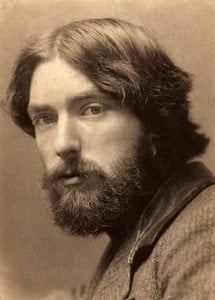
Август Едвін Джон

Август Едвін Джон

1878 - 1961 , Велика Британiя

Короткі факти

  • Artistic Movement Or Style: Пост-імпресіонізм
  • Artists Or Movements Influenced By This Artist: ['Сучасне британське живописство']
  • Artists Who Influenced This Artist:
    • Рубенс
    • Матісс
    • Гоген
  • Date Of Birth: 4 січня 1878
  • Date Of Death: 31 жовтня 1961
  • Full Name: Augustus Edwin John
  • Nationality: Уельзецький
  • Notable Artworks:
    • Caspar
    • Air Mechanic Shaw
  • Place Of Birth: Тенбідж, Уельс
Досліджуйте твори мистецтва, впорядковані за темами, стилями та характеристиками.