


Друк جيкле або на полотні музейної якості з оперативним виготовленням та різноманітними варіантами фінішної обробки. ( Замовити картину ручної роботи Перейти до цифрових зображень)





























Обирайте з наших стандартних розмірів, що відповідають оригінальним пропорціям твору мистецтва.

Введіть необхідну ширину та висоту, щоб принт ідеально підійшов до вашої рами або стіни. Принт можна лише обрізати, але не можна зробити більшим за оригінал, тому при зміні пропорцій частина зображення буде втрачена. Перед друком ми надсилаємо вам цифровий макет для затвердження. Зображення на цій сторінці не відображає реальну обрізку — її можна побачити лише на макеті.
Доставка по всьому світу () за 2 тижні замість стандартних 4/5 тижнів. (16 Листопад)
Veritas
Розмір репродукції
In this somber monochrome portrait, the figure of Veritas emerges from a deep, undifferentiated void. Painted by Arnold Böcklin about 1881, the work presents a female personification of Truth. She holds a long, slender sword upright in her right hand, a gesture that feels both steady and unyielding. Her gaze is direct, meeting the viewer with a stoic expression that suggests a quiet, piercing revelation. There is a sense of stillness here, as if she exists in a space removed from the passage of time.
The subject possesses a statuesque quality, her form rendered with a luminous skin texture that contrasts against the dark background. Fine, translucent folds of draped fabric fall from her head, adding a layer of soft, organic detail to her classical silhouette. The sharp, vertical line of the blade cuts through the composition, providing a rigid counterpoint to the curves of her anatomy. She does not merely exist within the frame; she commands the space with a presence that feels both ancient and immediate.
Through this allegorical lens, Arnold Böcklin explores themes of purity and strength. The grayscale palette strips away the distraction of color, forcing a confrontation with the subject's intense, singular purpose. Every shadow and highlight works to define her form, creating a sense of shallow depth that keeps the focus entirely on her unwavering stare and the metallic sheen of her weapon. Truth stands before us, stripped of ornament, defined only by her essence and her steel.
The composition centers on a vertical portrait, drawing the eye immediately to the upper torso and head of the woman. She holds a long, slender sword upright in her right hand, a sharp verticality that cuts through the space. This straight, rigid line of the blade provides a striking contrast to the soft, organic curves of her anatomy. The subject gazes directly toward the viewer with a stoic expression, her eyes meeting the observer in a moment of unyielding presence. Everything about her posture suggests a stillness that is both heavy and resolute.
Light and shadow perform a dramatic dance across the figure, creating a strong chiaroscuro effect. This interplay of light pulls her form out of a dark, undifferentiated void, giving the portrait a sense of shallow depth. The color palette remains strictly grayscale, stripping away the distraction of hue to focus entirely on the interplay of tone. One can almost feel the textures through the visual shifts: the smooth, luminous quality of the skin contrasts against the metallic sheen of the blade and the fine, translucent folds of the draped fabric falling from her head.
The work emerges from a style of academic realism infused with heavy allegorical symbolism. Every brushstroke seeks to ground the ethereal subject in a tangible, physical reality. This sense of presence is heightened by the medium, as the piece appears to be executed in oil on a small panel or canvas. The intimate scale of 27.4 x 21.8cm forces a close encounter with the subject, demanding a quiet, focused gaze to fully register the subtle shifts in light and form. It is a work that feels contained, as if the energy of the figure is being held within its modest boundaries.
A profound darkness defines the environment, with a background of deep black void that offers no sense of horizon or distance. This lack of setting pushes the figure forward, creating a sharp, dramatic contrast between the luminous skin and the surrounding nothingness. The light seems to strike the subject from an unseen source, carving out the anatomy with precision. This technique creates a sense of weight and volume, making the figure feel as though she is stepping out from the shadows into the viewer's immediate space. The composition remains fixed and steady, anchored by the verticality of the sword and the stillness of the pose.
Created about 1881, the painting relies on the interplay of light and shadow to define its narrative. The textures of the draped fabric and the metallic edge of the blade emerge from the darkness through careful application of pigment. There is a tension between the soft, organic lines of the human form and the rigid, unyielding geometry of the weapon. This visual dialogue between the living and the inanimate reinforces the allegorical weight of the scene, leaving the viewer to wonder at the silent strength held within this monochrome realm.
Ні — твір зберігається за кордоном. Твір "Veritas" зберігається в Німеччина, тоді як Арнольд Бёклін народився(-лася) в Швейцарія.
«Veritas» належить до Mature Period Арнольд Бёклін.
«Veritas» за авторством Арнольд Бёклін перебуває у є суспільним надбанням — термін дії авторського права закінчився. Термін дії авторського права розраховується з року смерті митця; Арнольд Бёклін помер(ла) у 1901.

Базель, Швейцарія, стає відправною точкою для життя, визначеного напругою між матеріальним і примарним. Народившись 16 жовтня 1827 року в родині Крістіана Фредеріка Бёкліна та Урсули Ліппе, цей юнак згодом вийде за межі торгової справи свого батька, присвятивши себе суворим залам Дюссельдорфської академії. Під керівництвом Шірмера він почав вбирати мову пейзажу — навичку, яка згодом допоможе йому картографувати географію людської душі. Він не просто малював краєвиди; він створював світи, де стикаються класика та макабризм.
Перехід від академічної дисципліни Дюссельдорфа до світла Парижа та античної вагомості Рима ознаменував фундаментальний зсув у його баченні. У Луврі він пізнав історію майстрів, але саме атмосфера Італії справді сформувала його руку. Він повернувся до Рима між 1862 і 1866 роками — у період, коли його палітра почала віддавати перевагу більш насиченим, експресивним кольорам. Це була не яскрава, залита сонцем Італія Відродження, а місце глибоких тіней та міфологічної важкості. Його роботи почали схилятися до алегорії, використовуючи постаті античності для дослідження важкої, неминучої присутності смерті.
До кінця XIX століття його репутація закріпилася завдяки специфічній, моторошній одержимості. Між 1880 і 1886 роками він створив п'ять версій картини Острів мертвих. Цей твір, натхненний англійським цвинтарем у Флоренції, де була похована його донька, став центральною точкою для символістського руху. Це сцена глибокої тиші: скелястий острів, темні кипариси та човен, що наближається до безмовної берегової лінії. Картина не просто зображує місце; вона описує стан буття. Ця здатність передавати невідчутне — шепіт снів та тягар потойбіччя — поставила його в центр нової європейської чутливості.
Його технічний підхід часто передбачав густий, експресивний імпасто, особливо в таких роботах, як La Guerre (1896). У цьому творі полотно тремтить від хаосу конфлікту. Він уникає чистих ліній традиціоналізму, віддаючи перевагу щільній, багатошаровій композиції, де постаті стикаються на тлі руйнованої архітектури. Це вісцеральне проявлення руйнування, де завіса між міфом і реальністю розчиняється в штормі тіней. Його стиль перетинався з прерафаелітами, проте він залишався самобутнім, зосередженим на містиці, яка відчувалася водночас давньою та тривожно сучасною.
Вплив його образів виходить далеко за межі полотна, сягаючи слухової сфери пізньоромантичної музики. Його картини стали візуальним стимулом для композиторів, зокрема вплинувши на атмосферу творчості Густава Малера. Здатність Арнольда Бёкліна наводити мости між візуальним і психологічним означала, що його вплив відчували ті, хто прагнув представити підсвідоме. Його творчий шлях торкнувся кількох поколінь митців:
Він помер у Фієзоле, Італія, залишивши по собі спадок, який неможливо легко класифікувати. Він був художником швейцарського пейзажу, римських таверн та міфологічних гаїв, проте його справжньою темою залишалася мовчазна, незмінна присутність невідомого. Його роботи зберігаються у визначних колекціях, зокрема в Kunstmuseum у Базелі та Kunsthaus Zürich, слугуючи орієнтирами для тих, хто досліджує перетин міфу та смертності.

1827 - 1901 , Швейцарія
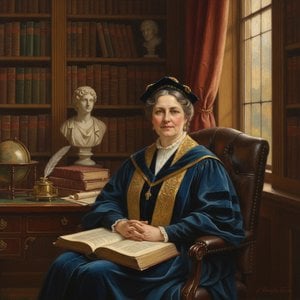
Discover the profound beauty of Academic Portraiture. Explore how classical realism captures prestige through meticulous technique, anatomical truth, and timeless elegance—perfect for discerning collectors seeking museum-quality mastery and historical grandeur.

Explore the clinical precision of German New Objectivity through masters like Otto Dix. Discover the truth behind the Weimar era's raw realism.

Discover the profound beauty of Classical Realism. Explore a curated guide to academic mastery, from technical precision to timeless elegance, perfect for discerning collectors seeking museum-quality excellence and bespoke artistry.

Master the art of decoding hidden symbols and visual allegories in historical masterpieces. Elevate your collection with expert insights.

Decode the profound symbolism of hands in masterworks from Van Gogh to Hindu mudras. Explore the silent language of art with our expert guide.
 Переглянути в інтер'єрі

 Надіслати як листівку
 Поділитися
 Деталі витвору
 Посібник


 Завантажити
 Схожі екземпляри
 Рентгенівське дослідження
 Слайд-шоу
 Питання та відповіді

 Статистика


 Розгорнути текст









 Скляний варіант доступний лише для розмірів до 110 см


