Першопроходець орієнталістських візій: Життя та мистецтво Александра Габріеля Декампа
Александр Габріель Декамп — ім'я, що резонує з яскравими барвами екзотичних ландшафтів та драматизмом романтизму, — став ключовою постаттю у французькому живописі XIX століття. Народившись у Парижі 3 березня 1803 року, він розпочав свій творчий шлях із відважних інновацій, кидаючи виклик академічним канонам і прокладаючи дорогу до того, що згодом отримало назву орієнталізм. Хоча такі сучасники, як Делакруа таенгрес, також посідали провідні позиції у французькому мистецькому світі, Декамп вирізнявся надзвичайно особистим стилем — поєднанням ретельної спостережливості, драматичної композиції та захопливої оповідної якості, що занурювала глядача у світи, водночас знайомі та абсолютно чужі. Його раннє визнання як талановитого художника передвіщало кар'єру, позначену критичним успіхом, що завершилося отриманням великої або наглядової медалі на Паризькій виставці 1855 року — свідченням його виняткової майстерності та унікального бачення. Поза межами полотна Декамп був людиною, глибоко пов'язаною з природою; він знаходив спокій і натхнення в сільській місцевості навколо Парижа, де присвячував себе пристрасті до тварин та полювання — захоплення, яке тонко пронизувало більшу частину його творчості.
Від Святого Письма до Сахари: Еволюція художнього стилю
Творчий розвиток Декампа характеризувався готовністю досліджувати різноманітні сюжети та техніки. Спочатку притягнутий історичними та біблійними сценами, він швидко здобув визнання завдяки зображенню цих наративів із безпрецедентним рівнем реалізму, вписуючи їх у автентичні місцеві декорації замість того, щоб покладатися на ідеалізовані чи традиційні репрезентації. Ця відданість правдоподібності випливала з його подорожей на Схід — досвіду, який глибоко вплинув на його художнє сприйняття. Він не просто зображував те, що бачив; він передавав відчуття атмосфери, світла та самої суті цих далеких земель.
Йосип, проданий братами, наприклад, є не просто ілюстрацією біблійної історії, а живим портретом конкретного часу й місця, сповненим емоцілої глибини та психологічної проникливості. Такий підхід поширився і на його масштабні історичні роботи, як-от
Поразка кімбрів, де він майстерно зафіксував хаос і жорстокість битви, демонструючи здатність працювати з великими композиціями з динамічною енергією. Проте саме його зображення східного життя справді виділили його серед інших. Він розкривав повсякденні сцени — ринки, школи, домашні інтер'єри — із такою точністю, що спочатку спантеличувала критиків, звиклих до більш романтизованих або стереотипних образів.
Батько орієнталізму та його тривалий вплив
Декампа справедливо вважають батьком-засновником орієнталізму у французькому живописі. До нього зображення Сходу часто проходили крізь призму фантазії та екзотики. Він представив інше бачення — те, що ґрунтувалося на безпосередньому спостереженні та щирій цікавості. Його виставка на Салоні 1831 року стала поворотним моментом, відкривши паризькій публіці непідроблений погляд на життя Північної Африки та Близького Сходу. Цей новаторський підхід знайшов відгук як у художників, так і в письменників, надихнувши хвилю орієнталістських творів, які домінували в мистецтві більшої частини XIX століття. Його стиль — що характеризується сміливими мазками, вражаючим контрастом світла й тіні та відчутним відчуттям атмосфери — став орієнтиром для поколінь живописців, фотографів та авторів.
Максим дю Кам знаменито прозвав його «Христофором Колумбом Сходу», визнаючи його піонерську роль у відкритті цієї нової мистецької території.
Албанська танцівниця, з її яскравими кольорами та енергійною композицією, уособлює його здатність вловити дух культури, зберігаючи при цьому виразно французьку естетичну чутливість. Навіть сатиричні роботи, такі як
Мавпячі знавці, грайливий випадок на адресу консервативної журі Академії витончених мистецтв, демонструють його готовність кидати виклик усталеним нормам і приймати більш незалежне художнє бачення.
Трагічний фінал та невмируща спадщина
На жаль, життя Декампа було перерване 22 серпня 1860 року у віці 57 років внаслідок нещасного випадку під час полювання поблизу Фонтенбло. Його передчасна смерть позбавила світ мистецтва справді інноваційного таланту, але його спадщина продовжує жити завдяки його захопливим картинам та їхній незмінній привабливості. Сьогодні такі шедеври, як
Пожежа в італійському селі, з її драматичним зображенням конфлікту та майстерним використанням імпасто, та
Бедуїн і верблюд, що відпочивають у пустелі, що демонструє текстури та спокій пустельного життя, шануються за їхню художню цінність та історичну значущість. Його роботи можна знайти в престижних установах, таких як Музей Лувр у Парижі, що гарантує, що його бачення продовжуватиме надихати та захоплювати аудиторію по всьому світу. Платформи, подібні до WahooArt.com, відіграють життєво важливу роль у збереженні та поширенні його мистецтва, пропонуючи високоякісні репродукції, які дозволяють поціновувачам особисто відчути красу та силу картин Декампа. Його вплив виходить за межі живопису, формуючи сприйняття Сходу та залишаючи незгладимий слід у культурному ландшафті Європи XIX століття.
Дослідження світу Декампа: Визначні роботи
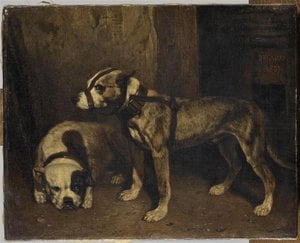
- CHIENS BRIFAUTS: Чарівна орієнталістська сцена, що демонструє собак у яскравому оточенні.
- LA COUR DE FERME: Захопливий твір XIX століття, що поєднує французький романтизм з історичною деталізацією.
- L’ÉCOLE TURQUE: Жваве зображення турецької школи, що передає енергію та атмосферу повсякденного життя.
- PAYSAGE TURC: Спокійний пейзаж, що досліджує реалізм і романтизм у французькому контексті.



 Переглянути в інтер'єрі
 Перейти до друку
 Надіслати як листівку
 Поділитися
 Детальніше

 Завантажити
 Схожі експонати
 Рентгенівське дослідження
 Слайд-шоу
 Статистика

 Читати далі






































 Скляний варіант доступний лише для розмірів до 110 см