


Друк جيкле або на полотні музейної якості з оперативним виготовленням та різноманітними варіантами фінішної обробки. ( Замовити картину ручної роботи Перейти до цифрових зображень)





























Обирайте з наших стандартних розмірів, що відповідають оригінальним пропорціям твору мистецтва.

Введіть необхідну ширину та висоту, щоб принт ідеально підійшов до вашої рами або стіни. Принт можна лише обрізати, але не можна зробити більшим за оригінал, тому при зміні пропорцій частина зображення буде втрачена. Перед друком ми надсилаємо вам цифровий макет для затвердження. Зображення на цій сторінці не відображає реальну обрізку — її можна побачити лише на макеті.
Доставка по всьому світу () за 2 тижні замість стандартних 4/5 тижнів. (3 Листопад)
In the Tavern
Розмір репродукції
In the dim, amber-hued atmosphere of Adriaen Brouwer’s In the Tavern, we are not merely observers of a painting, but uninvited guests at a seventeenth-century gathering. Painted around 1635, this masterpiece serves as a profound window into the Dutch Golden Age, an era where the glitter of global trade met a burgeoning fascination with the raw, unvarnished realities of human existence. Unlike the grand, idealized portraits of nobility that dominated previous centuries, Brouwer directs our gaze toward the humble and the everyday. The scene unfolds within the smoky, intimate confines of a tavern, capturing a fleeting moment of social ritual—men engaged in the quiet, personal acts of grooming and shaving amidst the low hum of a crowded room.
The emotional resonance of the work lies in its remarkable ability to find dignity in the mundane. There is a palpable sense of warmth and conviviality, yet it is tempered by a gritty realism that refuses to look away from the textures of poverty or the shadows of a life lived on the margins. For the modern collector or interior designer, this piece offers more than just a historical document; it provides an anchor of character and depth. It evokes a sense of nostalgia for a time when the simple pleasures of companionship and routine were the very fabric of society, making it an ideal centerpiece for spaces that value storytelling, heritage, and a sophisticated, earthy aesthetic.
Technically, In the Tavern is a triumph of Baroque sensibility. Brouwer utilizes an oil-on-canvas medium to achieve a breathtakingly tactile experience. His brushwork is famously visible, far from being mere decoration; instead, these deliberate strokes breathe life into the rugged surfaces of weathered wood, coarse fabrics, and human skin. The artist employs a masterful use of chiaroscuro, where light emerges from an unseen source to dance across the faces of his subjects, casting deep, dramatic shadows that lend the composition an incredible sense of three-dimensional volume.
The color palette is a sophisticated study in earth tones—rich ochres, deep umbers, and muted reds dominate the canvas, creating a cohesive and atmospheric environment. These warm hues are punctuated by subtle highlights of white and grey, which guide the eye through the complex composition. The way light catches the edge of a shaving tool or the fold of a sleeve creates an illusionistic depth that draws the viewer into the tavern's crowded corners. This interplay of light and shadow does more than define form; it sets a mood of intimacy and quiet drama, ensuring that every time one views this reproduction, new details emerge from the gloom.
To understand Brouwer is to understand the revolution of genre painting. As a pioneer of the movement, he moved away from religious iconography to document the "lower class" with an empathetic, almost journalistic eye. In In the Tavern, the subject matter—the grooming of men, the presence of children in the periphery, and the bustling background figures—serves as a subtle commentary on the social structures of the time. He captures the essence of tronies, focusing on the expressive power of facial movements and human emotion.
For those seeking to curate an art collection that speaks to the complexity of the human condition, Brouwer’s work offers unparalleled inspiration. His ability to blend the coarse with the beautiful, and the transient with the eternal, makes In the Tavern a timeless addition to any curated environment. It is a piece that does not just decorate a wall; it invites conversation, prompts reflection, and brings the vibrant, turbulent spirit of the seventeenth century into the contemporary home.
Кольори твору «In the Tavern» роботи Адріаен Бровер демонструють Strong Color Unity гармонію. Гармонія описує взаємозв'язок кольорів між собою.
Адріаен Бровер створив(ла) «In the Tavern» у межах течії Dutch Golden Age Painting.
Оригінал «In the Tavern» роботи Адріаен Бровер зберігається в Ермітаж, Saint Petersburg, Russia. Репродукція дозволяє прикрасити цим твором ваш дім.


1635 - 1638 , БЕЛЬГІЯ

Explore the captivating world of Adriaen Brouwer, a master of Dutch Golden Age genre painting. Discover his vivid depictions of peasant life, social commentary, and lasting influence on art history. Learn more at WahooArt.

Explore the dramatic mastery of the Dutch Baroque era. Discover how masters like Rembrandt used chiaroscuro to transform everyday life into timeless art. An expert guide for collectors and enthusiasts seeking to understand the profound interplay of light and shadow.

Explore the Dutch Golden Age of painting! Discover key artists like Vermeer & ter Borch, their innovative techniques, and the rich cultural context behind these Baroque masterpieces. Learn about collecting & appreciating this iconic art period.
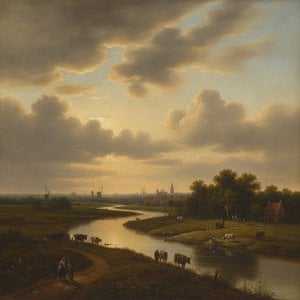
Discover the breathtaking beauty of Dutch Golden Age landscapes. Explore the mastery of light, chiaroscuro, and 17th-century realism through an expert art history lens, celebrating the enduring legacy of the Dutch Masters for discerning collectors and art lovers.

Відкрийте для себе 10 шедеврів Золотої доби нідерландського мистецтва! Рембрандт, Вермеєр та інші майстри. Історія створення, унікальні техніки та натхнення для вашого інтер'єру. Репродукції картин високої якості – WahooArt.com
 Переглянути в інтер'єрі
 Надіслати як листівку
 Поділитися
 Деталі витвору
 Посібник

 Завантажити
 Схожі екземпляри
 Рентгенівське дослідження
 Слайд-шоу
 Питання та відповіді
 Статистика


 Розгорнути текст









 Скляний варіант доступний лише для розмірів до 110 см


