


Отримайте файл, готовий до друку, якість якого значно перевищує якість веб-попереднього перегляду. Кожне цифрове зображення, яке ми продаємо, створене на основі високої роздільної здатності з нашої бази даних — зазвичай від 5 000 до 15 000 пікселів по ширині — тому ви можете впевнено друкувати у великому форматі, робити щільну обрізку або відтворювати найдрібніші деталі.
Жоден файл не залишається в нашій студії без уваги. Експерт із цифрової обробки звіряє кольори з оригінальною картиною та за потреби коригує їх, після чого покращує чіткість і деталізацію за допомогою професійних інструментів ретушування — завжди зберігаючи вірність мазкам пензля та стилю художника. Результатом є зображення, яке виглядає як справжня картина, а не як відскановане фото з накладеними фільтрами.
Ви затверджуєте результат перед завершенням замовлення: протягом 72 годин наш експерт надішле зображення електронною поштою для вашого перегляду. Не задоволені результатом? Ви можете попросити про внесення змін чи виправлень або отримати відшкодування, якщо якість не відповідає вашим очікуванням.
Саме на таку якість покладаються видавництва, дизайн-студії, галереї та друкарні.
Завантажте файл високої роздільної здатності для особистого використання, друку та творчих проєктів. ( Перейти до друку Замовити картину ручної роботи)
Обираючи WahooArt.com, ви отримуєте не просто зображення — ви отримуєте професійно вдосконалений цифровий витвір мистецтва, створений з надзвичайною точністю та підкріплений гарантією задоволення. Ось усе, що автоматично додається до вашого замовлення:
Ваш цифровий файл із зображенням високої роздільної здатності буде надісланий вам електронною поштою протягом 72 годин після оформлення замовлення — він буде готовий до негайного використання.
Ваш витвір мистецтва професійно оптимізовано за допомогою передових інструментів штучного інтелекту та ручної корекції, що забезпечує максимальну деталізацію, чіткість і точність передачі кольорів.
Випадково видалили або втратили файл? Не хвилюйтеся — ми надішлемо його вам повторно в будь-який час безкоштовно.
Насолоджуйтесь вашим витвором мистецтва миттєво без жодних мит, зборів або плати за доставку — цифрові завантаження завжди не оподатковуються.
Ми гарантуємо максимально точне відтворення оригінальних кольорів на вашому цифровому зображенні завдяки використанню професійних інструментів та систем управління кольором.
Якщо ви не задоволені придбаним цифровим зображенням, ми внесемо правки або повернемо 100% вартості протягом 100 днів — без зайвих запитань.
Незадоволені покупкою? Отримайте повне повернення коштів протягом 100 днів після отримання цифрового файлу — без зайвих запитань.
Купуйте 3 зображення — заощаджуйте 10% — Купуйте 5 — заощаджуйте 15% — Купуйте 10+ — заощаджуйте 20%. Чудово підходить для творчих проєктів, галерей та агентств.
Addison Norton Scurlock's 1911 photograph of W. E. B. Du Bois stands as more than just a portrait; it is a meticulously crafted document of an era, a visual embodiment of the complex social and intellectual currents shaping early 20th-century America. The image captures Du Bois not merely as a prominent scholar and activist, but as a man wrestling with the profound “double consciousness” – a term he himself coined – that defined the Black experience in a nation grappling with its own identity. Scurlock’s skill lies not just in his technical proficiency, but in his ability to subtly convey the weight of this historical burden through composition, light, and the very gaze of the subject.
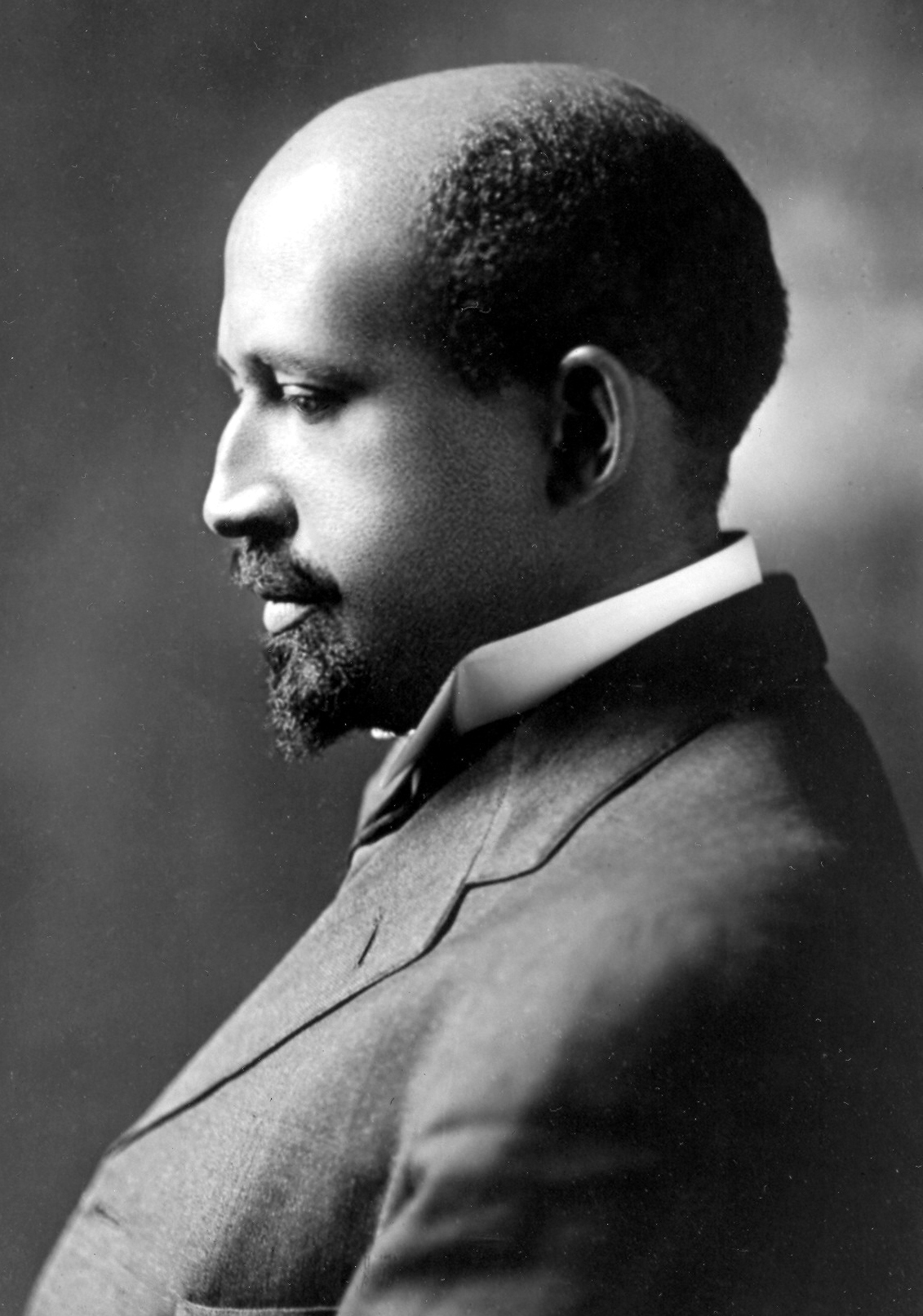
(Image courtesy of Smithsonian Archives)
Scurlock's work was deeply rooted in the vibrant, yet often overlooked, community of African Americans in Washington D.C. during this period. He wasn’t simply a portraitist; he was an active participant in documenting the daily lives, cultural expressions, and political aspirations of Black Washingtonians. His studio became a central hub, a place where families sought dignified portraits – a tangible assertion of their presence and identity within a society that frequently denied them recognition. The photograph itself reflects this community engagement, hinting at a setting beyond the formal studio, suggesting a moment captured in a more relaxed, intimate environment.
The backdrop, though subtly rendered, speaks volumes about the era. It’s not a grand cityscape or an opulent interior; instead, it suggests a quiet street scene – a deliberate choice that anchors Du Bois within his immediate context and highlights his connection to the everyday realities of Black life in Washington.
Scurlock's mastery is evident in the photograph’s nuanced details. The use of black and white gelatin silver print lends a timeless quality, with subtle tonal variations creating depth and texture. Note the careful control of light – it illuminates Du Bois’s face, drawing attention to his thoughtful expression while leaving the background softly shadowed. This technique emphasizes the subject's presence without overwhelming him. The composition is carefully balanced; Du Bois’s posture conveys a sense of quiet contemplation, while his slightly turned head invites the viewer into his thoughts.
Furthermore, Scurlock’s use of photographic techniques—particularly in capturing the subtle nuances of expression—demonstrates an understanding that went beyond mere documentation. He was striving to create a portrait that resonated with both intellectual and emotional depth.
Du Bois's gaze, directed slightly off-camera, is particularly significant. It’s not a direct, confrontational stare; rather, it suggests introspection and a considered awareness of his position within American society. This subtle shift in focus powerfully embodies the concept of "double consciousness" – the feeling of always looking at oneself through the eyes of others, as articulated by Du Bois himself. The photograph becomes a visual representation of this internal struggle: the simultaneous experience of being both an African American and an American citizen.
The image serves as a poignant reminder of the challenges faced by Black intellectuals during this period – the constant need to navigate racial prejudice while striving for social justice and intellectual advancement. Scurlock’s photograph is not simply a portrait; it's a powerful testament to Du Bois’s legacy and the enduring significance of his ideas.
Рекомендований спосіб використання «W. E. B. Du Bois» роботи Аддісон Н. Скурлок — це Reflective. Також він може слугувати для інших цілей.
Переважаючий відтінок твору «W. E. B. Du Bois» роботи Аддісон Н. Скурлок — Green to Violet Spectrum. Цей колір є основою всієї палітри.
«W. E. B. Du Bois» була створена Аддісон Н. Скурлок у стилі Black Washington Photography. Автор та художній напрям визначають традицію цього твору.


1883 - 1964 , Сполучені Штати Америки
 Переглянути в інтер'єрі
 Надіслати як листівку
 Поділитися
 Деталі витвору
 Посібник

 Завантажити
 Схожі екземпляри
 Рентгенівське дослідження
 Слайд-шоу
 Питання та відповіді
 Статистика


 Розгорнути текст


