Переглянути в інтер'єрі Примірка в AR Перейти до друку Перейти до цифрових зображень Надіслати
Деталі Посібник Додати до улюблених Завантажити Схожі предмети колекціонування Рентгенівське дослідження Слайд-шоу Статистика переглядів

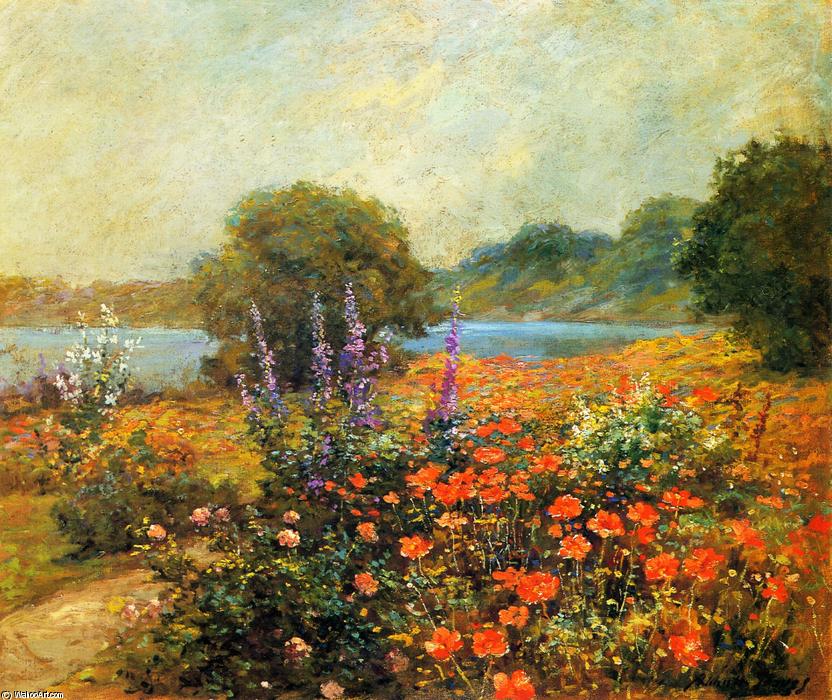
Poppies

The painting depicts a serene landscape featuring a field brimming with vibrant poppies and purple flowers under the watchful gaze of trees. Two birds soar above, completing this idyllic tableau created by Abbott Fuller Graves in 1905.

Олійная репродукція ручної роботи

Написана вручну олією на полотні у вашому розмірі та рамі, виготовлена на замовлення нашими художниками. ( Перейти до друку Перейти до цифрових зображень)

P118B 10
P118H 10
P118W 10
P438Z 10
P508JH 12
P508YH 12
P805H 10
P805Z 10
P919BZ 10
P919G 10
P919XJ 10
P959ZH 10
P968JZ 12
W106C 8
W218G 10
W218JH 8
W218Y 10
W307PJ 10
W316G 10
W316PJ 8
W316Y 10
W398PJ 8
W4111J 10
W500HY 15
W500JH 15
W692G 12
W849H 8
W940BG 15
W953PJ 8

Стандартний розмір
на замовлення
CM
INCH

Обирайте з наших стандартних розмірів, що відповідають оригінальним пропорціям твору мистецтва.

ширина
висота

Ви можете вказати власні розміри, щоб репродукція ідеально підійшла до конкретної рами або інтер'єру. Якщо вибраний вами розмір не відповідає пропорціям оригіналу, ми або обріжемо полотно, або доповнимо картину додатковими елементами, промальованими вручну. Цифровий макет буде надіслано вам на затвердження перед початком виробництва.
Зверніть увагу, що попередній перегляд на екрані не відображає фактичне обрізання або розширення зображення. Тільки макет точно покаже остаточну композицію.
Хоча ми можемо виготовити виріб у нестандартному розмірі, для збереження оригінальних пропорцій рекомендуємо обирати варіанти зі встановленого списку.

Приклади можливих змін: замінити обличчя на фото клієнта; додати домашню тварину (наприклад, замінити кота на собаку); додати приховане повідомлення на фоні; змінити ландшафт або елементи фону.
Після оформлення замовлення команда WahooArt.com зв'яжеться з клієнтом електронною поштою для отримання інструкцій та надасть попередній макет

Доставка по всьому світу () за 3–4 тижні замість стандартних 5 тижнів. (28 Вересень). Без жодних компромісів у якості.

why_choose_icon
Безкоштовна експрес-доставка по всьому світу
why_choose_icon
Високоякісне лляне полотно
why_choose_icon
Повне страхове покриття доставки
why_choose_icon
Гарантія повернення митних зборів
why_choose_icon
Гарантія точного відтворення кольорів
why_choose_icon
Політика повернення протягом 100 днів (лише у разі виявлення дефектів)
why_choose_icon
Гарантія повернення 100% коштів
why_choose_icon
Знижка на оптові замовлення

Загальна вартість

₴ 12117

reproduction

Poppies

Техніка репродукції

Розмір репродукції

-

Загальна вартість

₴ 12117

Короткі факти

  • Artist: abbott fuller graves
  • Year: 1905
  • Medium: Oil on canvas
  • Artistic style: Landscape painting
  • Title: Poppies
  • Influences: Georges Seurat
  • Notable elements or techniques: Pointillist technique

Тест на знання мистецтва

У кожному запитанні лише одна правильна відповідь.

Запитання 1:
What is the primary artistic technique employed by Abbott Fuller Graves in "The Field"?
Запитання 2:
The painting depicts a vibrant landscape featuring what prominent floral element?
Запитання 3:
In what year was "The Field" created?
Запитання 4:
What is the medium of this artwork?
Запитання 5:
The painting aims to convey a sense of what overall mood or atmosphere?

Georges Seurat: Bridging Science and Beauty

Georges Seurat’s “La Grenouillère” – literally “The Pond” – stands as an emblem of Impressionism's audacious embrace of scientific inquiry. Painted in 1876, this monumental canvas depicts a Parisian café scene brimming with life, yet it’s far from merely capturing a snapshot of everyday existence. Instead, Seurat meticulously constructed his artwork using a revolutionary technique known as Pointillisme, pioneered alongside Paul Signac.

  • The Technique: Pointillisme wasn't about blending colors; it was about applying tiny dots of pure pigment onto the canvas surface. These dots, individually colored and strategically positioned, refract light and blend optically in the viewer’s eye—a process meticulously documented by Seurat himself.
  • Scientific Foundations: Seurat’s approach drew heavily from Chevreul's Color Theory, which posits that complementary colors stimulate each other, creating vibrancy and enhancing visual perception. He painstakingly calculated the chromatic coordinates of each dot to achieve optimal color harmony.
  • Historical Context: Impressionism emerged as a reaction against the academic tradition dominating French art academies. Artists like Seurat sought to liberate painting from rigid conventions, prioritizing subjective experience and capturing fleeting moments of light and atmosphere.

The scene itself is deceptively simple—a café terrace populated by men and women enjoying drinks and conversation. However, beneath the surface lies a profound exploration of color and perception. Seurat’s palette utilizes bold hues – reds, blues, yellows – arranged in discrete patches that shimmer with reflected light. This deliberate fragmentation contributes to an unsettling yet captivating effect; it invites viewers to actively participate in constructing the image.

Symbolism:

The pond itself—a recurring motif in Seurat’s oeuvre—represents both physical space and psychological depth. It symbolizes tranquility amidst urban bustle, mirroring the artist's own quest for intellectual clarity and artistic innovation. The figures within the café are rendered with meticulous detail, yet their faces remain largely obscured, emphasizing the importance of emotion and intuition over precise representation.

  • Emotional Impact: “La Grenouillère” evokes a sense of immediacy and dynamism—a feeling that captures the vibrant energy of Parisian life. Yet, there’s also an underlying tension created by Seurat's technique; it compels viewers to confront the complexities of visual perception.

“La Grenouillère” remains a cornerstone of Impressionist art history and continues to inspire artists and collectors alike. Its enduring appeal lies not only in its aesthetic beauty but also in its audacious intellectual ambition—a testament to Seurat’s unwavering belief that art could illuminate the mysteries of human consciousness.