Donatello, 1386 – 1466

The 100 Most Famous Paintings by Donatello

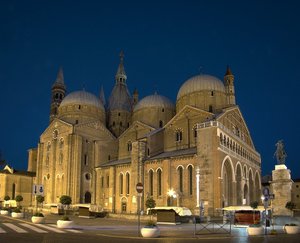
The painting that made Donatello famous is Madonna and Child between St Francis and St Anthony (1448); it hangs in the Basilica di Sant'Antonio, Padua. Cantoria (1439) and Entombment (1447) follow it in the hearts of collectors and museum visitors. Of the 148 works by Donatello in our catalogue, these 100 are the most admired, each presented with its date, its museum and what sets it apart.

Ranked by our popularity score, which combines the searches, visits and orders for each work. Updated Ekim 2026. Every masterpiece on this page can be ordered as a museum-quality, hand-painted oil reproduction or a fine art print, at the size you choose.

Portrait of Donatello
Donatello · 1386 – 1466
Born · died
1386 – 1466, Floransa
Movement
Early renaissance
Works in our catalogue
148
Most famous
Madonna and Child between St Francis and St Anthony (1448)
Most works at
Museo dell'Opera del Duomo

Donatello: the ten masterpieces

Madonna and Child between St Francis and St Anthony (1448) by Donatello
1

Madonna and Child between St Francis and St Anthony

1448 · Bronze · Basilica di Sant'Antonio, Padua

In the heart of the Italian Renaissance, where the shadows of antiquity met the burgeoning light of humanism, Donatello breathed life into metal with his masterpiece, Madonna and Child between St Francis and St Anthony. Created around 1448, this profound bronze sculpture serves as a window into a period of unparalleled spiritual and artistic transformation. The composition is a masterclass in symmetrical grace; at its center, the Virgin Mary cradles…

Cantoria (1439) by Donatello
2

Cantoria

1439 · Marble · Museo dell'Opera del Duomo, Floransa

To stand before Donatello’s Cantoria is to witness the very moment the Renaissance found its pulse. Completed around 1439 for the Cathedral of Santa Maria del Fiore in Florence, this monumental marble relief is far more than a functional singers' gallery; it is a breathtaking explosion of movement and spiritual ecstasy. While much of the era’s sculpture remained tethered to the static, formal traditions of the Byzantine style, Donatello broke…

Entombment (1447) by Donatello
3

Entombment

1447 · Oil On Canvas · Basilica di Sant'Antonio, Padua

To stand before Donatello's depiction of the Entombment is to be enveloped in an atmosphere so thick with grief, it feels almost palpable. This scene transcends mere narrative illustration; it is a profound meditation on loss, sacrifice, and the solemn weight of human devotion. The composition draws the viewer into the immediate aftermath of unimaginable tragedy. Jesus Christ lies within the tomb, not merely as a subject, but as the…

Miracle of the Repentant Son (1447) by Donatello
4

Miracle of the Repentant Son

1447 · Acrylic · Basilica di Sant'Antonio, Padua

Donatello’s bronze sculpture, "Miracle of the Repentant Son," transcends mere representation; it's a profound meditation on faith, remorse, and divine grace. Created in 1447 during the apex of his artistic maturity, this work embodies the burgeoning humanism and emotional depth that defined the Early Renaissance in Florence. More than just a depiction of a biblical miracle – the restoration of a severed limb by St. Anthony – it’s a study…

Crucifix (1412) by Donatello
5

Crucifix

1412 · Acrylic On Canvas · Santa Croce, Floransa

Donatello's 1412 Crucifix, housed within the Basilica of Santa Croce in Florence, isn’t merely a depiction of Christ on the cross; it’s a visceral experience. This early Renaissance masterpiece transcends simple representation, plunging the viewer into the heart of Christian theology and embodying the profound tension between suffering and redemption. Crafted from richly-toned pearwood, the sculpture immediately commands attention with its remarkably realistic portrayal of the human form – a…

Annunciation (1435) by Donatello
6

Annunciation

1435 · Acrylic On Canvas · Santa Croce, Floransa

Donatello’s 1435 Annunciation, housed within the Basilica di Santa Croce in Florence, isn’t merely a depiction of a biblical moment; it’s a profound meditation on grace, humility, and the transformative power of faith. Commissioned during a pivotal period of artistic innovation – bridging the Gothic and Renaissance eras – this sculpture embodies Donatello's revolutionary approach to humanism and his masterful command of classical forms. The scene unfolds with an arresting…

St George (detail) (1416) by Donatello
7

St George (detail)

1416 · Marble · Museo Nazionale del Bargello, Floransa

The marble figure of St. George, sculpted by Donatello around 1416, stands as more than just a depiction of a saint; it's a pivotal moment in the evolution of Renaissance sculpture – a testament to the artist’s innovative spirit and his profound understanding of human form and narrative. Originally gracing the north wall of Orsanmichele, Florence’s imposing guildhall, this statue immediately captivated viewers with its dynamic energy and strikingly realistic…

Herod's Banquet (1427) by Donatello
8

Herod's Banquet

1427 · Bronze · Siena Vaftizhanesi, Siena

Donatello's Herod’s Banquet, crafted around 1427 for the baptismal font of Siena’s San Giovanni Baptistery, isn’t merely a depiction of a biblical episode; it’s a profound meditation on power, betrayal, and the chilling consequences of unchecked ambition. Commissioned amidst the competitive fervor of Renaissance Florence and Siena, this bronze relief stands as a testament to Donatello's burgeoning mastery – a pivotal work that showcases his innovative approach to sculpture and…

Bearded Prophet (1418) by Donatello
9

Bearded Prophet

1418 · Bronze · Museo dell'Opera del Duomo, Floransa

In the heart of the Florentine Renaissance, where the shadows of antiquity began to dance with the light of new humanism, Donatello breathed life into bronze with his Bearded Prophet. Created around 1418, this monumental figure is far more than a mere sculpture; it is a profound meditation on the weight of divine knowledge and the solemnity of faith. As one gazes upon the weathered surface of the bronze, there…

St. John the Evangelist (1415) by Donatello
10

St. John the Evangelist

1415 · Marble

St. John the Evangelist is a marble sculpture created by the artist Donatello. Dated 1410, this work depicts one of the twelve apostles of Jesus. The subject is rendered as an elderly man, presented with a face etched with lines and a gaze that suggests a state of contemplation and wisdom. This choice of representation presents the figure as a philosopher-like individual.

More Donatello masterpieces, 11 to 100

St Mark (1411) by Donatello
#11

St Mark

1411 · Orsanmichele

Within the echoing halls of Orsanmichele in Florence, stands Donatello's sculpture of St. Mark – more than just a depiction of a biblical figure; it is a profound…

Prophet with Scroll (detail) (1418) by Donatello
#12

Prophet with Scroll (detail)

1418 · Museo dell'Opera del Duomo

To stand before this detail of a prophet is to encounter a moment suspended in time—a profound echo from the heart of the Italian Renaissance. The marble itself,…

St John on Patmos (1428) by Donatello
#13

St John on Patmos

1428

The St John on Patmos painting, created by the renowned artist Donatello in 1428, is a stunning example of Renaissance art. This masterpiece is a testament to Donatello's…

David (detail) (1409) by Donatello
#14

David (detail)

1409 · Museo Nazionale del Bargello

To stand before this detail of Donatello's David is to encounter not merely a sculpture, but a profound meditation on nascent heroism. The marble seems to breathe with…

Pietà (1447) by Donatello
#15

Pietà

1447 · Basilica di Sant'Antonio

In the quiet sanctity of the Basilica di Sant’Antonio in Padua, there exists a moment frozen in bronze, a profound intersection of divine tragedy and human vulnerability. Donatello’s…

Pulpit (on the right) (1465) by Donatello
#16

Pulpit (on the right)

1465 · San Lorenzo Bazilikası

In the hallowed, sun-drenched silence of the Basilica of San Lorenzo in Florence, there exists a sculptural marvel that captures the very essence of a soul nearing its…

Prophet Jeremiah (1423) by Donatello
#17

Prophet Jeremiah

1423 · Museo dell'Opera del Duomo

To stand before Donatello’s Prophet Jeremiah is to encounter not merely carved stone, but the very weight of human contemplation. This marble masterpiece transports us into a moment…

Prophet Habakkuk (1427) by Donatello
#18

Prophet Habakkuk

1427 · Museo dell'Opera del Duomo

In the heart of Florence, within the hallowed halls of the Museo dell'Opera del Duomo, stands a figure that seems to breathe with the weight of centuries. Donatello’s…

Pulpit (1438) by Donatello
#19

Pulpit

1438 · Museum of the Cathedral

The Pulpit by Donatello emerged from the stone and the shared vision of a workshop. In 1438, the artist completed this marble structure, working alongside collaborators Michelozzo and…

Miracle of the New-born Child (detail) (1447) by Donatello
#20

Miracle of the New-born Child (detail)

1447 · Basilica di Sant'Antonio

This bronze detail captures an aged figure rendered with profound realism. The sculpture focuses on the upper torso and head, where deep wrinkles and facial contours convey experience…

Miracle of the Ass (1447) by Donatello
#21

Miracle of the Ass

1447 · Basilica di Sant'Antonio

In the heart of the Italian Renaissance, amidst the burgeoning humanism of Florence, Donatello breathed life into metal with his 1447 masterpiece, The Miracle of the Ass. This…

Cantoria (detail) (1439) by Donatello
#22

Cantoria (detail)

1439 · Museo dell'Opera del Duomo

The “Cantoria,” or Singing Gallery, crafted by the towering figure of Donatello between 1439 and 1440, isn't merely a decorative element within Florence’s Duomo; it’s an immersive experience,…

Evangelist Luke (1428) by Donatello
#23

Evangelist Luke

1428

The "Evangelist Luke" is a remarkable painting created by the renowned artist Donatello in 1428. This stunning work of art, crafted from stucco and measuring 215 x 215…

Bring it home →
Pulpit (detail) (1438) by Donatello
#24

Pulpit (detail)

1438 · Museo dell'Opera del Duomo

To look closely at this detail from the pulpit is to witness a quiet revolution in stone. The marble figures emerge from their setting with a sense of…

Christ before Pilate and Caiaphas (1460) by Donatello
#25

Christ before Pilate and Caiaphas

1460 · San Lorenzo Bazilikası

Donatello's 1460 bronze sculpture, “Christ Before Pilate and Caiaphas,” stands as a monumental achievement within the burgeoning artistic landscape of the Italian Renaissance. Housed in the San Lorenzo…

David (1409) by Donatello
#26

David

1409 · Museo Nazionale del Bargello

To stand before Donatello’s David is not merely to observe a sculpture; it is to witness a suspended moment of profound human potential. Carved from luminous marble, this…

St George and the Dragon (1416) by Donatello
#27

St George and the Dragon

1416 · Museo Nazionale del Bargello

Gazing upon this marble bust is to confront a moment frozen in time—a powerful confluence of classical revivalism and raw human emotion. The subject, rendered with breathtaking verisimilitude,…

Saint George (1417) by Donatello
#28

Saint George

1417 · Museo Nazionale del Bargello

In the heart of Florence, where the echoes of the Quattrocento still resonate through the cobblestone streets, stands a figure of unparalleled poise and quiet strength. Donatello’s Saint…

St John the Evangelist (detail) (1410) by Donatello
#29

St John the Evangelist (detail)

1410 · Museo dell'Opera del Duomo

Donatello's “St John the Evangelist (detail),” a remarkably preserved marble sculpture created around 1410-1411, stands as a pivotal work in the transition from the late Gothic to the…

St John the Evangelist (1410) by Donatello
#30

St John the Evangelist

1410 · Museo dell'Opera del Duomo

St John the Evangelist is a marble sculpture created by the artist Donatello. The work is dated 1410. It depicts one of the twelve apostles of Jesus, specifically…

Deposition (detail) (1465) by Donatello
#31

Deposition (detail)

1465 · San Lorenzo Bazilikası

Donatello's Deposition, a pivotal work from 1465, isn’t merely a depiction of Christ being lowered from the cross; it’s a profound meditation on grief, loss, and the nascent…

Commission a hand-painted copy →
North pulpit (1460) by Donatello
#33

North pulpit

1460 · San Lorenzo Bazilikası

To stand before the North Pulpit is to witness a profound moment in the evolution of Western art, where the rigid structures of the Middle Ages began to…

David (1430) by Donatello
#35

David

1430 · Museo Nazionale del Bargello

Michelangelo’s “David,” a colossal marble sculpture residing within the Galleria dell’Accademia in Florence, isn't merely a depiction of a biblical hero; it’s an embodiment of human potential, a…

Commission a hand-painted copy →
Miracle of the Avaricious Man's Heart (1447) by Donatello
#37

Miracle of the Avaricious Man's Heart

1447 · Basilica di Sant'Antonio

Within the hallowed, sun-drenched walls of the Basilica di Sant’Antonio in Padua, there exists a moment frozen in time, a bronze whisper of the divine captured by the…

Allegoric Figure of a Boy (Atys), rear view (1430) by Donatello
#38

Allegoric Figure of a Boy (Atys), rear view

1430 · Museo Nazionale del Bargello

To stand before an image evoking this bronze figure is to feel the very breath of the Renaissance wind against one's skin. This depiction, titled Allegoric Figure of…

St George (detail) (1416) by Donatello
#39

St George (detail)

1416 · Museo Nazionale del Bargello

In the heart of Florence, within the hallowed halls of the Museo Nazionale del Bargello, resides a fragment of eternal courage. Donatello’s St. George, specifically captured in this…

Cantoria (detail) (1439) by Donatello
#40

Cantoria (detail)

1439 · Museo dell'Opera del Duomo

In the heart of Florence, within the hallowed halls of the Museo dell’Opera del Duomo, lies a fragment of divine ecstasy known as the Cantoria. Created by the…

Marzocco (1419) by Donatello
#43

Marzocco

1419 · Museo Nazionale del Bargello

In the heart of the Renaissance, amidst the political tremors and cultural rebirth of 15th-century Florence, Donatello breathed life into stone to create one of the city's most…

Prophet Jeremiah (detail) (1423) by Donatello
#44

Prophet Jeremiah (detail)

1423 · Museo dell'Opera del Duomo

Donatello's “Prophet Jeremiah (detail),” a poignant study carved from pristine white marble around 1423-1427, transcends mere portraiture to become a profound meditation on faith, suffering, and the weight…

Commission a hand-painted copy →
Cantoria (detail) (1439) by Donatello
#45

Cantoria (detail)

1439 · Museo dell'Opera del Duomo

Donatello's "Cantoria," a breathtaking detail from the larger marble relief adorning the south sacristy doors of the Duomo in Florence, isn’t merely a sculpture; it’s a vibrant snapshot…

Order a reproduction →
Herod's Banquet (detail) (1427) by Donatello
#46

Herod's Banquet (detail)

1427 · Siena Vaftizhanesi

In the hallowed, quiet corridors of the Siena Baptistery, there exists a moment frozen in time, captured not in paint, but in the enduring strength of bronze. Donatello’s…

Miracle of the Avaricious Man's Heart (detail) (1447) by Donatello
#47

Miracle of the Avaricious Man's Heart (detail)

1447 · Basilica di Sant'Antonio

The Miracle of the Avaricious Man's Heart is a remarkable bronze relief created by the renowned Italian artist Donatello in 1447. This stunning work of art is located…

Bearded Prophet (detail) (1418) by Donatello
#48

Bearded Prophet (detail)

1418 · Museo dell'Opera del Duomo

Donatello's "Bearded Prophet" – often referred to as “Pensieroso,” meaning “the Thinker” – stands not merely as a sculpture, but as a profound meditation on humanity’s relationship with…

Cantoria (detail) (1439) by Donatello
#49

Cantoria (detail)

1439 · Museo dell'Opera del Duomo

Donatello's Cantoria, a breathtaking marble relief sculpture from the Duomo di Firenze (Florence Cathedral), isn’t merely a decorative element; it’s a vibrant snapshot of Renaissance ambition and artistic…

Commission a hand-painted copy →
Prophet Jeremiah (1423) by Donatello
#50

Prophet Jeremiah

1423 · Museo dell'Opera del Duomo

Prophet Jeremiah is a marble sculpture created by the artist Donatello. Dated 1423, the work represents a significant religious subject through the depiction of the biblical prophet. The…

South pulpit (1460) by Donatello
#51

South pulpit

1460 · San Lorenzo Bazilikası

Donatello’s Passion Pulpit, a monumental bronze ensemble housed within the Basilica of San Lorenzo in Florence, isn’t merely a religious depiction; it’s a visceral embodiment of the artist’s…

Commission a hand-painted copy →
Deposition (1465) by Donatello
#52

Deposition

1465 · San Lorenzo Bazilikası

Donatello's Deposition, completed in 1465, isn’t merely a sculpture; it’s a profound meditation on loss, faith, and the raw vulnerability of humanity. Carved from rich, burnished bronze –…

St George (1416) by Donatello
#53

St George

1416 · Museo Nazionale del Bargello

Donatello’s “St. George,” sculpted in 1416 for the Museo Nazionale del Bargello in Florence, isn’t merely a depiction of a biblical hero; it’s a potent distillation of Renaissance…

Cantoria (1439) by Donatello
#54

Cantoria

1439 · Museo dell'Opera del Duomo

Within the hallowed halls of the Museo dell'Opera del Duomo in Florence resides a sculpture that transcends mere stone and marble – it is an embodiment of Renaissance…

Faith (1427) by Donatello
#55

Faith

1427 · Siena Vaftizhanesi

Donatello's "Faith," crafted in bronze around 1427-1429 for the baptismal font within Siena Cathedral, stands as a pivotal work bridging the late Gothic and burgeoning Early Renaissance styles.…

Old Sacristy (1428) by Donatello
#56

Old Sacristy

1428 · San Lorenzo Bazilikası

To step into the Old Sacristy within the Basilica of San Lorenzo is to leave the chaotic bustle of Florence behind and enter a realm of profound mathematical…

Annunciation (detail) (1435) by Donatello
#57

Annunciation (detail)

1435 · Santa Croce

Donatello's "Annunciation," specifically this exquisite detail from the relief adorning the Cavalcanti Chapel in Santa Croce, Florence, stands as a pivotal moment in the burgeoning Renaissance. Crafted around…

Order a reproduction →
Pulpit (on the left) (1465) by Donatello
#58

Pulpit (on the left)

1465 · San Lorenzo Bazilikası

Within the serene confines of San Lorenzo church in Florence resides a sculpture that transcends mere marble; it is a profound meditation on faith, humanity, and the very…

Order a reproduction →
Prophet with Scroll (1418) by Donatello
#59

Prophet with Scroll

1418 · Museo dell'Opera del Duomo

Donatello’s “Prophet with Scroll,” crafted between 1415 and 1418, stands as a pivotal work in the burgeoning Early Renaissance of Florence. More than simply a depiction of biblical…

St John the Evangelist (1410) by Donatello
#60

St John the Evangelist

1410 · Museo dell'Opera del Duomo

Donatello’s “St John the Evangelist,” completed between 1410 and 1411, isn't merely a sculpture; it’s an invitation into a realm of contemplative grace. Carved from pristine white marble,…

Commission a hand-painted copy →
Prophet Habakkuk (1427) by Donatello
#61

Prophet Habakkuk

1427 · Museo dell'Opera del Duomo

In the hallowed, sun-drenched halls of the Museo dell'Opera del Duomo in Florence, there exists a figure that seems to breathe with the heavy weight of centuries. Donatello’s…

Entombment (1465) by Donatello
#62

Entombment

1465 · San Lorenzo Bazilikası

Donatello's “Entombment,” completed around 1465 in Florence, stands as a monumental achievement within the Early Renaissance—a sculpture that transcends mere representation to embody profound human emotion and theological…

Cantoria (9) (1439) by Donatello
#63

Cantoria (9)

1439 · Museo dell'Opera del Duomo

Donatello's "Cantoria," completed in 1439 for the Duomo of Florence, isn’t merely a decorative element; it’s a vibrant embodiment of Renaissance ideals – a testament to human ingenuity,…

Bring it home →
Lamentation over the Dead Christ by Donatello
#64

Lamentation over the Dead Christ

Victoria and Albert Museum

Donatello, one of the most influential artists of the Italian Renaissance, created the Lamentation Over The Dead Christ around 1455-1460. This remarkable bronze relief is currently housed in…

St George (1416) by Donatello
#65

St George

1416 · Museo Nazionale del Bargello

Donatello's *Saint George*, sculpted in 1416 during the nascent Renaissance, is more than just a marble statue; it’s a potent distillation of classical ideals interwoven with burgeoning humanist…

St John the Baptist (1438) by Donatello
#66

St John the Baptist

1438 · Santa Maria Gloriosa dei Frari

Donatello’s “St. John the Baptist,” sculpted around 1438 in Carrara marble and now residing within the serene Chapel of St. John the Baptist at Santa Maria Gloriosa dei…

Order a reproduction →
Chellini Madonna, verso by Donatello
#68

Chellini Madonna, verso

Victoria and Albert Museum

Donatello's "Chellini Madonna," a bronze relief cast in the mid-15th century, stands as a remarkably intimate and profoundly moving work within the artist’s oeuvre. More than simply a…

St Cosmas and St Damian (1428) by Donatello
#69

St Cosmas and St Damian

1428

Two figures emerge from an ornate stone backdrop, their presence defined by a quiet, shared intensity. These men, identified as the twin saints Cosmas and Damian, are positioned…

St Mary Magdalen (1457) by Donatello
#70

St Mary Magdalen

1457 · Museo dell'Opera del Duomo

St Mary Magdalen is a sculptural work created by the Italian Renaissance sculptor Donatello. This figure is slightly larger than life size and was originally made for the…

Bust of Niccolo da Uzzano (1430) by Donatello
#71

Bust of Niccolo da Uzzano

1430 · Museo Nazionale del Bargello

Donatello's 1430s marble bust of Niccolò da Uzzano is more than just a sculpted likeness; it’s a profound meditation on leadership, duty, and the quiet strength required to…

Crucifixion (1465) by Donatello
#72

Crucifixion

1465 · Museo Nazionale del Bargello

A Moment Frozen in Time: Donatello’s Crucifixion The bronze sculpture “Crucifixion” by Donatello stands as an enduring testament to the artistic fervor of the Florentine Renaissance, capturing not…

Pulpit (1438) by Donatello
#79

Pulpit

1438 · Cathedral

A Masterpiece of Renaissance Sculpture: Donatello's Marble Pulpit Donatello’s marble pulpit, created in 1438 for the Church of San Lorenzo in Florence, stands as a pivotal work within…

Commission a hand-painted copy →
Agony in the Garden (1465) by Donatello
#80

Agony in the Garden

1465 · San Lorenzo Bazilikası

Giovanni Bellini's "Agony in the Garden," housed within the venerable halls of the National Gallery, London, isn’t merely a depiction of a biblical scene; it’s a profound meditation…

Commission a hand-painted copy →
Funeral Monument to John XXIII (detail) (1435) by Donatello
#81

Funeral Monument to John XXIII (detail)

1435 · Baptistery

The Funeral Monument to John XXIII (detail) is a work by the sculptor Donatello. This specific fragment captures a moment of stillness within a larger funerary structure. It…

Chellini Madonna, recto by Donatello
#82

Chellini Madonna, recto

Victoria and Albert Museum

To gaze upon the Chellini Madonna is to step into the very heart of the Florentine Renaissance, where the divine and the human intersect through the masterful hands…

Hope (1427) by Donatello
#83

Hope

1427 · Siena Vaftizhanesi

Within the quiet, hallowed space of the Baptistery of San Giovanni in the Siena Cathedral, a figure emerges from the shadows of a shallow marble niche. This is…

St Mark (1411) by Donatello
#84

St Mark

1411 · Orsanmichele

In the Orsanmichele of Florence, a marble figure of St Mark emerges from its Gothic niche, marking a departure from the rigid traditions of the Middle Ages. Created…

St Rossore (1425) by Donatello
#86

St Rossore

1425 · Museo Nazionale di San Matteo

In the quiet presence of Donatello’s St Rossore, one does not merely observe a sculpture; one encounters a profound dialogue between the earthly and the divine. Created around…

Musician Angels (1447) by Donatello
#90

Musician Angels

1447 · Basilica di Sant'Antonio

In the hallowed stillness of the Basilica of Saint Anthony in Padua, there exists a moment where time seems to suspend itself, captured forever in the shimmering bronze…

Donatello's paintings by period

The subjects Donatello painted most

The four subjects that return most often among these masterpieces, with the finest example of each.

Where to see Donatello's paintings

The 8 museums that hold the most of the paintings on this page.

Museum City Works by Donatello Paintings from this list
Museo dell'Opera del Duomo, FloransaMuseo dell'Opera del Duomo Floransa 22 Cantoria, Bearded Prophet, Prophet with Scroll (detail)
Museo Nazionale del Bargello, FloransaMuseo Nazionale del Bargello Floransa 13 St George (detail), David (detail), David
Basilica di Sant'Antonio, PaduaBasilica di Sant'Antonio Padua 12 Madonna and Child between St Francis and St Anthony, Entombment, Miracle of the Repentant Son
San Lorenzo Bazilikası, FloransaSan Lorenzo Bazilikası Floransa 12 Pulpit (on the right), Christ before Pilate and Caiaphas, Deposition (detail)
Piazza del Santo, PaduaPiazza del Santo Padua 6 Equestrian Statue of Gattamelata (8), Equestrian Statue of Gattamelata (11), Equestrian Statue of Gattamelata
Siena Vaftizhanesi, SienaSiena Vaftizhanesi Siena 4 Herod's Banquet, Herod's Banquet (detail), Faith
Baptistery, FloransaBaptistery Floransa 4 Funeral Monument to John XXIII (detail), Funeral Monument to John XXIII (detail), Funeral Monument to John XXIII (detail)
Santa Croce, FloransaSanta Croce Floransa 3 Crucifix, Annunciation, Annunciation (detail)

Donatello, decade by decade: the defining painting of each

  1. 1400s
    David (detail) (1409) by Donatello
    Rank 14 / 100

    David (detail)

    Age 14 – 23 · Museo Nazionale del Bargello

    To stand before this detail of Donatello's David is to encounter not merely a sculpture, but a profound meditation on nascent heroism. The marble seems to breathe with…

  2. 1410s
    Crucifix (1412) by Donatello
    No. 5 of 100

    Crucifix

    Age 24 – 33 · Santa Croce

    Donatello's 1412 Crucifix, housed within the Basilica of Santa Croce in Florence, isn’t merely a depiction of Christ on the cross; it’s a visceral experience. This early Renaissance…

  3. 1420s
    Herod's Banquet (1427) by Donatello
    Rank 8 / 100

    Herod's Banquet

    Age 34 – 43 · Siena Vaftizhanesi

    Donatello's Herod’s Banquet, crafted around 1427 for the baptismal font of Siena’s San Giovanni Baptistery, isn’t merely a depiction of a biblical episode; it’s a profound meditation on…

  4. 1430s
    Cantoria (1439) by Donatello
    No. 2 of 100

    Cantoria

    Age 44 – 53 · Museo dell'Opera del Duomo

    To stand before Donatello’s Cantoria is to witness the very moment the Renaissance found its pulse. Completed around 1439 for the Cathedral of Santa Maria del Fiore in…

  5. 1440s
    Madonna and Child between St Francis and St Anthony (1448) by Donatello
    Rank 1 / 100

    Madonna and Child between St Francis and St Anthony

    Age 54 – 63 · Basilica di Sant'Antonio

    In the heart of the Italian Renaissance, where the shadows of antiquity met the burgeoning light of humanism, Donatello breathed life into metal with his masterpiece, Madonna and…

  6. 1450s
    St Mary Magdalen (1457) by Donatello
    Rank 70 / 100

    St Mary Magdalen

    Age 64 – 73 · Museo dell'Opera del Duomo

    St Mary Magdalen is a sculptural work created by the Italian Renaissance sculptor Donatello. This figure is slightly larger than life size and was originally made for the…

  7. 1460s
    Pulpit (on the right) (1465) by Donatello
    Rank 16 / 100

    Pulpit (on the right)

    Age 74 – 80 · San Lorenzo Bazilikası

    In the hallowed, sun-drenched silence of the Basilica of San Lorenzo in Florence, there exists a sculptural marvel that captures the very essence of a soul nearing its…

Donatello's masterpieces: questions and answers

Which painting is Donatello best known for?Show the answer

Madonna and Child between St Francis and St Anthony (1448), Basilica di Sant'Antonio, Padua. Next come Cantoria (1439) and Entombment (1447).

How old was Donatello when painting Madonna and Child between St Francis and St Anthony?Show the answer

62 years old: Madonna and Child between St Francis and St Anthony dates from 1448 and Donatello was born in 1386.

What are Donatello's ten greatest paintings?Show the answer

Madonna and Child between St Francis and St Anthony, Cantoria, Entombment, Miracle of the Repentant Son, Crucifix, Annunciation, St George (detail), Herod's Banquet, Bearded Prophet and St. John the Evangelist. The ranking above gives the year and the museum of each.

How many works did Donatello paint?Show the answer

Our catalogue lists 148 works by Donatello, dated from 1406 to 1465.

In which museums can I see Donatello's masterpieces?Show the answer

Most of them are in Museo dell'Opera del Duomo (Floransa), Museo Nazionale del Bargello (Floransa) and Basilica di Sant'Antonio (Padua). The table above lists the museums one by one.

When did Donatello paint the masterpieces?Show the answer

In 1430s: 22 of the 100 works on this page date from then, among them Cantoria.

What are the first and last famous paintings of Donatello?Show the answer

The earliest on this page is Prophet (left of the Porta della Mandorla) (1406), the latest Pulpit (on the right) (1465).

What were Donatello's favourite subjects?Show the answer

Sculpture (34), Marble (17) and Florence (12), among the 100 works on this page.

Which technique did Donatello favour?Show the answer

Marble: 27 of the 100 works on this page.

What art movement is Donatello part of?Show the answer

Early renaissance, as the paintings on this page show.

Which masterpieces by Donatello hang at the Museo dell'Opera del Duomo?Show the answer

Cantoria, Bearded Prophet and Prophet with Scroll (detail) are among the 21 works on this page held by the Museo dell'Opera del Duomo, Floransa.

Can I own a reproduction of a Donatello masterpiece?Show the answer

Yes. Every painting on this page can be ordered as a museum-quality, hand-painted oil reproduction or a fine art print, in the size you choose, from the painting's own page.

The life of Donatello

Donatello'nun Yaşamı ve Kimliği

Tarih boyunca Donatello olarak tanınan Donato di Niccolò di Betto Bardi, ömrünü İtalya'nın Floransa şehri sınırları içerisinde geçirmiştir. Şehrin taş ve bronz aracılığıyla kendi imajını yeniden şekillendirmeye başladığı bir dönem olan 1386 yıllarında dünyaya gelmiştir. Floransa manzarasındaki varlığı, sarsılmaz bir el ustalığı ve figürlerinin fiziksel gerçekliğine olan odaklanmasıyla sürekli bir iz bırakmıştır. O, mermerin sertliğinden balmumunun akışkanlığına kadar işlediği malzemelerin ağırlığını derinden kavrayan bir İtalyan Rönesans heykeltıraşıydı.

Onun çalışmaları, kusursuzluğun peşinde tek başına yapılan bir uğraş değil, zamanının ihtiyaçlarına verilmiş bir dizi yanıt niteliğindeydi. Floransa sokaklarında farklı malzemelerle çalışarak, kendine has ve insani bir varlığı yakalayan figürler bırakarak ilerledi. Çevresi tarafından cana yakın ve sevilen bir kişilik olarak bilinse de, bir atölye yönetmenin pratik zorluklarıyla mücadele etmiştir. Çoğu zaman ellerinin zamanında bitirebileceğinden daha fazla iş üstlenmiş; bu durum bazen son dokunuşları başkalarına bırakmasına, bazen de eserlerini beklenenden daha geç teslim etmesine neden olmuştur. Bu aşırı iş yükü altına girme eğilimi, onun bir atölyenin yönetiminden ziyade yaratım eyleminin kendisiyle daha çok ilgilenen bir sanatçı olduğunu göstermektedir.

Donatello, 13 Aralık 1466 tarihinde Floransa'da hayata gözlerini yumdu. Geride, heykeltıraşların insan formuna yaklaşımını değiştiren, geçmişin katı geleneklerinden daha ayakları yere basan ve dışavurumcu bir noktaya taşıyan muazzam bir eser külliyatı bıraktı. Hayatı bu şehre sıkı sıkıya bağlıydı ve kimliği, yaşadığı ve çalıştığı Floransa toprağından koparılamaz bir şekilde ayrılmaz bir bütün olarak kalmaya devam etmektedir.

Erken Yaşam ve Sanatsal Eğitimi

İtalya'nın Floransa şehrinde dünyaya gelen Donatello, filizlenen Rönesans'ın ana merkezi olarak görev yapan bir şehirde büyüdü. Bu dinamik çevre, onun gelişimi için gereken temel kültürel enerjiyi sağladı. İlk yıllarını, katı Orta Çağ geleneklerinden uzaklaşışın çoktan başladığı yerel atmosferin içinde, bu ruhu soluyarak geçirdi. Şehrin evrilen değerleri, form ve figüre olan ilk yaklaşımını şekillendirirken, Floransa coğrafyasıyla olan bağı derin bir anlam kazandı.

Sanatsal eğitimi, klasik heykel sanatının titiz bir çalışmasını içeriyordu. Antikiteye duyduğu bu odaklanma, realizm ve hümanizm öncelikli yeni bir üsluba doğru ilerlemesine yardımcı oldu. Kendi özgün sesini bulmadan önce, Lorenzo Ghiberti'den Uluslararası Gotik tarzı öğrendi. Bu öğrenme süreci, yerleşik geleneklerden sapmaya başlamadan önce zanaatının teknik becerilerinde ustalaşmasına olanak tanıdı. Taş, bronz, ahşap, kil, sıva ve balmumu gibi çeşitli malzemelerle çalışan sanatçı, belirli efektler elde etmek için genellikle camı da yaratıcı yollarla kullanmıştır.

Hamiler, Atölye ve Siparişler

Donatello’nun elleri çoğu zaman doluydu; takviminin kaldırabileceğinden çok daha fazla işi kabul etme alışkanlığı, projelerin bazen gecikmesine ya da tamamlanması için başkalarına devredilmesine neden olan bir eğilimi beraberinde getiriyordu. Bu yoğun iş yükü, atölyesinde birkaç asistanla birlikte çalışmasını gerektiren sürekli bir varlık ve dinamizm gerektiriyordu. Stüdyosu için dört kişilik bir grup, taşın, bronzun ve kilin fiziksel taleplerini yönetmesine yardımcı olan tipik bir sayıydı.

Medici ailesi, sanatçının hayatının farklı evrelerinde çalışmasına olanak tanıyan türden bir himaye sunarak ona sarsılmaz bir destek sağladı. Donatello’nun etkisi Floransa sokaklarının çok ötesine uzanıyordu; Roma, Padua ve Siena gibi şehirlerdeki siparişler için seyahat etti. Şehirler arasındaki bu hareketlilik, yöntemlerini ve asistanlarını farklı faaliyet merkezlerine taşıması nedeniyle, sanat pratiğinin asla tek bir mekanla sınırlı kalmamasını sağladı.

Yenilikçi Teknikler ve Sanatsal Üslup

Donatello’nun heykel sanatına yaklaşımı, Uluslararası Gotik üslubun katı geleneklerinden koparak yeni bir soluk getirdi. O, gerçekçiliğin yepyeni bir türünü yücelten Erken Rönesans tarzını inşa etti. Bu estetik devrim, insan formuna duyulan derin bir kavrayış ve ışığın bir yüzey üzerindeki dansına dair eşsiz bir sezgiyle şekillendi. Sanatçı tek bir materyale hapsolmak yerine; taş, bronz, ahşap, kil, alçı ve balmumu gibi pek çok farklı ortamda ustalaştı. Hatta figürlerine detay katmak için camı bile icatçı bir biçimde kullanmanın yollarını buldu.

Teknik açıdan en özgün katkılarından biri, rilievo stiacciato olarak bilinen yöntemi geliştirmesiydi. Bu, o kadar sığ bir kabartma türüdür ki, oyma işleminin hafifliği, kalınlıktaki çok ince değişimler aracılığıyla derinlik illüzyonu yaratır. Bu yöntemi kullanarak, neredeyse dümdüz bir yüzey üzerinde perspektif ve mesafe algısını ustalıkla hissettirebildi. Eserleri, malzemenin fiziksel ağırlığı ile öznenin dışavurumcu hareketi arasında büyüleyici bir gerilim barındırır; mermeri ten kadar yumuşak gösterebilir ya da bronza ağır ve kaslı bir enerji yükleyebilirdi.

  • David (bronz)
  • Gattamelata Atlı Heykeli
  • Aziz George (mermer)

Heykeltıraşlık Sanatının Başyapıtları

1416 yılında, kararlı bir cesaret duygusunu mermere kazıyan Aziz George eserini tamamladı. Heykel, geleneksel bir contrapposto duruşu yerine, zırhlı şövalyeyi ayak parmak uçlarında dengede dururken tasvir eder; taşın yüzeyinin altında çalışan kaslı vücudun yarattığı o hissedilir gerilim, esere muazzam bir canlılık katar. Bu çalışma, Floransa loncaları tarafından Orsanmichele Kilisesi'nin dış nişlerini süslemek üzere sipariş edilen pek çok önemli eserden biriydi.

Onun bronz Davut heykeli, heykel sanatı tarihinde dönüm noktası olmaya devam etmektedir. Antik çağlardan bu yana yapılmış ilk bağımsız duran çıplak erkek heykelidir. Figür, dev Goliath'ın kesik başının üzerine bir ayağını yerleştirmiş halde, yüzünde gizemli bir gülümsemeyle durmaktadır. Bu konunun mermer versiyonu erken bir dönem siparişi olsa da, bronz versiyonu zarif, androjen fiziği ve gencin çıplaklığı ile elindeki ağır kılıç arasındaki tezatı kullanma biçimiyle öne çıkar.

Kariyerinin ilerleyen dönemlerinde, farklı malzemelere ve ölçeklere yöneldi. 1453 yılında yaratılan Gattamelata Atlı Anıtı, Padua'da bulunan devasa bir bronz şaheserdir. 1440 civarında ise beyaz kavak ağacından oyulmuş bir ahşap heykel olan Tövbe Eden Magdala eserini ortaya koydu. Bu figür, alışılagelmiş güzel genç kadın tasvirlerinden uzak, zayıf ve bitkin bir halde betimlenmiştir; oyma işçiliğinin yalınlığı ve yüksek detay seviyesi, sanatçının teknik becerisinin bambaşka bir boyutunu gözler önüne serer.

  • Aziz George, 1416
  • Davut (bronz), m.s. 1440
  • Tövbe Eden Magdala, m.s. 1440
  • Gattamelata Atlı Anıtı, 1453

Miras ve Sanatsal Etki

Donatello'nun forma yaklaşımı, yaşadığı toplum tarafından başlangıçta hemen kabul görmedi. Sanatçının eserleri, klasik anıtsallığa odaklanan bir noktadan başlayarak, zamanla giderek artan bir dışavurumculuk duygusuyla farklı evrelerden geçerek şekillendi. Kariyeri ilerledikçe bu üslup büyük bir ivme kazandı ve nihayetinde bölgedeki en popüler sanat anlayışı haline geldi. Onun etkisi Floransa'nın sınırlarını çoktan aşarak diğer İtalyan saraylarına kadar ulaştı ve Avrupa genelindeki sanatçıları derinden etkiledi.

Malzemeleri işleme biçimi, sanatına muazzam bir duygusal derinlik kazandırdı. Erken dönemlerindeki o ağır ve sağlam mermer figürlerinden, yaşamının son yıllarında daha yalın, hatta sarsıcı ve sert eserlere doğru evrildi. Bu değişim, taşın pürüzsüz yüzeylerinden, geç dönem dini kabartmalarındaki dokulu ve zayıflamış ahşap yüzeylere kadar çok çeşitli dokular aracılığıyla insanlık durumunu keşfetme arzusunu gözler önüne serdi. Hareket duygusunu ve psikolojik ağırlığı yakalamadaki eşsiz yeteneği, heykeltıraşların insan figürüne yaklaşım biçimini kökten değiştirdi.

  • David (bronz)
  • Gattamelata Atlı Heykeli
  • Saint George
  • Tövbe Eden Magdalene

All 148 works by Donatello →