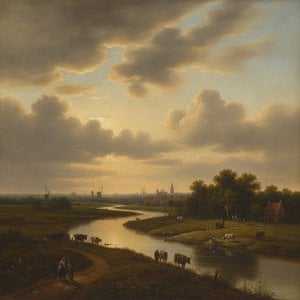
Huzurun Aynası: Jan van de Cappelle'in Yaşamı ve Mirası
Jan van de Cappelle, Hollanda Altın Çağı'nın panteonunda tekil ve ışıl ışıl bir figür olarak durur; sanat tarihinin kanonundaki varlığı, derin ve meditatif bir dinginlikle tanımlanır. Çok miktarda eser üreten çağdaşlarının aksine, Cappelle'in külliyatı dikkate değer ölçüde küçüktür, ancak her bir parça olağanüstya bir seçkinlik barındırır. O, yalnızca denizlerin ressamı değildi; aynı zamanda Amsterdam'ın ekonomik kalp atışlarıyla ayrılmaz bir şekilde bağlantılı, dünyevi statüsü yüksek bir sanayiciydi. Tekstil endüstrisindeki başarısı ve üstün zevkiyle tanınan bir koleksiyoner olarak hayatı, ticari yetkinlik ile sanatsal hassasiyetin eşsiz bir ikilemiydi. Servet ve vizyonun bu kesişimi, ona sadece deniz dünyasını tasvir etmekle kalmayan, aynı zamanda onun ruhunu yakalayan bir üslup geliştirme imkanı tanıdı; suyun yüzeyini ve yukarıdaki sonsuz gökyüzünü yansıtan o derin sessizlik.
1624 yılında Amsterdam'da doğan Jan van de Cappelle, sanatsal ustalığa giden yolda alışılmadık bir rota izledi. Döneminin pek çok ustası resmi lonca eğitimlerinin sert ateşlerinde şekillenirken, Cappelle büyük ölçüde kendi kendini eğitmişti; bu durum belki de vizyonunun o eşsiz ve yüklerden arınmış niteliğine katkıda bulundu. Yetişme tarzı, endüstrinin teknik karmaşıklıklarıyla iç içeydi; babası Franchoy van de Cappelle, özellikle kızıl boya üretimine odaklanan büyük bir boyahane işletiyordu. Hassasiyet ve renk ile kimya üzerine derin bir anlayış gerektiren bu ortam, Jan'a ilerideki ışık ve atmosfer keşifleri için paha biçilmez bir temel sağlamış olmalıydı. Kompozisyonları kendi eserleriyle belirli bir yapısal akrabalık paylaşan Simon de Vlieger'in üslup duyarlılıklarından etkilenmiş olsa da, Cappelle'in çalışmaları zamanla salt bir etkiden öteye geçerek saf, atmosferik bir zarafet durumuna ulaştı.
Işığın ve Atmosferik Perspektifin Ustalığı
Jan van de Cappelle'in gerçek dehası, derin bir duygusal derinlik hissi yaratmak için hava ve su elementlerini manipüle etme yeteneğinde yatar. Atmosferik perspektifteki benzersiz ustalığı sayesinde sık sık 17. yüzyıl Hollanda'nın en seçkin deniz resmi ressamı olarak anılır. Tekniği, gökyüzü oluşumlarını durgun, cam gibi su yüzeylerine bir ayna gibi yansıtma biçimiyle en ünlü halini alır. Sakin Bir Denizde Demirli Gemiler gibi eserlerinde izleyici sadece bir deniz sahnesine bakmaz, aynı zamanda askıya alınmış bir anın içine davet edilir. Işığın ince derecelendirmeleri ve bulutların titizlikle işlenmesi, deniz ile gökyüky arasındaki sınırın büyüleyici bir şekilde bulanıklaştığı muazzam bir boşluk hissi yaratır.
Sanatsal dili Willem van de Velde d. Üçüncü'nün realizminden ilham alsa da, kendine özgü bir yumuşaklığa sahiptir. Diğerleri deniz savaşlarının kaotik enerjisine veya fırtınanın sertliğine odaklanabilecekken, Cappelle hareketin sonrasındaki veya öncesindeki o sessiz bekleyişi aradı. Kompozisyonları genellikle şunları içerir:
- Işık ve gölgenin etkileşimi: Güneş ışığının bulut örtüsünü delip tek bir gemiyi aydınlattığı o uçucu anları yakalamak.
- Yansıtıcı yüzeyler: Hollanda gökyüzünün görkemini çoğaltmak için suyu bir ayna olarak kullanarak bir simetri ve huzur duygusu yaratmak.
- Atmosferik nüanslar: Manzaralarına elle tutulur bir sıcaklık ve nem hissi veren sis, pus ve berraklığın zarif işlenişi.
Tarihsel Önem ve Kalıcı Etki
Jan van de Cappelle'in tarihsel önemi, tuvallerinin estetik güzelliğinin ötesine uzanır. O, Hollanda Altın Çağı'nın sıradan olanın içindeki olağanüstü olanı bulma yeteneğinin zirvesini temsil eder. Yelkenlileri, nehir sahnelerini ve kış manzaralarını tasvir ederek, o dönemde küresel ticaretin merkezi olan bir ulusun deniz kimliğini belgeledi. Ev Filosu Tarafından Selamlanan Devlet İskelesi gibi daha dinamik eserlerinde bile, döneminin yapılandırılmış refahını yansıtan temel bir düzen ve vakar duygusu baki kalır.
Hayatı 1679 yılında sona erip geride sınırlı sayıda şaheser bırakmış olsa da, deniz resmi türü üzerindeki etkisi ölçülemezdir. Sonraki nesillere sadece görüleni değil, hissedileni de nasıl boyayacaklarını öğretti: havanın ağırlığını, gelgitin durgunluğunu ve ufkun sessiz görkemini. Bugün eserleri, insan, doğa ve onları birbirine bağlayan ışık arasındaki hassas dengeyi anlamaya çalışan herkes için temel bir referans noktası olmaya devam ediyor. Onun mirası bir dinginlik mirasıdır; huzurun içinde sonsuzluğu bulan bir sanatçının kalıcı bir kanıtıdır.
Soru & Cevap
Jan Van De Cappelle tarafından üretilen tüm eserleri belirli bir teknik/materyal türünde nasıl bulabilirim?
Jan Van De Cappelle eserlerine, sanatçının Tüm Teknikler sayfasından tekniklerine göre ayrılmış şekilde göz atabilirsiniz.
Jan Van De Cappelle sanatçısının doğum yeri olan şehir ve ülke neresidir?
Jan Van De Cappelle, Hollanda sınırları içerisindeki Amsterdam şehrinde doğmuştur.
Jan Van De Cappelle adlı sanatçının eserlerini kronolojik sırayla nerede görebilirim?
Sanatçının Eser Kronolojisi sayfası, Jan Van De Cappelle eserlerini yıl yıl, tarihe göre sıralanmış bir şekilde sunar.