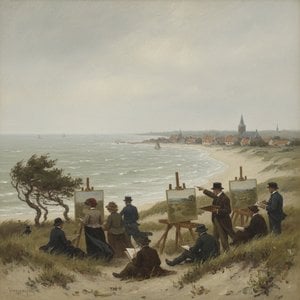
Lorenzo di Bicci (yaklaşık 1373–1452): Bir Floransa Bağlılık Ustası
1373 yıllarında Floransa'da doğan Lorenzo di Bicci, on dördüncü yüzyılın ikinci yarısı ve on beşinci yüzyılın başlarında gelişmekte olan Floransa Okulu resim sanatının en kilit figürlerinden biri olarak öne çıkar. Biyografik detaylar oldukça az olsa da—babasının kimliği bir belirsizlik bulutu altında kalsa da—bilimsel görüşler, Lorenzo'nun çıraklık dönemini stilistik yenilikleriyle sanatsallığını derinden şekillendiren Jacopo di Cione ve Andrea di Cione yönetiminde geçirdiğini kesin olarak ortaya koymaktadır. Bu sanat soyu, onu renk paletleri üzerindeki deneyler ve kompozisyon akışkanlığı ile karakterize edilen, dönemin daha geniş eğilimlerini yansıtan canlı bir ortamın içine yerleştirmiştir.- Erken Yaşam ve Eğitim: Lorenzo'nun biçimlendirici yılları, kendi sanatsal çabalarıyla Lorenzo'nun kendine özgü yaklaşımının habercisi olan babası zanaatkâr Jacopo di Bicci'nin atölyesinde derin bir bağlılıkla geçti. 1370 yılına gelindiğinde Aziz Luka Loncası'na üyeliği, ona sanatsal bilgiye paha biçilemez bir erişim sağladı ve Floransa'nın gelişen kültürel manzarasında önemli bağlar kurmasına vesile oldu.
- Kariyerin Başlangıcı ve Himaye: İlk siparişi olan ve Arte dei Vinattieri loncası için hazırladığı Tahtta Oturan Aziz Martin paneli, Lorenzo'nun Floransa vatandaşlarına—özellikle din adamları ve loncalara—hizmet etme kararlılığını örnekler niteliktedir; bu durum, sanat kariyerini tanımlayacak olan temel bir model olacaktı. Agnolo Gaddi ve Corso di Jacopo ile yaptığı iş birlikleri ise yeteneklerini daha da geliştirmesini sağladı ve onu etkili sanatsal akımlarla tanıştırdı.
- Üslup ve Teknik: Lorenzo'nun üslubu, ölçülü zarafeti ve ustalıklı icrası ile anında tanınabilir. Büyük anlatıları ve ayrıntılı süslemeleri benimseyen çağdaşlarının aksın, o dengeli bir simetriyle karakterize edilen ve karmaşıklıktan bilinçli olarak kaçınılan kompozisyonları tercih etmiştir. Figürler, genellikle duygudan arınmış, dingin ifadelere sahipti ve Andrea di Cione'nun titiz çizim yeteneğinin etkisiyle olağanüstü bir anatomik hassasiyetle resmedilmişti.
- Önemli Eserler: Lorenzo'nun sanatsal mirası, bugün bile izleyicileri büyülemeye devam eden birkaç ikonik tablo ile perçinlenmiştir. San Francisco'daki Legion of Honor Müzesi'nde bulunan Azizler Vaftizci Yahya ve Minias, ince renk uyumları ve mimari detaylar aracılığıyla ruhsal derinliği aktarma yeteneğini sergiler. Benzer şekilde, Lorenzo'nun teknik becerisinin bir kanıtı olan Dört İncil Yazarı freski, perspektif ve gölgelendirme tekniklerindeki usta hakimiyetini gözler mucizesi bir biçimde ortaya koyar.
- Miras ve Etki: Lorenzo di Bicci'nin sanatsal üretimi, sonraki nesil Floransa ressamlarını, özellikle de ailenin dinsel sanat geleneğini sürdüren oğlu Neri di Bicci'yi derinden etkilemiştir. Dini temaları tasvir etmedeki sarsılmaz bağlılığı—Floransa topluluğuna hizmet etme azmiyle birleştiğinde—onun Rönesans sanatsal gelişiminin temel taşı ve Floransa dindarlığının kalıcı bir sembolü olarak konumunu sağlamlaştırır.
Palazzo Medici Freskleri: Himaye ve Sanatsal Yeniliğin Bir Yansıması
Lorenzo'nun en iddialı girişimi, şüphesiz Cosimo I de' Medici tarafından sipariş edilen ve Palazzo Medici'yi süsleyen fresk döngüsüydü; bu proje onun döneminin önde gelen sanatçısı olarak ününü pekiştiren bir çalışmaydı. İncil tarihindeki sahneleri ve mitolojik anlatıları tasvir eden bu anıtsal tablolar, Lorenzo'nun renk, kompozisyon ve perspektif üzerindeki ustalığını sergileyerek Floransa Rönesansı sanatının zirvesini temsil eder. Bu freskler sadece dekoratif süslemeler olarak değil, aynı zamanda Medici himayesinin güçlü bir beyanı olarak hizmet etmiş; aristokratik siparişlerin sanatsal trendleri şekillendirmedeki dönüştürücü rolünü kanıtlamıştır.Lorenzo'nun Sanatsal Bağlantılarını Keşfetmek: Etkiler ve İş Birlikleri
Lorenzo'nun sanatsal gelişimi, Floransa'nın sanatsal ekosistemi içindeki dinamik bir fikir alışverişini besleyen, diğer ustalar ve zanaatkârlarla olan etkileşimlerine ayrılmaz bir şekilde bağlıydı. Jacopo di Cione altındaki çıraklığı, kendi tablolarına nüfuz edecek olan etkileyici renk paletlerine karşı bir takdir duygusu aşıladı; Andrea di Cione ile yaptığı iş birlikleri ise çizim yeteneklerini keskinleştirerek onu yenilikçi kompozisyon stratejileriyle tanıştırdı. Dahası, Lorenzo'nun Aziz Luka Loncası ile olan bağı, sanatsal kaynaklara erişimi kolaylaştırdı ve Floransa'nın canlı kültürel ortamında köklü bağlantılar kurmasını sağladı.İnanca Adanmış Bir Ressam: Lorenzo'nun Eserlerinde Temalar ve Sembolizm
Lorenzo di Bicci'nin sanatsal üretimi, yaşadığı dönemde Floransa toplumundaki dindarlığın yaygın etkisini yansıtacak şekilde, sürekli olarak dini temalar—öncelikle aziz tasvirleri, İncil anlatıları ve litürjik sahneler—etrafında şekillenmiştir. Resimleri, ruhsal gerçekleri iletmek ve izleyicilerde duygusal tepkiler uyandırmak için ortaçağ ikonografisinin yerleşik geleneklerinden yararlanarak sembolik imgeler kullanmıştır. Figürlerinin genellikle aşırı duygudan yoksun olan dingin ifadeleri, Lorenzo'nun eserlerini Avrupa'nın diğer bölgelerinde yaygın olan daha gösterişli sanatsal girişimlerden ayıran tefekküre dayalı bir estetiği vurgulamıştır.Sonuç Düşünceleri: Lorenzo di Bicci'nin Kalıcı Önemi
Lorenzo di Bicci'nin Floransa sanatına katkısı, salt üslup yeniliğinin ötesine geçer; o, klasik ideallere derin bir bağlılık ve insan deneyimini onur ve şefkatle tasvir etme kararlılığı ile karakterize edilen döneminin hümanist ruhunu bünyesinde barındırır. Floransa topluluğuna hizmet etmedeki sarsılmaz azmi—sanatsal teknik üzerindeki ustalığıyla birleştiğinde—onun on dördüncü yüzyılın en etkili ressamlarından biri olarak konumunu sağlamlaştırarak, mirasının sanatçılara ve bilim insanlarına ilham vermeye devam etmesini sağlar.Soru & Cevap
Bicci Di Lorenzo adlı sanatçıya ait incelemek için kaç adet sanat eseri mevcut?
Tüm Eserler sayfasında Bicci Di Lorenzo imzalı 20 sanat eseri eseri inceleyebilirsiniz.
Bicci Di Lorenzo hangi takma adlar veya alternatif isimlerle tanınmaktadır?
Bicci Di Lorenzo, Lorenzo Di Bicci alternatif isimleriyle de yer almaktadır.
Bicci Di Lorenzo hangi tarihi dönemde eser vermiştir?
Bicci Di Lorenzo, Geç Orta Çağ döneminde çalışmalarını sürdürmüştür. Bu dönem, sanatçının faaliyetlerini tarihsel bir bağlama oturtur.