Anthony Morris: Weaver of Historical Narratives Through Portraiture
Anthony Morris, born in Oxford in 1938 and continuing to create compelling artwork today, is a British painter renowned for his evocative historical portraits and scenes. His work transcends mere representation; it’s an immersive journey into the lives and personalities of his subjects, meticulously rendered with a deep understanding of both artistic technique and the narratives he seeks to capture. Morris's career has spanned decades, marked by consistent dedication to his craft and a growing reputation for capturing not just likenesses but also the essence of those he portrays.
Early influences shaped Morris’s approach to art. He began his formal training at Oxford School of Art, where he honed fundamental skills in drawing and painting. Crucially, he then progressed to the Royal Academy Schools, a prestigious institution known for its rigorous curriculum and emphasis on traditional techniques. This period was particularly formative, exposing him to the methods of master artists and fostering a commitment to direct observation – a cornerstone of his artistic philosophy. The influence of Peter Greenham CBE RA, a prominent figure at the Royal Academy, is evident in Morris’s deliberate attention to light and shadow, contributing significantly to the depth and realism of his paintings.
A Life Dedicated to Observation and Craft
Morris's artistic practice is deeply rooted in the principle of *seeing*. He travels extensively, seeking out locations that resonate with the stories he wishes to tell. His studio in rural Herefordshire serves as a sanctuary where he translates these experiences onto canvas. A key element of his process involves spending considerable time with each subject, building rapport and understanding their character before commencing the painting itself. This dedication to direct observation is reflected in the immediacy and authenticity of his portraits – they feel less like formal studies and more like intimate encounters.
His subjects are often figures from British history and culture, frequently drawn from the realms of folklore, literature, and prominent historical personalities. Notable commissions include portraits of Sir Sacheverell Sitwell, David Bishop, Major General Ian Spracking, Lord Whitelaw, Sir Nick Houghton, and Sir Chris Bonington – a testament to his versatility and ability to capture diverse subjects with equal skill. The Royal Academy Summer Exhibition has been a consistent venue for his work since 1960, providing a platform for showcasing his evolving style and expanding his audience.
Technique and Style: A Blend of Tradition and Personal Vision
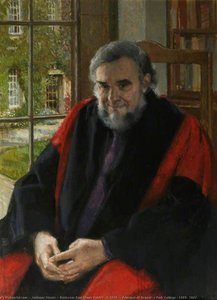
Morris primarily works in oils and watercolour, though he also experiments with pastels. His technique is characterized by a meticulous attention to detail, combined with a loose, expressive brushstroke that imbues the paintings with life. He masterfully employs light and shadow to create depth and atmosphere, guiding the viewer’s eye through the composition. His portraits are not simply representations of physical appearance; they convey personality, mood, and even subtle emotional states. The influence of traditional portraiture is undeniable, yet Morris's work possesses a distinctly modern sensibility – a quiet confidence and an understated elegance.
Historical Significance and Legacy
Anthony Morris’s contribution to British art lies in his ability to breathe new life into historical figures and narratives. Through his portraits, he invites viewers to connect with the past, fostering a deeper appreciation for those who shaped our culture and society. His work is held in private collections and displayed at galleries across the UK, including the Mall Galleries and the Royal Academy. Morris’s dedication to his craft, combined with his profound understanding of history and human character, ensures that his legacy as a skilled portraitist and insightful storyteller will endure for generations to come.
Notable Works
- Gary Rees (Farmer and Sheep): A quintessential English scene, capturing the quiet dignity of rural life.
- Sir Sacheverell Sitwell: A portrait that reveals the intellectual depth and artistic sensibilities of a prominent literary figure.
- David Bishop of Carlisle: A striking depiction showcasing the subject’s character and presence.