ÜCRETSİZ SANAT DANIŞMANLIĞI

x

Kısa Bilgiler

  • Born: 1894, Lahore, Pakistan
  • Died: 1975
  • Art period: Modern
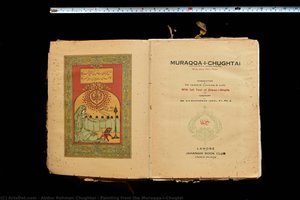
  • Top-ranked work: Painting from the Muraqqa-i-Chugtai
  • Nationality: Pakistan
  • Museums on APS:
    • The Partition Museum
    • The Partition Museum
    • Fukuoka Asya Sanat Müzesi
    • Fukuoka Asya Sanat Müzesi
    • Fukuoka Asya Sanat Müzesi
  • Daha fazla…
  • Works on APS: 3
  • Lifespan: 81 years
  • Also known as: abdur rehman chughtai
  • Top 3 works:
    • Painting from the Muraqqa-i-Chugtai
    • The Extinguished Flame
    • Painting from the Muraqqa-i-Chugtai
  • Copyright status: Under copyright

Sanat Bilgisi Testi

Her soru için yalnızca bir doğru cevap bulunmaktadır.

Soru 1:
What artistic movement heavily influenced Abdur Rahman Chughtai's style, resulting in intricate patterns and geometric shapes?
Soru 2:
Chughtai was awarded Pakistan's Hilal-i-Imtiaz award for what achievement?
Soru 3:
Which prominent figure mentored Chughtai at Mayo School of Arts, fostering his interest in reviving Bengal school art?
Soru 4:
What is Abdur Rahman Chughtai considered to be?
Soru 5:
Chughtai’s book “Muraqqa-i-Chughtai” beautifully illustrates which poet’s Urdu poetry?

Abdur Rahman Chughtai: Pioneer of Pakistani Modern Art

Abdur Rahman Chughtai (1894-1975) stands as a monumental figure in Pakistani art history, recognized as ‘the first significant modern muslim artist from pakistan’ and Pakistan's national artist. His distinctive artistic style emerged from a confluence of influences—Mughal art, miniature painting traditions, Art Nouveau aesthetics, and Islamic symbolism—resulting in imagery that captures the spirit of his era while retaining an enduring visual resonance. Born in Lahore, Pakistan, Chughtai descended from a family steeped in craftsmanship and artistry, fostering an early appreciation for decorative arts and intricate patterns.

Early Life and Artistic Formation

Chughtai’s formative years were marked by exposure to traditional Pakistani art forms. He began his artistic journey with naqqashi (calligraphy) instruction at a local mosque, honing foundational skills in visual communication. Subsequently, he pursued formal education at Mayo School of Arts (now National College of Arts), Lahore, where he studied under Samarendranath Gupta, a disciple of Abanindranath Tagore—a pivotal encounter that cemented his connection to the Bengal School of Art and its revivalist ethos. This exposure instilled in him a deep understanding of Indian artistic heritage alongside Western modernist ideals.

A Unique Artistic Style: Mughal Echoes and Decorative Flourishes

Chughtai’s artistic style quickly distinguished itself from prevailing trends, prioritizing evocative storytelling and symbolic representation. He drew heavily upon the narratives of Islamic history and folklore, particularly those rooted in Persian and Mughal traditions. These influences manifested in his masterful use of geometric shapes—a hallmark of Art Nouveau—combined with intricate floral motifs and decorative patterns reminiscent of Mughal miniature painting. His canvases pulsated with vibrant colors and textural richness, conveying a profound sense of spirituality and cultural identity.

Notable Works and Artistic Legacy

Among Chughtai’s celebrated achievements are “The Extinguished Flame,” a watercolor masterpiece that exemplifies his signature style—a harmonious blend of lyrical abstraction and meticulous detail. Furthermore, his designs for stamps, coins, and insignia showcased his versatility as an artist and cemented his reputation as a visual communicator. Perhaps his most ambitious project was “Muraqqa-i-Chughtai,” a lavishly illustrated edition of Mirza Ghalib’s Urdu poetry—a testament to his dedication to literary artistry and his ability to translate poetic vision into compelling visual form. This publication, accompanied by a foreword by Sir Muhammad Iqbal, remains an iconic representation of Pakistani cultural heritage.

Recognition and Enduring Influence

Chughtai received formal accolades for his artistic contributions, including the Khan Bahadur title from the British Empire in 1934 and Pakistan’s Hilal-i-Imtiaz award in 1960—symbols of national honor recognizing his profound impact on Pakistani art. His work continues to inspire contemporary artists and scholars alike, serving as a cornerstone of Pakistani artistic identity and demonstrating the enduring power of blending tradition with innovation. He remains an unforgettable voice in the history of Pakistani Art.