ÜCRETSİZ SANAT DANIŞMANLIĞI

x
Baskıyı satın al Baskıyı satın alTabloyu Sipariş Et Tabloyu Sipariş Et PaylaşPaylaş
DetaylarDetaylar Favorilere ekle Favorilere ekle İndirİndir Benzerlerini görBenzerlerini gör X-IşınıX-Işını Slayt GösterisiSlayt Gösterisi

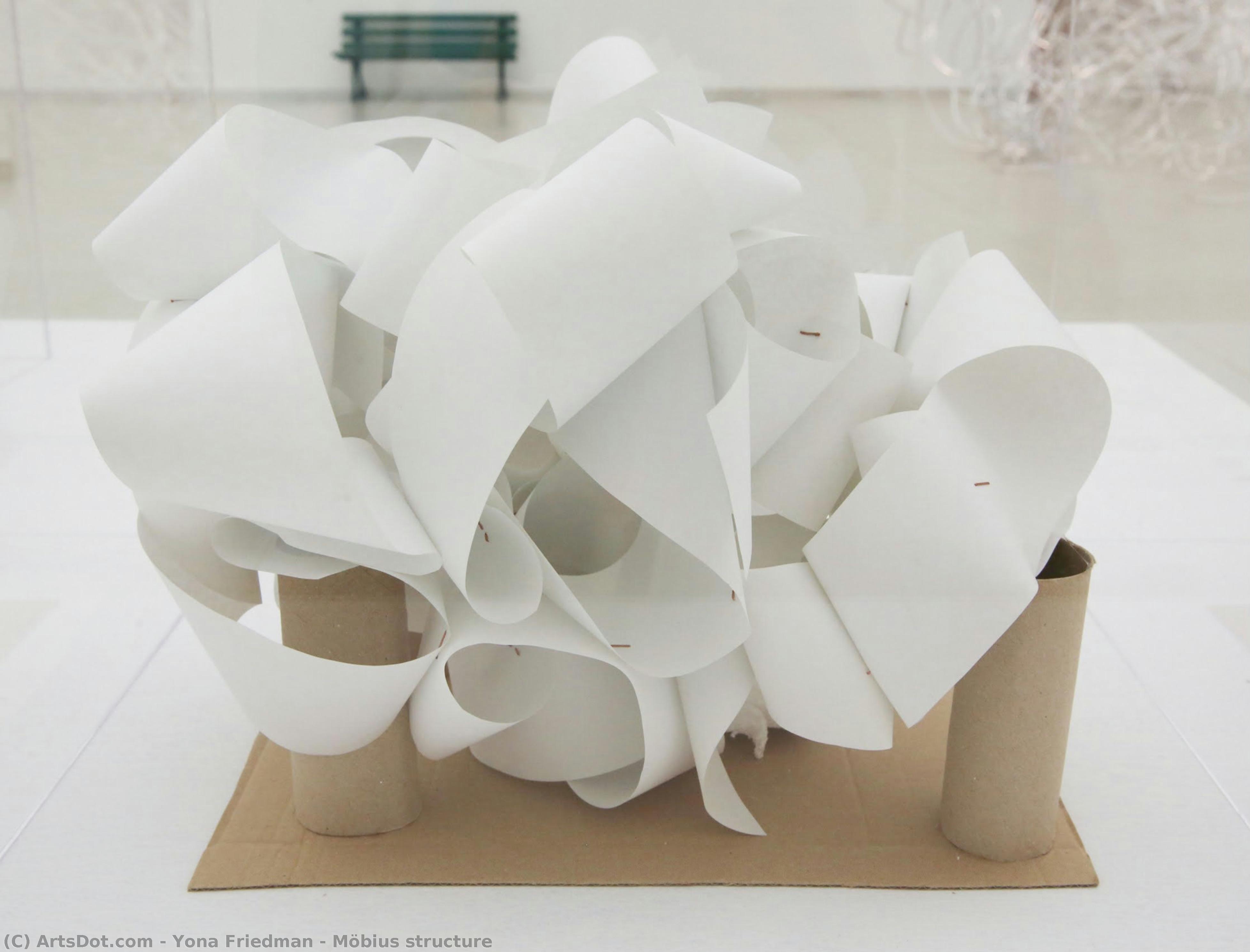
Möbius structure

Explore the visionary architecture of Yona Friedman (1923-2020). Pioneer of 'mobile architecture' & utopian urbanism, his designs challenge convention. Discover his influential theories and unique artworks.

Çevrimiçi önizlemeden çok daha üstün, yüksek çözünürlüklü ve iyileştirilmiş bir dijital görüntü satın alın.

Her dosya, uzman ekibimiz tarafından gelişmiş araçlar ve titiz manuel rötuş teknikleri kullanılarak özenle hazırlanır. Her görüntünün olağanüstü netliğe, kusursuz renk doğruluğuna ve ince ayrıntılara sahip olduğundan emin oluruz.

Son dosya; profesyonel, editoryal ve baskı süreçlerinde anında kullanıma uygun şekilde optimize edilerek 72 saat içinde e-posta yoluyla teslim edilir. Bu, seçkin tasarım stüdyoları, yayıncılar ve galerilerin güvendiği aynı kalite standartlarındadır.

Dijital Görsel

Kişisel sergileme, baskı ve yaratıcı projeleriniz için yüksek çözünürlüklü bir dosya indirin.

Toplam Tutar

$9.99

Her Dijital Görüntü Siparişinde Dahil Olanlar

Uzman Dijital Teslimat, Garantili

WahooArt.com seçtiğinizde, sadece bir görsel edinmekle kalmaz; titizlikle hazırlanmış, profesyonelce iyileştirilmiş dijital bir sanat eserine sahip olur ve memnuniyet garantisiyle güvence altına alınırsınız. Siparişinizle birlikte otomatik olarak sunulan her şey şunlardır:

shipping_icon
Hızlı E-posta ile Teslimat

Yüksek çözünürlüklü dijital görüntü dosyanız, siparişinizin üzerinden en geç 72 saat geçmeden e-posta ile size gönderilecektir; hemen kullanıma hazırdır.

canvas_icon
Yapay Zeka İle İyileştirilmiş Dijital Dosya

Sanat eseriniz; maksimum detay, netlik ve renk doğruluğu sağlamak amacıyla gelişmiş yapay zeka araçları ve manuel düzenleme kullanılarak profesyonelce optimize edilmektedir.

insurance_icon
Ömür Boyu Ücretsiz Yeniden Gönderim

Dosyanızı yanlışlıkla mı sildiniz yoksa kayıp mı oldu? Endişelenmeyin; dosyanızı dilediğiniz zaman size ücretsiz olarak tekrar göndereceğiz.

tax_icon
Hiçbir Zaman İthalat Ücreti Ödemeyin

Sanat eserinizin tadını gümrük vergisi, harç veya teslimat ücreti ödemeden anında çıkarın; dijital indirmeler her zaman vergiden muaftır.

color_icon
Renk Doğruluğu Garantisi

Profesyonel araçlar ve renk yönetimi kullanarak dijital görselinizin orijinal renklere mümkün olduğunca yakın yansıtılmasını sağlıyoruz.

return_icon
60 Günlük Memnuniyet Garantisi

If you're not satisfied with your digital image, we'll revise it or refund 100% within 60 days - no questions asked.

guarantee_icon
100% Para İadesi Garantisi

Memnun kalmadınız mı? Dijital dosyanızı aldıktan sonraki 60 gün içinde, hiçbir soru sorulmaksızın tam iade alın.

discount_icon
Toplu Sipariş İndirimleri

Buy 3 images, save 10% - Buy 5, save 15% - Buy 10+, save 20%. Great for creative projects, galleries, and agencies.

Koleksiyon Detayları

Yona Friedman describes his unrealized projects as a parabola. His autonomous world, ensconced between art and legend, predicts a brand new way of life in civil society. From this point of view, Friedman is an uncompromising realist. Buildings and their inhabitants were an expression of freedom of choice. He let construction workers model exteriors based on their own predilections, leaving interior spaces for occupants to design and create. Although it was said that Friedman was too

Sanatçı Özgeçmişi

Yona Friedman (1923–2020): Architect of Mobile Utopia

Yona Friedman (5 June 1923 – 20 February 2020) was a Hungarian-born French architect, urban planner and designer. He was influential in the late 1950s and early 1960s, best known for his theory of ‘mobile architecture,’ which envisioned a radical reimagining of cities as dynamic systems capable of adapting to evolving needs and conditions. Friedman’s pioneering approach challenged conventional architectural dogma and cemented his place as a visionary figure in the history of modernism.

Early Life and Education

Born in Budapest, Hungary, into an ethnic Jewish family grappling with antisemitic legislation during the period of Nazi occupation, Friedman faced considerable obstacles pursuing higher education. Despite these difficulties, he persevered, securing admission to Technische Universität Wien (TU Wien) where he studied architecture—a formative experience that instilled in him a lifelong fascination with spatial exploration and experimentation. Following his graduation in 1948, Friedman embarked on a journey of artistic discovery, relocating to Israel in 1957 at the invitation of Jean Prouvé, cementing his connection to the burgeoning Bauhaus movement’s spirit of innovation.

The Genesis of Mobile Architecture

Friedman's intellectual breakthrough arrived in 1956 with the publication of *Mobile Architecture,* a manifesto that fundamentally altered perceptions of urban design and architectural practice. Rejecting static structures as inherently inflexible and unresponsive, Friedman argued for a paradigm shift toward “mobile architecture”—a concept he elaborated upon through intricate drawings and diagrams—where buildings could expand outwards to accommodate growth without sacrificing their core identity. This audacious proposition drew inspiration from the principles of Gestalt psychology and explored connections between mathematics, geometry, and spatial perception. He envisioned cities as interconnected networks of structures that would adapt to changing populations and circumstances, prioritizing human comfort and fostering a sense of collective dynamism.

Collaborations with Archigram and Superstudio

Friedman’s theoretical framework quickly gained traction within the influential Team 10 architectural group—a collective dedicated to challenging established norms and advocating for humanist values in design. He collaborated closely with fellow architects Richard Rogers, Ernő Goldfinger, Dennis Lasdun, and Alison Macintosh on projects that embodied the spirit of Team 10's rebellious idealism. Notably, Friedman’s partnership with Archigram produced groundbreaking experimental buildings—such as Habitat ’67—that pushed the boundaries of structural engineering and architectural aesthetics. Similarly, his collaboration with Superstudio resulted in iconic artworks—like *Container Structures II*—which utilized paper cutouts to generate mesmerizing visual patterns—a precursor to future urban landscapes and a testament to Friedman’s ability to transform conceptual ideas into tangible realities.

Recognition and Legacy

Throughout his prolific career, Friedman received numerous accolades for his contributions to architecture and urban planning, including the Austrian Frederick Kiesler Prize for Architecture and the Arts in 2018—a prestigious honor recognizing his enduring influence on architectural thought. His drawings were exhibited internationally, captivating audiences with their meticulous detail and evocative exploration of spatial relationships. Friedman’s work continues to inspire architects and artists alike, serving as a reminder that innovation stems from questioning assumptions and embracing imaginative possibilities. He passed away peacefully in Paris in February 2020 at the age of 96, leaving behind an indelible mark on the history of modern architecture—a legacy characterized by unwavering optimism and a steadfast belief in the transformative power of design to shape human experience.
yona friedman

yona friedman

1923 - 2020 , Hungary

Kısa Bilgiler

  • Artistic Movement Or Style: Mobile Architecture
  • Artists Or Movements Influenced By This Artist: ['Spatial City']
  • Artists Who Influenced This Artist:
    • Jean Prouvé
    • Archigram
    • Superstudio
  • Date Of Birth: 1923
  • Date Of Death: 2020
  • Full Name: Yona Friedman
  • Nationality: Hungarian-French
  • Notable Artworks:
    • Container Structures II
    • Möbius structure
  • Place Of Birth: Budapest, Hungary