x

 Baskıyı satın al Görseli Satın Al
 Paylaş
 Details
 Favorilere ekle
 İndir
İndir
 Benzerlerini gör
 X-Ray
X-Ray
 Slayt Gösterisi
Sanatçılarımız tarafından sipariş üzerine hazırlanan; istediğiniz boyut ve çerçevede, tuval üzerine el boyaması yağlı boya.





























Eserin orijinal oranlarıyla uyumlu, önceden belirlenmiş boyutlarımız arasından seçim yapın.

Belirli bir çerçeveye veya alana uyması için kendi boyutlarınızı girebilirsiniz. Seçtiğiniz boyut orijinal görüntünün oranlarıyla eşleşmiyorsa, sanat eserini kırparak veya ek el boyaması öğelerle resmi uzatarak ayarlayacağız. Üretim başlamadan önce onayınız için dijital bir taslak gönderilecektir.
Lütfen ekrandaki önizlemenin gerçek kırpmayı veya uzatmayı yansıtmadığını unutmayın. Nihai kompozisyonu yalnızca hazırlanan taslak doğru şekilde gösterecektir.
Özel boyutlar mevcut olsa da, orijinal oranları korumak adına önceden tanımlanmış listeden bir boyut seçmenizi öneririz.
Dünya Çapında Teslimat (); standart 5 hafta yerine 3/4 haftada. (1 Temmuz). Kaliteden ödün verilmez.


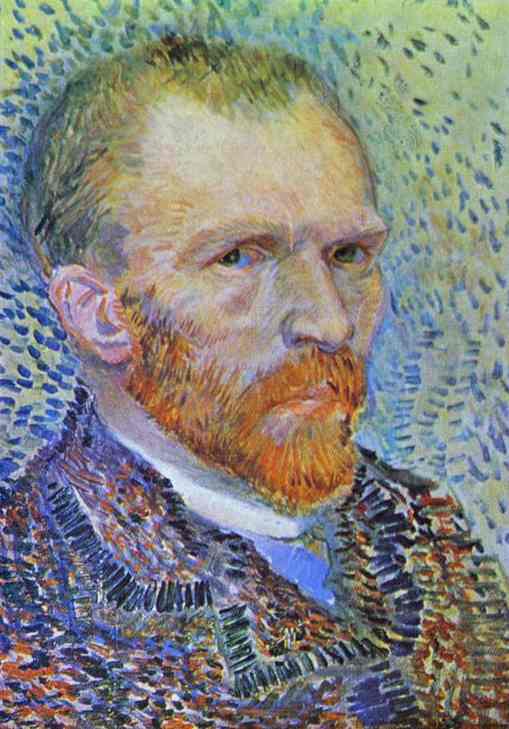
Self-portrait
Reproduksiyon Boyutu
This self-portrait, created by Vincent van Gogh in 1887, offers an intimate glimpse into the artist’s psyche during a pivotal period of his artistic development. It is characterized by the intense emotionality and distinctive brushwork that would come to define his signature post-impressionistic style. The artwork stands as a testament to Van Gogh's relentless self-examination and his evolving mastery of color and texture.
The painting exemplifies the core tenets of post-impressionism, moving beyond the purely optical concerns of impressionism to explore subjective emotions and symbolic meaning. Van Gogh’s technique is immediately recognizable through his use of short, broken brushstrokes applied with a palpable energy. These strokes aren't blended smoothly; instead, they remain distinct, creating a vibrant, textured surface that seems almost sculptural. The colors are bold and expressive – greens, blues, reds, and oranges intermingle to convey not just the appearance of Van Gogh’s face but also his inner state. This technique, influenced by Georges Seurat's pointillism, is transformed in Van Gogh's hands into a powerful tool for emotional expression.
This self-portrait was painted during a period of significant change and experimentation for Van Gogh. Having recently moved from the Netherlands to Paris, he was immersed in the vibrant artistic scene and exposed to new ideas and techniques. He absorbed influences from Impressionism and Neo-Impressionism but ultimately forged his own unique path, rejecting their purely observational approach in favor of a more emotionally charged style. The portrait reflects this transition – it’s an early example of his signature brushwork, hinting at the intensity that would characterize his later works.
Beyond its aesthetic qualities, the self-portrait carries a profound symbolic weight. Van Gogh's intense gaze, captured with remarkable directness, conveys a sense of introspection and vulnerability. The swirling background, rendered in dynamic brushstrokes, suggests an underlying emotional turbulence – a reflection of the artist’s struggles with mental health. The choice to depict himself so closely cropped emphasizes his face and expression, drawing the viewer into a deeply personal encounter. It is not merely a likeness; it's a window into Van Gogh's soul, revealing both his artistic genius and his inner turmoil.
This self-portrait remains one of Van Gogh’s most compelling works, celebrated for its raw emotional power and innovative technique. It exemplifies his ability to transform the act of self-representation into a profound exploration of human experience. The painting continues to resonate with audiences today, offering a poignant glimpse into the life and mind of one of history's greatest artists.


1853 - 1890 , Hollanda

Post-Empresyonizmin en etkileyici 10 başyapıtını keşfedin! Van Gogh, Gauguin ve daha fazlasının eserleriyle sanat tarihine yolculuk yapın. WahooArt.com'da yüksek kaliteli tablo reproduksiyonları ve benzersiz dekorasyon fikirleri sizi bekliyor. Sanat dolu bir yaşam için şimdi inceleyin!

Explore the rich history of painting! Discover master techniques from Renaissance to Modern art. Find museum-quality reproductions & expert advice at WahooArt.
Journey through art history with our Top 10 oil paintings! Explore iconic works by Van Gogh, Monet & Rembrandt. Discover timeless masterpieces and find museum-quality reproductions for your home at .
Vincent van Gogh'un en ikonik 25 eserini keşfedin! Yıldızlı Gece, Ayçiçekleri ve daha fazlası... Sanat tarihi, renkler ve duygusal derinlik WahooArt.com'da. Ev dekorasyonunuz için yüksek kaliteli sanat baskıları şimdi online!

Explore 10 legendary 'Oil on Board' masterpieces by Van Gogh, Monet & more! Discover art history, iconic styles like Impressionism, and find museum-quality reproductions to elevate your home decor. Explore the full collection online at WahooArt.com.


En son sanat haberlerinden, özel tekliflerden ve dekorasyon fikirlerinden haberdar olun.
Projenizden bize bahsedin; sanat uzmanlarımız size özel 3 sanat eseri önerisi sunsun.
Size Özel 3 Seçeneği Ücretsiz Olarak Hazırlayalım!
 Paylaş









 Detaylı bilgi için tıklayın
 Cam seçeneği yalnızca 110 cm altındaki boyutlar için mevcuttur.