x
Önizleme yapÖnizleme yap AR ile önizleAR ile önizle Baskı satın al Baskı satın alGörsel satın al Görsel satın al PaylaşPaylaş
Detayları GörDetayları Gör Favorilere ekle Favorilere ekle İndirİndir Benzerlerini görBenzerlerini gör X-IşınıX-Işını Slayt GösterisiSlayt Gösterisi

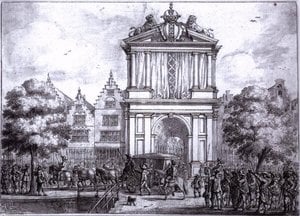
Maria de' Medici Girişi Amsterdam

Jan Martszen de Jonge'nin ikonik eserinden etkileyici bir baskı ile Avrupa Rönesansı sanatının ihtişamını keşfedin. Maria de Medici'nin Amsterdam'a girişi temalı bu çarpıcı manzara yapıtı.

Explore the dynamic battle scenes of Jan the Younger Martszen (1609-1647), a Dutch engraver & painter known for his military skirmishes & Italianate style.

El Yapımı Yağlı Boya Reproduksiyon

Sanatçılarımız tarafından sipariş üzerine hazırlanan; istediğiniz boyut ve çerçevede, tuval üzerine el boyaması yağlı boya. (Baskı satın al Baskı satın alGörsel satın al Görsel satın al)

P118B $10
P118H $10
P118W $10
P438Z $10
P508JH $12
P508YH $12
P805H $10
P805Z $10
P919BZ $10
P919G $10
P919XJ $10
P959ZH $10
P968JZ $12
W106C $8
W218G $10
W218JH $8
W218Y $10
W307PJ $10
W316G $10
W316PJ $8
W316Y $10
W398PJ $8
W4111J $10
W500HY $15
W500JH $15
W692G $12
W849H $8
W940BG $15
W953PJ $8

Standart
kişiye özel
CM
INCH

Eserin orijinal oranlarıyla uyumlu, önceden belirlenmiş boyutlarımız arasından seçim yapın.

genişlik
yükseklik

Belirli bir çerçeveye veya alana uyması için kendi boyutlarınızı girebilirsiniz. Seçtiğiniz boyut orijinal görüntünün oranlarıyla eşleşmiyorsa, sanat eserini kırparak veya ek el boyaması öğelerle resmi uzatarak ayarlayacağız. Üretim başlamadan önce onayınız için dijital bir taslak gönderilecektir.
Lütfen ekrandaki önizlemenin gerçek kırpmayı veya uzatmayı yansıtmadığını unutmayın. Nihai kompozisyonu yalnızca hazırlanan taslak doğru şekilde gösterecektir.
Özel boyutlar mevcut olsa da, orijinal oranları korumak adına önceden tanımlanmış listeden bir boyut seçmenizi öneririz.

Değiştirilebilecek örneklere dair: Yüzün müşteri fotoğrafıyla değiştirilmesi; Evcil hayvan eklenmesi (örneğin kedinin köpek ile değiştirilmesi); Arka plana gizli bir mesaj dahil edilmesi; Arka plan manzarasının veya öğelerinin değiştirilmesi.
Siparişten sonra, WahooArt.com ekibi talimatlar için müşteriye e-posta gönderecek ve bir taslak önizleme sunacaktır

Dünya Çapında Teslimat (); standart 5 hafta yerine 3/4 haftada. (1 Eylül). Kaliteden ödün verilmez.

why_choose_icon
Dünya Çapında Ücretsiz Ekspres Kargo
why_choose_icon
Yüksek Kaliteli Keten Tuval
why_choose_icon
Tam Kapsamlı Nakliye Sigortası
why_choose_icon
Gümrük Vergisi İade Garantisi
why_choose_icon
Gerçek Renk Uyumu Garantisi
why_choose_icon
60 Günlük İade Politikası (Sadece Kusurlu Ürünler İçin)
why_choose_icon
%100 Para İade Garantisi
why_choose_icon
Toplu Alım İndirimi

Toplam Fiyat

$ 272

reproduction

Maria de' Medici Girişi Amsterdam

Reproduksiyon Tekniği

Reproduksiyon Boyutu

-

Toplam Tutar

$ 272

Hızlı Bilgiler

  • Artistic style: Realistic; Detailed shading
  • Movement: Italianate Painting
  • Dimensions: 280 x 388 cm
  • Title: The Entry of Maria de' Medici to Amsterdam
  • Subject or theme: Historical procession; Royal arrival
  • Location: National Gallery of Art
  • Notable elements or techniques: Monumental archway; Lions and shield; Atmospheric perspective

Sanat Bilgisi Testi

Her soru için yalnızca bir doğru cevap bulunmaktadır.

Soru 1:
What artistic movement is Jan Martszen de Jonge primarily associated with?
Soru 2:
The painting depicts a procession celebrating the arrival of whom in Amsterdam?
Soru 3:
What architectural element is prominently featured in the background of 'The Entry of Maria de' Medici to Amsterdam', contributing to its grandeur?
Soru 4:
What technique was predominantly used by Jan Martszen de Jonge in creating this artwork?
Soru 5:
The image shows a detailed depiction of the procession, capturing the importance of this historical event. What year was the painting created?

Jan Martszen de Jonge: A Flemish Landscape Painter Amidst Baroque Splendor

Jan Martszen de Jonge (1609 – 1647): A Flemish Landscape Painter Amidst Baroque Splendor stands as a relatively obscure figure within the illustrious tapestry of Dutch Golden Age art, yet his contribution to landscape painting and particularly his depictions of military skirmishes holds considerable interest for scholars examining the artistic currents of the era. Primarily active in Haarlem, Martszen’s oeuvre reflects both the stylistic innovations of the Baroque period and a grounding in Flemish traditions—a duality that distinguishes him from many of his contemporaries. Early Life & Training: Precise biographical details surrounding Martszen's formative years remain scarce. He apprenticed under Hans van Steenwyck II, a prominent Haarlem landscape painter known for his dramatic compositions and meticulous attention to detail. This association undoubtedly instilled in Martszen a foundational understanding of Flemish landscape aesthetics—characterized by atmospheric perspective, luminous color palettes, and an emphasis on conveying mood and emotion through visual cues. Notable Works & Artistic Style: Martszen’s artistic style is notable for its blend of Baroque grandeur and Flemish realism. He excelled in capturing the dynamism of battle scenes with impressive accuracy—a genre that gained considerable popularity during his lifetime, fueled by ongoing conflicts between European powers. However, he wasn't solely focused on military subjects; he produced serene landscapes imbued with subtle tonal variations and evocative lighting effects. The Rijksmuseum houses several paintings attributed to Martszen, including “The Entry of Maria de’ Medici to Amsterdam,” showcasing his masterful command of color and composition. Influences & Connections: Martszen's artistic sensibilities were undoubtedly shaped by the broader artistic landscape of Haarlem during the Baroque period. He collaborated closely with Jan Brueghel the Elder, a celebrated Flemish painter known for his monumental landscapes and allegorical narratives—a partnership that exemplifies the cross-border exchange of ideas and techniques prevalent in 17th-century art circles. Furthermore, Martszen’s work demonstrates an awareness of scientific observation, mirroring the burgeoning interest in natural history during this era. The Entry of Maria de' Medici to Amsterdam: A Detailed Examination The image is a black and white photograph of the original painting "The Entry of Maria de' Medici to Amsterdam" by Jan The Younger Martszen. The painting depicts a grand procession through what appears to be a city square, with a large crowd of people gathered around. At the center of the scene is a monumental archway, which serves as the focal point for the procession. Above the archway, there are two lions and a shield, adding to the regal atmosphere of the event. The painting is rich in detail, with numerous figures dressed in period clothing, indicating that this was likely an important historical event. The architecture surrounding the square includes buildings with stepped gables, which is characteristic of Dutch Golden Age architecture. There are also trees and other elements that add depth to the scene, creating a sense of space and scale. The painting is signed by the artist in the lower right corner, and it bears the date 1638, indicating when it was created. The overall style of the painting is realistic, with careful attention paid to the depiction of light, shadow, and texture. This level of detail allows for a vivid representation of the event, capturing the grandeur and spectacle of Maria de Medici’s entry into Amsterdam. Additional Research: The Rijksmuseum Collection showcases Martszen's remarkable talent in portraying historical moments with meticulous realism. “The Entry of Maria de' Medici to Amsterdam” exemplifies this dedication—a monumental composition that captures the solemnity and magnificence of the occasion. The archway dominates the scene, symbolizing royal authority and commemorating a pivotal diplomatic triumph for the Dutch Republic. The artist’s masterful use of chiaroscuro – dramatic contrasts between light and dark – enhances the visual impact, guiding the viewer's gaze across the bustling square and emphasizing the grandeur of the procession. Observing the meticulous rendering of architectural elements—particularly the stepped gables—provides insight into the artistic conventions of the Dutch Baroque period. Furthermore, the inclusion of trees and foliage contributes to a sense of spatial depth, immersing the spectator in the atmosphere of 17th-century Amsterdam. A Reproduction Worth Considering: WahooArt.com offers high-quality reproductions of “The Entry of Maria de' Medici to Amsterdam,” allowing art enthusiasts to experience Martszen’s masterpiece firsthand. Printed on premium canvas with vibrant pigments, these reproductions faithfully recreate the original painting's textures and tonal nuances—preserving its artistic integrity for generations to come. Selecting a custom size ensures that your chosen artwork aligns perfectly with your interior design aesthetic, bringing a touch of Baroque grandeur into any space. Delivery in less than 3 weeks guarantees satisfaction, upholding WahooArt’s commitment to excellence. Explore the beauty of Dutch Golden Age art and adorn your home with a stunning replica of this iconic painting.

Sanatçı Özgeçmişi

Jan Martszen de Jonge (1609 – 1647): A Flemish Landscape Painter Amidst Baroque Splendor

Jan Martszen de Jonge (1609 in Haarlem – 1647 in Haarlem) stands as a relatively obscure figure within the illustrious tapestry of Dutch Golden Age art, yet his contribution to landscape painting and particularly his depictions of military skirmishes holds considerable interest for scholars examining the artistic currents of the era. Primarily active in Haarlem, Martszen’s oeuvre reflects both the stylistic innovations of the Baroque period and a grounding in Flemish traditions—a duality that distinguishes him from many of his contemporaries.
  • Early Life & Training: Precise biographical details surrounding Martszen's formative years remain scarce. He apprenticed under Hans van Steenwyck II, a prominent Haarlem landscape painter known for his dramatic compositions and meticulous attention to detail. This association undoubtedly instilled in Martszen a foundational understanding of Flemish landscape aesthetics—characterized by atmospheric perspective, luminous color palettes, and an emphasis on conveying mood and emotion through visual cues.
  • Notable Works & Artistic Style: Martszen’s artistic style is notable for its blend of Baroque grandeur and Flemish realism. He excelled in capturing the dynamism of battle scenes with impressive accuracy—a genre that gained considerable popularity during his lifetime, fueled by ongoing conflicts between European powers. However, he wasn't solely focused on military subjects; he produced serene landscapes imbued with subtle tonal variations and evocative lighting effects. The Rijksmuseum houses several paintings attributed to Martszen, including “The Entry of Maria de’ Medici to Amsterdam,” showcasing his masterful command of color and composition.
  • Influences & Connections: Martszen's artistic sensibilities were undoubtedly shaped by the broader artistic landscape of Haarlem during the Baroque period. He collaborated closely with Jan Brueghel the Elder, a celebrated Flemish painter known for his monumental landscapes and allegorical narratives—a partnership that exemplifies the cross-border exchange of ideas and techniques prevalent in 17th-century art circles. Furthermore, Martszen’s work demonstrates an awareness of scientific observation, mirroring the burgeoning interest in natural history during this era.
  • Legacy & Historical Significance: While Martszen's fame didn't rival that of Rembrandt or Vermeer, his paintings continue to resonate with viewers today due to their skillful execution and expressive qualities. He represents a crucial link between Flemish landscape painting and the Dutch Baroque tradition—a testament to Haarlem’s artistic vitality during its golden age. His contribution to documenting military events provides valuable insight into the visual culture of the time.

Exploring Martszen's Landscape Vision

Martszen’s landscapes aren’t merely scenic representations; they are imbued with a palpable sense of atmosphere and emotion. Unlike some contemporaries who prioritized idealized beauty, Martszen sought to capture the complexities of nature—its subtle shifts in light and color—with remarkable precision. His use of tonal gradations—particularly his masterful manipulation of chiaroscuro—creates dramatic contrasts that heighten visual impact and convey psychological depth. Consider “Battle Scene,” where Martszen skillfully depicts a chaotic battlefield, utilizing muted colors and dynamic brushstrokes to convey the intensity of combat. This approach aligns with the broader Baroque preoccupation with conveying emotion through art, distinguishing Martszen from artists prioritizing purely decorative considerations.

Further Resources

For deeper exploration into Jan Martszen de Jonge’s artistic life and work, consult the following resources:

Related Artists

Consider examining the works of Jan Brueghel the Elder and Pieter Van Laan for comparative insights into Flemish Baroque landscape painting during Martszen’s era.
jan the younger martszen

jan the younger martszen

1609 - 1647 , Netherlands

Kısa Bilgiler

  • Artistic Movement Or Style: Italianate Painting
  • Artists Or Movements Influenced By This Artist: ['Baroque']
  • Artists Who Influenced This Artist:
    • Hans Memling
    • Jan Brueghel the Elder
  • Date Of Birth: 1609 Haarlem Netherlands
  • Full Name: Jan Martszen de Jonge
  • Nationality: Dutch
  • Notable Artworks:
    • The Entry of Maria de' Medici to Amsterdam
    • Battle Scene
  • Place Of Birth: Haarlem Netherlands
Temalara, stillere ve özelliklere göre düzenlenmiş sanat eserlerini keşfedin.