A Window into Urban Anxiety: Examining Edvard Munch’s Untitled (6204)
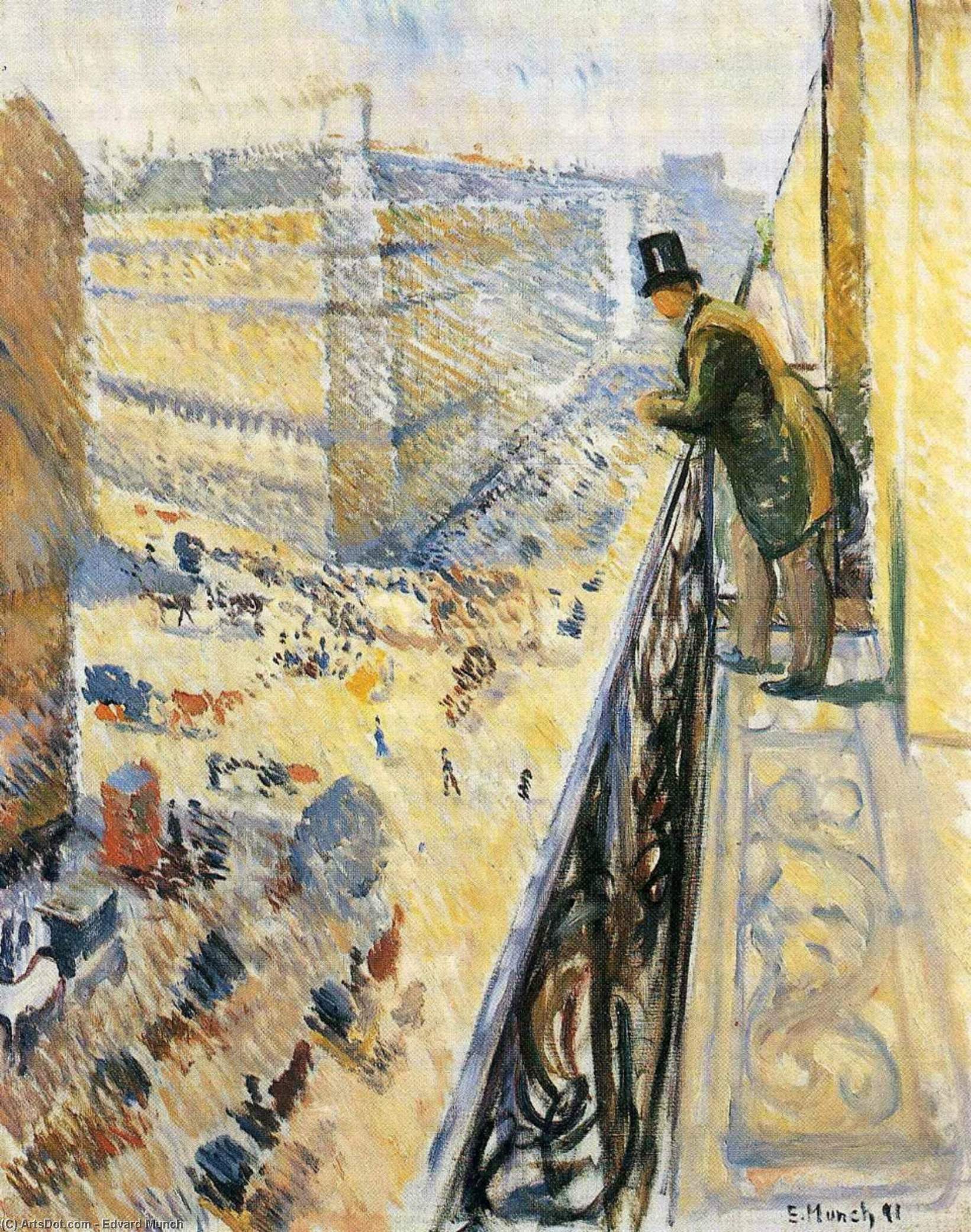
Edvard Munch's "Untitled (6204)" stands as a haunting testament to the psychological landscape of early 20th-century Europe, specifically capturing the pervasive sense of unease and isolation that characterized the era. This monumental cityscape painting transcends mere visual representation; it delves into the depths of human emotion, presenting a visceral depiction of anxiety and confronting viewers with uncomfortable truths about existence itself. The artwork’s enduring power lies not just in its striking composition but also in Munch's masterful manipulation of color and form to convey profound psychological states.
- Subject Matter: The scene portrays a bustling urban street, populated by figures moving amidst the flow of traffic—a common motif for Munch reflecting the rapid industrialization and societal shifts of his time. However, unlike idyllic depictions of city life, this canvas focuses on capturing not just what is seen but how it *feels*.
- Style: Munch’s work firmly establishes itself within Expressionism, a movement that prioritized subjective experience over objective observation. Artists like Munch sought to express inner turmoil and emotional intensity rather than faithfully portraying the external world. “Untitled (6204)” embodies this ethos perfectly, rejecting traditional realism in favor of distorted perspectives and emotionally charged colors.
- Technique: Executed with oil paints on canvas, Munch employed a technique characterized by thick impasto—heavy application of paint—creating palpable textural surfaces that amplify the painting’s emotional impact. The artist utilized bold strokes and swirling patterns to convey movement and instability, mirroring the psychological agitation depicted within the scene.
Historical Context: Echoes of Trauma and Uncertainty
Painted around 1908, “Untitled (6204)” emerged during a period marked by significant social upheaval and intellectual ferment. Munch’s artistic explorations coincided with anxieties surrounding the burgeoning industrial revolution, scientific advancements challenging religious dogma, and growing awareness of psychological disorders—themes that resonated deeply within the cultural consciousness of his time. The painting reflects the pervasive sense of disillusionment felt by many artists and intellectuals grappling with the complexities of modernity. It's important to note Munch’s personal struggles with mental illness – specifically anxiety and depression – profoundly influenced his artistic vision, channeling his own anxieties into a visual language that anticipates the psychological explorations of later Surrealists and Expressionist painters.
Symbolism: Color as Emotional Conduit
Munch's masterful use of color is central to understanding the painting’s symbolic significance. Dominant hues of ochre, crimson, and indigo dominate the canvas, creating a palette that evokes feelings of warmth, passion, and impending doom simultaneously. The fiery reds suggest danger and urgency, while the deep blues convey melancholy and isolation—mirroring Munch's own emotional state during the period of creation. Furthermore, the positioning of figures within the cityscape contributes to the painting’s symbolic narrative; the solitary man observing the commotion below embodies a feeling of detachment from the surrounding environment and represents the individual confronting overwhelming forces beyond his control.
Emotional Impact: A Portrait of Existential Dread
Ultimately, “Untitled (6204)” succeeds in capturing the essence of existential dread—a profound awareness of mortality and the inherent absurdity of human existence. Munch’s depiction of a frenetic urban scene serves as a backdrop for conveying an inner turmoil that transcends mere visual representation. The painting compels viewers to confront uncomfortable truths about their own vulnerability and insignificance within the grand scheme of things, leaving them with a lingering impression of unease and contemplation. It remains a powerful reminder of Munch’s ability to translate psychological experience into enduring artistic imagery—a feat that continues to inspire artists and captivate audiences worldwide.



 Tabloyu Sipariş Et
 Paylaş
 Paylaş
 Detaylar

 İndir
İndir
 Benzerlerini gör
 X-Işını
 Slayt Gösterisi
 Tümünü Gör






































 Cam seçeneği yalnızca 110 cm altındaki boyutlar için mevcuttur.





