ÜCRETSİZ SANAT DANIŞMANLIĞI

x
Baskıyı satın al Baskıyı satın alTabloyu Sipariş Et Tabloyu Sipariş Et PaylaşPaylaş
Detayları GörDetayları Gör Favorilere ekle Favorilere ekle İndirİndir Benzerlerini görBenzerlerini gör X-IşınıX-Işını Slayt GösterisiSlayt Gösterisi

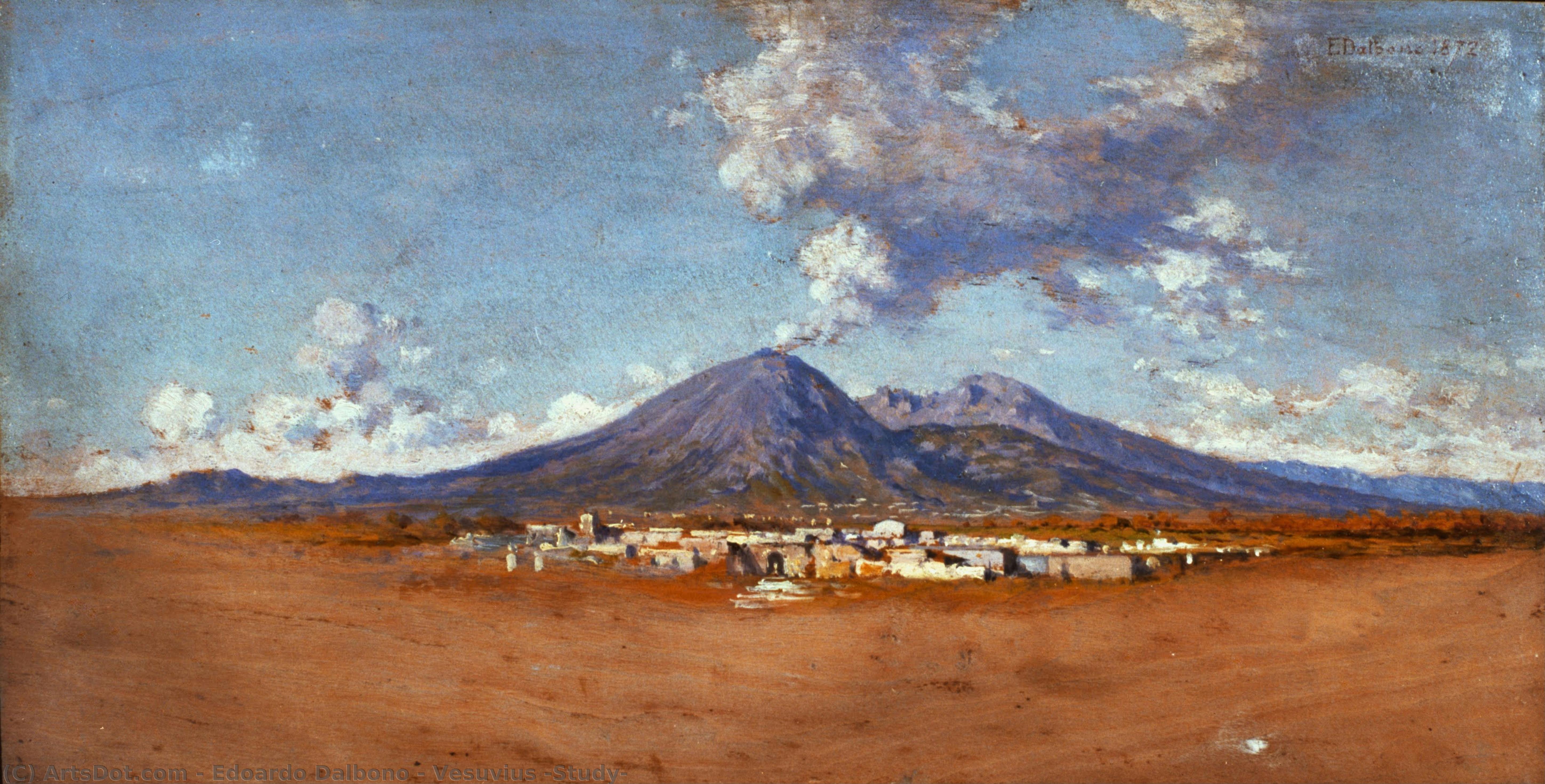
Vesuvius (Study)

Discover Edoardo Dalbono, a renowned Italian painter of the 19th century, known for his luminous landscapes and evocative scenes of Naples. Explore his artistic legacy and influence in Italian art history.

Çevrimiçi önizlemeden çok daha üstün, yüksek çözünürlüklü ve iyileştirilmiş bir dijital görüntü satın alın.

Her dosya, uzman ekibimiz tarafından gelişmiş araçlar ve titiz manuel rötuş teknikleri kullanılarak özenle hazırlanır. Her görüntünün olağanüstü netliğe, kusursuz renk doğruluğuna ve ince ayrıntılara sahip olduğundan emin oluruz.

Son dosya; profesyonel, editoryal ve baskı süreçlerinde anında kullanıma uygun şekilde optimize edilerek 72 saat içinde e-posta yoluyla teslim edilir. Bu, seçkin tasarım stüdyoları, yayıncılar ve galerilerin güvendiği aynı kalite standartlarındadır.

Dijital Görsel

Kişisel sergileme, baskı ve yaratıcı projeleriniz için yüksek çözünürlüklü bir dosya indirin.

Toplam Tutar

$9.99

Her Dijital Görüntü Siparişinde Dahil Olanlar

Uzman Dijital Teslimat, Garantili

WahooArt.com seçtiğinizde, sadece bir görsel edinmekle kalmaz; titizlikle hazırlanmış, profesyonelce iyileştirilmiş dijital bir sanat eserine sahip olur ve memnuniyet garantisiyle güvence altına alınırsınız. Siparişinizle birlikte otomatik olarak sunulan her şey şunlardır:

shipping_icon
Hızlı E-posta ile Teslimat

Yüksek çözünürlüklü dijital görüntü dosyanız, siparişinizin üzerinden en geç 72 saat geçmeden e-posta ile size gönderilecektir; hemen kullanıma hazırdır.

canvas_icon
Yapay Zeka İle İyileştirilmiş Dijital Dosya

Sanat eseriniz; maksimum detay, netlik ve renk doğruluğu sağlamak amacıyla gelişmiş yapay zeka araçları ve manuel düzenleme kullanılarak profesyonelce optimize edilmektedir.

insurance_icon
Ömür Boyu Ücretsiz Yeniden Gönderim

Dosyanızı yanlışlıkla mı sildiniz yoksa kayıp mı oldu? Endişelenmeyin; dosyanızı dilediğiniz zaman size ücretsiz olarak tekrar göndereceğiz.

tax_icon
Hiçbir Zaman İthalat Ücreti Ödemeyin

Sanat eserinizin tadını gümrük vergisi, harç veya teslimat ücreti ödemeden anında çıkarın; dijital indirmeler her zaman vergiden muaftır.

color_icon
Renk Doğruluğu Garantisi

Profesyonel araçlar ve renk yönetimi kullanarak dijital görselinizin orijinal renklere mümkün olduğunca yakın yansıtılmasını sağlıyoruz.

return_icon
60 Günlük Memnuniyet Garantisi

If you're not satisfied with your digital image, we'll revise it or refund 100% within 60 days - no questions asked.

guarantee_icon
100% Para İadesi Garantisi

Memnun kalmadınız mı? Dijital dosyanızı aldıktan sonraki 60 gün içinde, hiçbir soru sorulmaksızın tam iade alın.

discount_icon
Toplu Sipariş İndirimleri

Buy 3 images, save 10% - Buy 5, save 15% - Buy 10+, save 20%. Great for creative projects, galleries, and agencies.

Koleksiyon Detayları

This work can be identified as one of the nine Studies shown at the Seconda Esposizione Nazionale di Belle Arti dell’Accademia di Brera, in Milan, in 1872. It depicts Vesuvius during an eruption, most probably the one of 26 April 1872. This striking natural event drew many artists to the slopes of the volcano and particularly painters from the Resina School: Marco De Gregorio, Giuseppe De Nittis and Federico Rossano. In conceiving the works exhibited in Milan, Dalbono – who came into contact with the Resina School in those same years through Nicola Palizzi, in whose studio he trained – was very likely inspired by that successful series of over sixty small panels executed by De Nittis, between 1871 and 1872, depicting Vesuvius in many different light conditions, adopting an a macchia (patchy) handling and vivid colours in unusual compositions (some of these works are in the Galleria d’Arte Moderna, Milan). These were the years in which De Nittis had to leave Paris because of the Franco-Prussian War and in Resina (today Herculaneum) he strengthened his bonds of friendship and artistic ties. Dalbono belonged to this circle so much so that, a few years later, he could count on De Nittis’s help to enter the Paris market. It is therefore likely that the two of them may have worked side by side on studies from life of Vesuvius on more than one occasion. This is a subject also present in other examples of coeval landscape painting by Dalbono, for instance On the Slopes of Vesuvius (Milan, Galleria d’Arte Moderna). Unlike De Nittis in his panels, Dalbono prefers a traditional perspective, marked by the line of the horizon separating the cone of the volcano from the landscape below, while he returns to applying the paint directly to the panel without priming. In the upper portion of the painting the dense cloud of smoke from the eruption is described with rapid yet precise brushstrokes that allow the support to be glimpsed at various points, and the image is dominated by the bright blue sky, while the lower portion of the panel is left completely bare. However, the work does not appear to be unfinished, since this device makes the impression truly convincing, and also suggests the desolate plain surrounding the volcano.

Sanatçı Özgeçmişi

Eduardo Dalbono: Luminosity and Naples

Edoardo Dalbono (10 December 1841 – 23 August 1915) was an Italian painter born in Naples, a city that profoundly shaped his artistic vision. His legacy resides primarily in the luminous landscapes he created—particularly those depicting the Bay of Naples and its surrounding hills—and in evocative scenes capturing the spirit of Neapolitan life during the late Romantic era.

Born into a family steeped in intellectual pursuits – his father was a writer and art critic, and his mother a poet – Dalbono’s formative years were marked by exposure to artistic discourse. He enrolled at the Royal Institute of Fine Arts in Naples in 1853 but quickly abandoned formal training for the mentorship of Nicola Palizzi, establishing himself within the influential Scuola di Resina movement.

This school championed a revolutionary approach to painting, prioritizing direct observation of nature and employing *macchie*—patches of color—to convey emotion and atmosphere. Dalbono embraced this method wholeheartedly, rejecting academic conventions in favor of capturing the immediacy of experience. His artistic journey was fueled by an unwavering fascination with the natural world, particularly the dramatic vistas of Mount Vesuvius.

Dalbono’s prolific output included numerous landscapes, portraits, and genre scenes that offer a glimpse into the social fabric of Naples during his time. He gained recognition for his skill in portraying light and color—characteristics that define his distinctive style. His works are celebrated for their sensitivity to detail and their ability to evoke profound emotional responses.

Among Dalbono’s notable achievements were awards at prestigious exhibitions, including the silver medal at the Mostra di Belle Arti in Naples in 1859 and the bronze medal at the Vienna International Exhibition of 1873. He also established himself as a respected teacher at the Naples Academy, nurturing the talents of future artists like Carlo Brancaccio.

His artistic explorations extended beyond Neapolitan landscapes; he spent considerable time in Paris during the 1870s and 1880s, collaborating with fellow artist Giuseppe De Nittis and gaining access to the vibrant Parisian art scene. This period solidified his commitment to capturing the beauty of nature and experimenting with innovative techniques.

Dalbono’s artistic influence can be discerned in the works of subsequent generations of Italian painters who adopted his luminous palette and expressive brushwork. He remains a pivotal figure in Neapolitan art history, embodying the spirit of Romantic idealism and demonstrating the transformative power of observation.

Kısa Bilgiler

  • Artistic Movement Or Style: Scuola di Resina
  • Artists Or Movements Influenced By This Artist: ['Tuscany']
  • Artists Who Influenced This Artist: ['Nicola Palizzi']
  • Date Of Death: August 23, 1915
  • Full Name: Eduardo Dalbono
  • Nationality: Italian
  • Notable Artworks:
    • La leggenda delle Sirene
    • Adelina and Eleonora
    • Vesuvius (Study)
  • Place Of Birth: Naples